Cylinder Beach At Point Lookout: Swimming, Surf And Tour Stops
Cylinder Beach is the swimming beach most day tours build into their Point Lookout stop. Here is what is verified about patrols, currents, stingers and the trips that call in.
Short answer
Cylinder Beach at Point Lookout on North Stradbroke Island is patrolled on weekends and public holidays from September to early May, with school-holiday lifeguards at some beaches. Rips and side currents are possible, so swim between the flags. It is a named stop on the Small Group Eco Tour (from A$199 per person) and the Hit The Road Wildlife Day Trip (from A$149 per person).
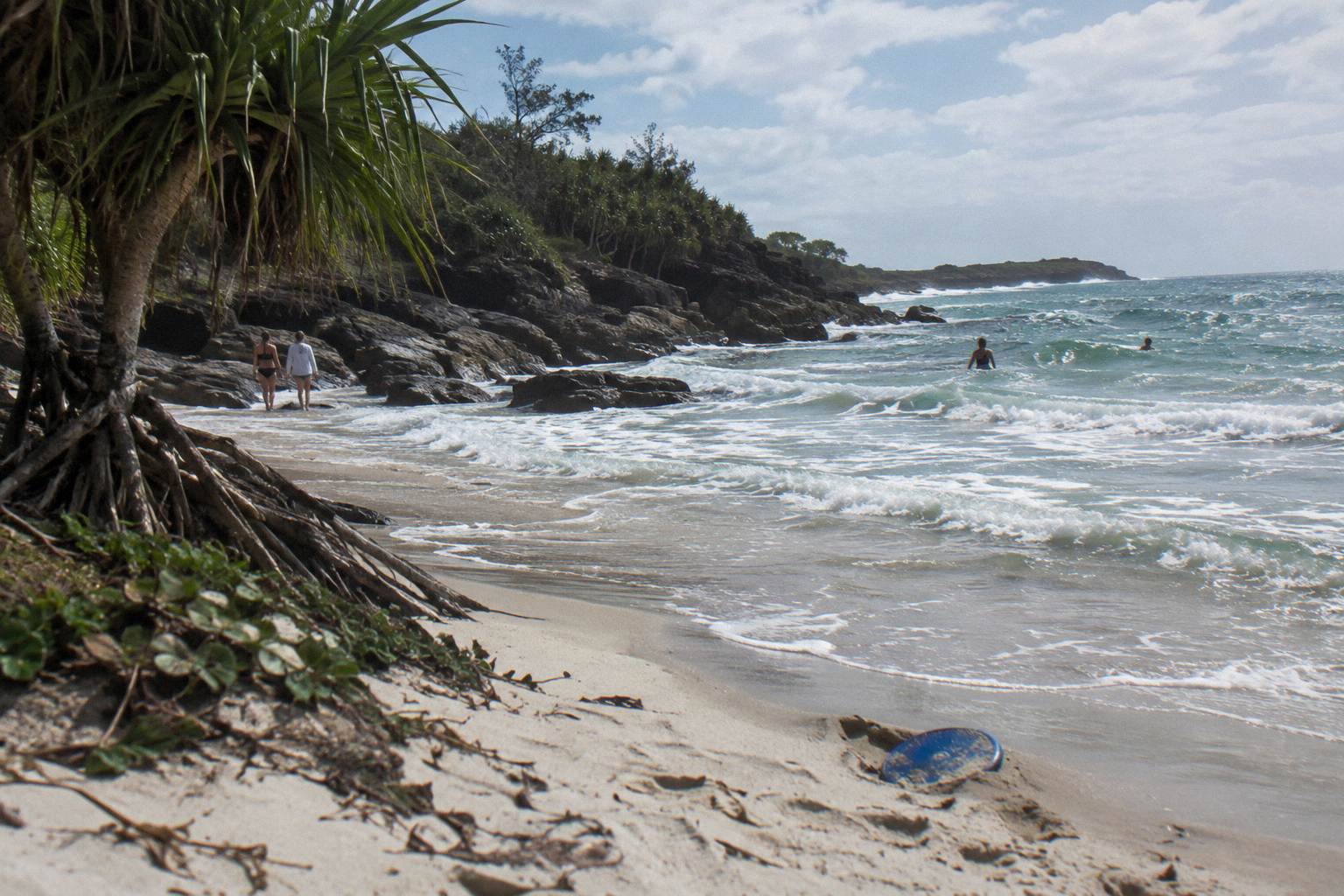
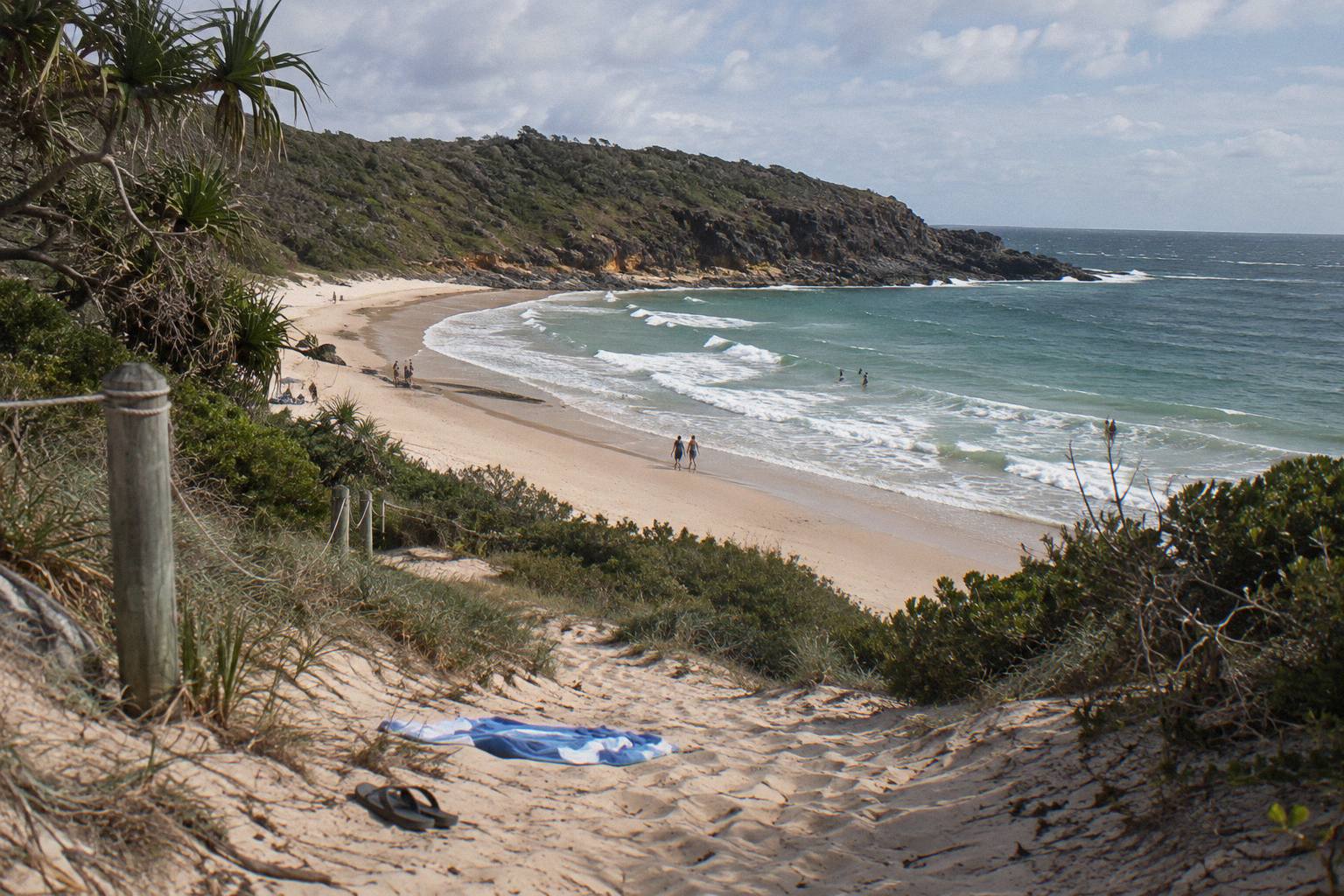
Cylinder Beach sits below the headlands at Point Lookout, on the ocean side of North Stradbroke Island (Minjerribah), about 40 km south-east of Brisbane. Queensland Parks calls the patrolled area at Point Lookout the most popular swimming beach on the island, and Cylinder Beach is regularly patrolled alongside Main Beach. It is also the one beach at Point Lookout that appears by name on the booking pages of two of the island's day tours: the Small Group Eco Tour, All Inclusive, run by Queensland Day Tours, and the Hit The Road Wildlife Day Trip, run by HIT THE ROAD TOURS. What follows covers the beach itself, the patrol pattern, swimming safety, the tours that stop here, and how to reach it under your own steam.
Where Is Cylinder Beach And Why Do Tours Stop Here?
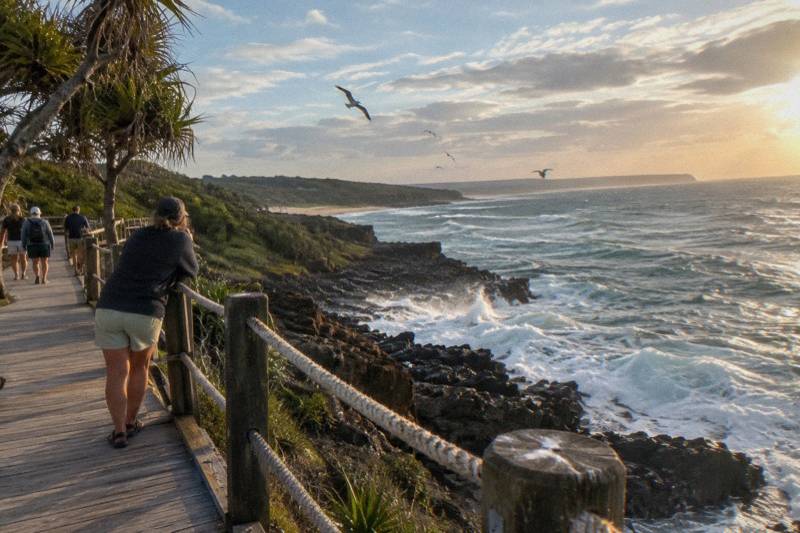
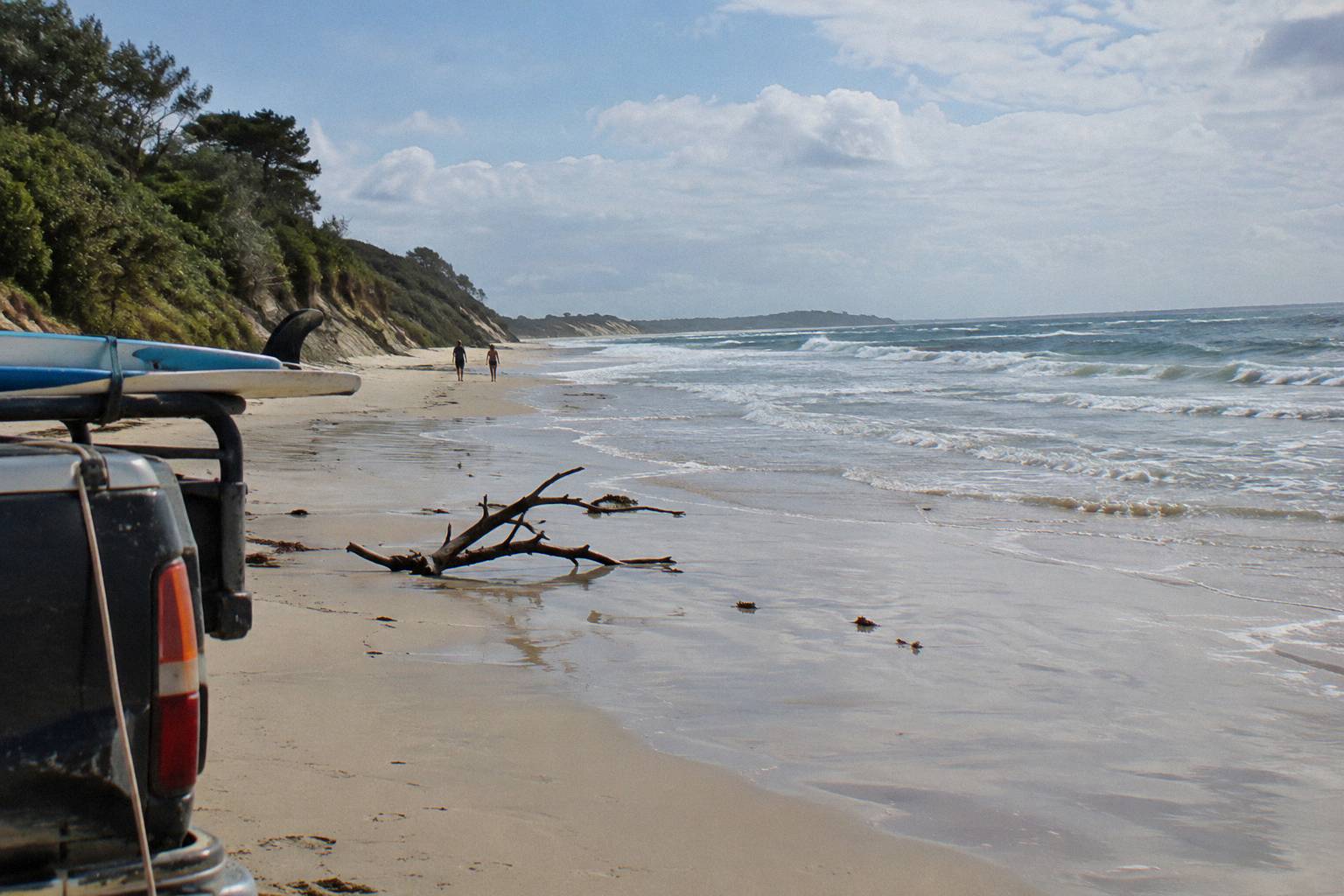
Cylinder Beach sits on the eastern, ocean-facing side of Point Lookout, the island's main headland township, directly below the rocky headlands that carry the North Gorge Walk. It is within the patrolled area Queensland Parks describes as the most popular swimming beach on the island, which is the main reason day tours build a stop here: it combines reliable beach time with wildlife viewing from the headlands above, all within walking distance of the township. The timing question is covered in how long the North Gorge Walk takes.
Point Lookout is the third of the island's three townships, roughly 20 to 25 minutes by road from Dunwich, where the ferries land, and about 15 minutes from Amity Point. Tours that come to Point Lookout arrive for the headland views, the marine life that passes close to the coastline, and a beach stop, and Cylinder Beach is where the beach leg happens on the trips that name it. The beach's position below the headlands matters for planning: a tour group can swim or wander the sand at the bottom while the headland track above is where Queensland Parks says turtles, dolphins and manta rays are named marine life and humpback whales pass close to the coastline from June to November on their annual migration. Readers curious about whether dolphins come close will find that covered separately.
The island as a whole is the second largest sand island in the world, according to Queensland Parks, and about 50 per cent of it is Naree Budjong Djara National Park, jointly managed by the Quandamooka people and the Queensland Parks and Wildlife Service since 2011. That national park backdrop is why several tours include the national park fees in their ticket price. If you are still deciding whether a day trip is realistic from the city, the guide to a one day Stradbroke Island trip from Brisbane covers the timing, and the piece on one day or overnight on Straddie weighs the trade-off.
Is Cylinder Beach Patrolled And Safe For Swimming?
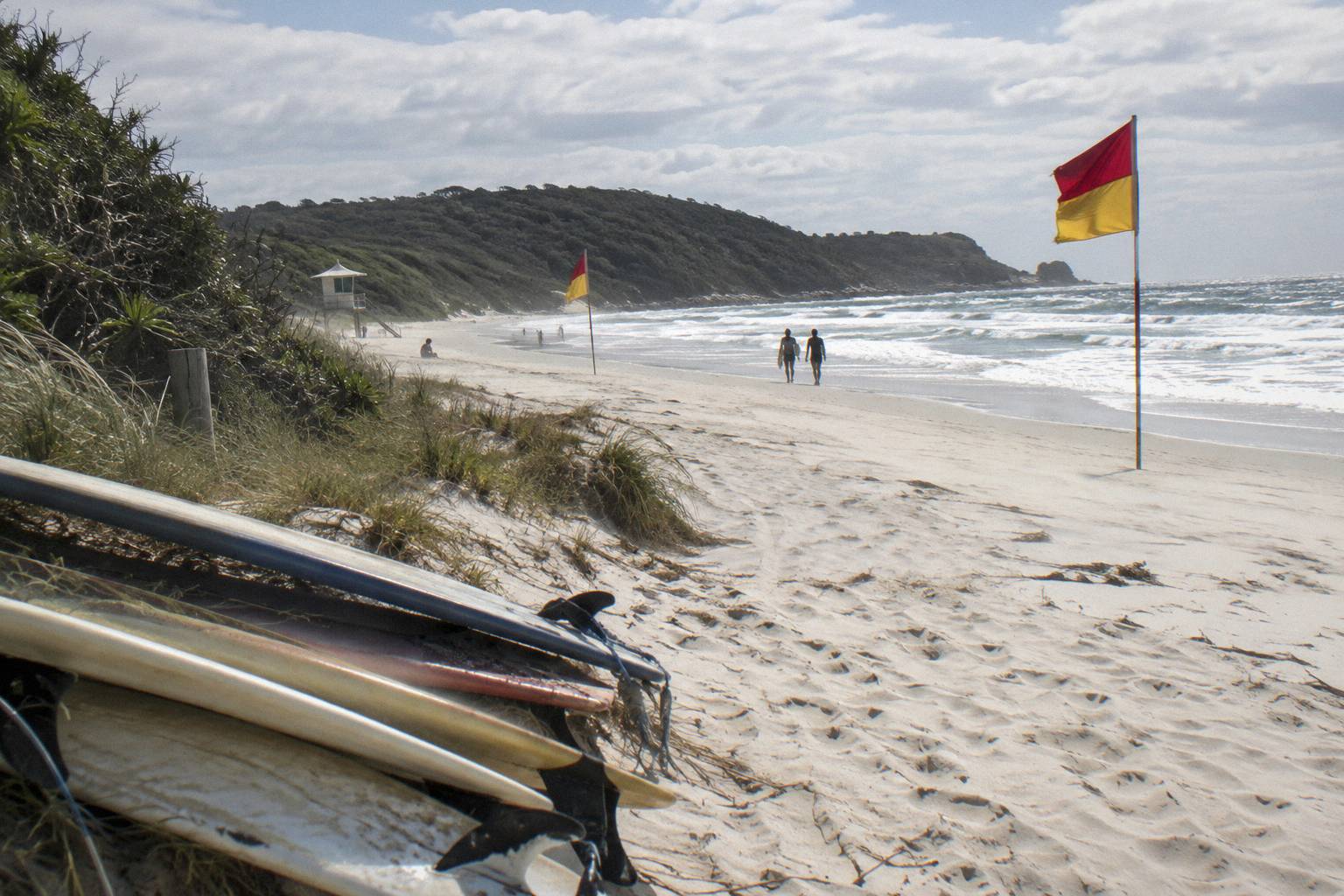
Yes, Cylinder Beach is regularly patrolled, but the patrol is not daily. Patrols run on weekends and public holidays from September to early May, with school-holiday lifeguards at some beaches. Rips and side currents are possible, so the standing advice is to swim between the flags and follow lifeguard advice. Bluebottles and fire jellies occur in Moreton Bay waters, so never assume the water is sting-free and ask a lifeguard if stingers are about.
That patrol pattern, published by Surf Life Saving Queensland and repeated by the island's official sources, shapes when a swimming visit is sensible. A weekday in June sits outside the patrol season entirely; a Saturday in January sits inside it. Families with young swimmers should plan around flagged weekends and public holidays, and anyone swimming outside those windows takes on an unpatrolled beach with known rip and side-current risk.
| Question at Cylinder Beach | The verified answer |
|---|---|
| Is it patrolled? | Yes, regularly patrolled |
| When do patrols run? | Weekends and public holidays, September to early May |
| School holidays | Lifeguards at some beaches |
| Currents | Rips and side currents are possible |
| Stingers | Bluebottles and fire jellies occur in Moreton Bay waters |
| Standing advice | Swim between the flags and follow lifeguard advice |
The wider swimming picture on the island is worth knowing if your tour also stops elsewhere. Dunwich and Amity Point have enclosed swimming areas, which suit nervous swimmers and small children. Do not swim in the deep channel off Amity Point: strong currents and possible sharks are the stated reason. Patrol details for Frenchmans Beach and Home Beach are not published, so check this before you go, and treat any surf or facility claim beyond the facts above with the same caution. If swimming is the whole point of your visit, the article on whether you can swim on a Straddie day tour works through the options stop by stop. For a quieter stretch of sand, the quieter Frenchmans Beach is the alternative.
Each has a different shape, and the section below lays out how they differ at the beach itself.
Which Day Tours Stop At Cylinder Beach?
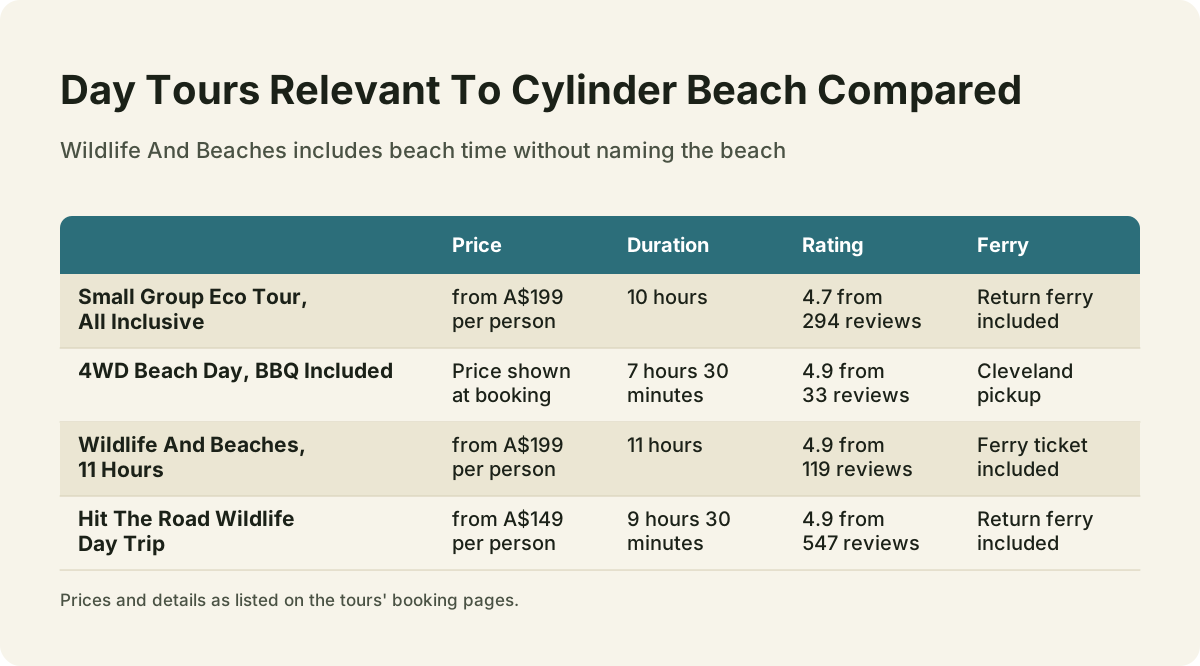
The two that name the beach as a stop, the Small Group Eco Tour and the Hit The Road Wildlife Day Trip, use it differently. The Small Group Eco Tour is a 10-hour small-group day from Brisbane that includes Cylinder Beach and Frenchmans Beach among its stops, along with a lake stop with free time on the shore, Myora Springs, a guided North Gorge Walk hike to Point Lookout, and the fishing village of Amity, with national park fees and the return ferry included. It meets at Brisbane Skytower by CLLIX, 222 Margaret St, and the booking page lists hotel pickup and drop-off as not included. It is not suitable for people with mobility impairments. The full index of guides sits on North Stradbroke Island Tours.
The 4WD Beach Day is a shorter, vehicle-based format: 7 hours 30 minutes, a group of up to 10, lunch and national park fees included, with koala spotting and whales listed June to November; its booking-page photos show Cylinder Beach, but its listed stops are elsewhere. Hotel pickup runs from the booking page's pickup points at about 7:30 am, or you can meet at the SeaLink water taxi terminal in Cleveland. Alcoholic drinks are available to purchase and souvenirs are not included, but lunch, coffee and tea are.
| Trip | Cylinder Beach on the booking page | Price | Duration | Ferry |
|---|---|---|---|---|
| Small Group Eco Tour, All Inclusive | Named stop, with Frenchmans Beach | from A$199 per person | 10 hours | Return ferry included |
| 4WD Beach Day, BBQ Included | Named stop | Price for your date on the booking page | 7 hours 30 minutes | Pickup options in Cleveland |
| Wildlife And Beaches, 11 Hours | Beach time and swimming stops | from A$199 per person | 11 hours | Ferry ticket included |
A third format is worth comparing even though it does not name the beach. The Wildlife And Beaches day trip, run by Stradbroke Island Tours over 11 hours, includes beach time and swimming stops, beach games, koalas and kangaroos with the guide, and Point Lookout, at from A$199 per person with a 4.9 rating from 119 reviews. Its meeting points include Pullman Brisbane King George Square, the SeaLink Departure Lounge Cafe in Cleveland and Novotel Surfers Paradise, which makes it the natural choice from the Gold Coast. Lunch is not included on any of these three days, so plan for a picnic or takeaway.
The most-reviewed trip on the booking pages takes a different approach again. The Hit The Road Wildlife Day Trip, run by HIT THE ROAD TOURS, is from A$149 per person, rated 4.9 from 547 reviews, over 9 hours 30 minutes, with a group of up to 11 and the return ferry included. It meets outside Adina Apartment Hotel Anzac Square, Brisbane at 7:45 AM, and the booking page warns there are two Adina hotels in Brisbane, so check the address carefully. The trip is built around wildlife, water is included, and the guide recommends takeaway lunch options for a beachfront picnic or bringing your own; no stop list is verified, so treat its beach time as flexible rather than a promised Cylinder Beach stop.
Between that wildlife focus and the eco tour's named-stop structure, most visitors who specifically want to stand on Cylinder Beach choose the eco tour or the Hit The Road trip. The 4WD format adds vehicle access, an included lunch and a 10-person cap, while the eco tour adds the North Gorge Walk, two named beaches and the lake stop in a 10-hour loop from the city.
One practical point separates the two tours that list Cylinder Beach on the water crossing. The eco tour includes the return ferry in its price, and so does the Hit The Road trip, so if you are staying in Brisbane without a car either one removes the transfer question entirely. The Hit The Road trip's 7:45 AM start and 9 hours 30 minutes also make it the easier fit if you would rather not commit to a full 10 hours on the island.
A few logistics help whichever day you pick. All three of the Cylinder Beach-relevant trips allow free cancellation up to 24 hours before the start, which matters on Minjerribah, where weather can shift the ferry schedule and the surf conditions at Cylinder Beach itself. The 4WD day lists whales June to November, so travelers in those months get a possible bonus from the vehicle format, and the Wildlife And Beaches trip's Novotel Surfers Paradise meeting point keeps the Gold Coast option open without a Brisbane hotel stay. Only the eco tour names two beaches outright, so if standing on both Cylinder Beach and Frenchmans Beach in one day is the goal, that 10-hour loop from Brisbane Skytower is the one that guarantees it on paper.
What About Wildlife And Whales From Cylinder Beach?
Humpback whales pass close to the coastline of North Stradbroke Island from June to November on their annual migration, and the headlands at Point Lookout and the North Gorge Walk are the land vantage points, with Cylinder Beach below. Humpback whales, manta rays and turtles are regularly seen from headlands, according to Queensland Parks, but no sighting is ever guaranteed. No whale-watching cruise, boat or kayak trip exists among the day trips here.
That last point surprises people. Whale watching here means standing on a headland with binoculars, or being on a day tour whose booking page mentions whales during a stop near the coast. Three of the trips above do exactly that: the 4WD Beach Day lists whales June to November, the Small Group Eco Tour lists whales among the marine animals to look for, and the broader wildlife guide explains the pattern in detail at Straddie wildlife: kangaroos, koalas, turtles and rays. The seasonal logic and the best vantage points are covered in the Straddie whale watching season guide.
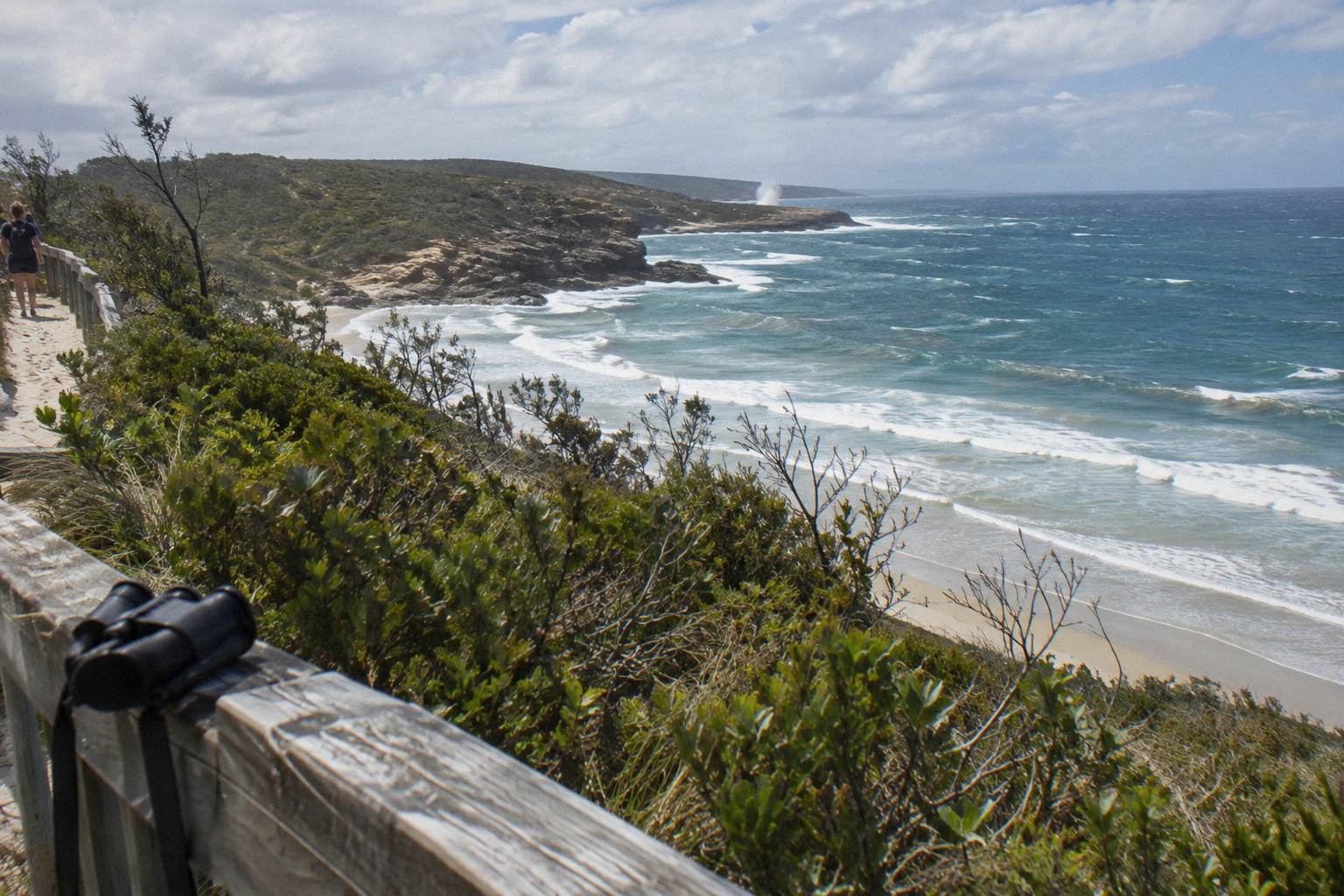
The koala and kangaroo side of the island is more dependable. Queensland Parks names a genetically distinct koala population and golden wallabies, a swamp wallaby form found on North and South Stradbroke only, among the island's wildlife. The 4WD Beach Day's booking page includes koala spotting, and the Wildlife And Beaches trip includes koalas and kangaroos with the guide. The realistic expectation, echoed on every booking page, is that sightings are possible and never certain; if certainty matters to your planning, read whether you will definitely see wildlife on a Straddie tour.
Can You Combine Cylinder Beach With The North Gorge Walk?
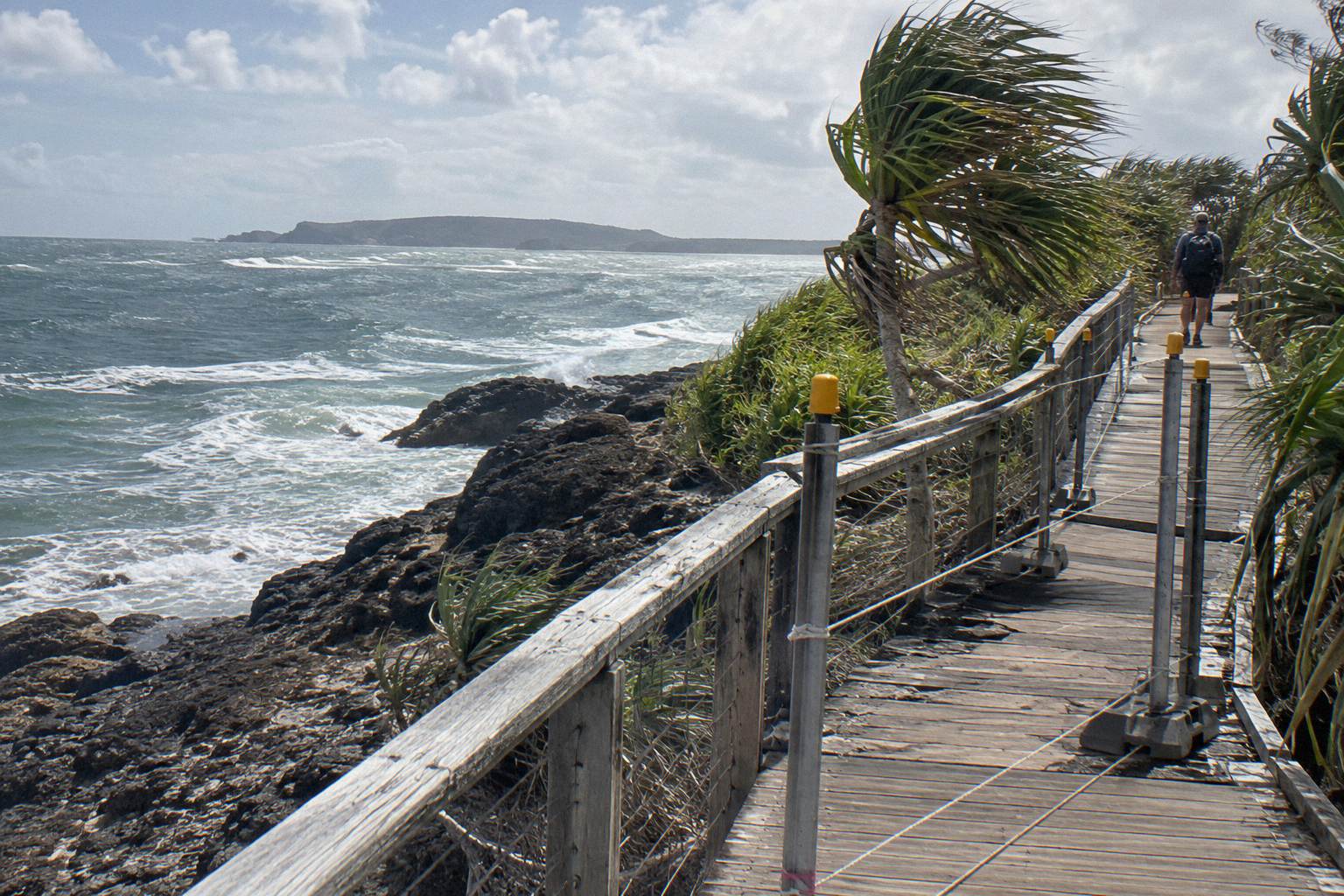
Yes, easily: the North Gorge Walk is a 1.2 km self-guided walk along the rocky headlands at Point Lookout, directly above the Cylinder Beach area, and Queensland Parks calls it a gentle walk with ocean views. The walk is partly closed at present, so check the park alerts before you go. The Small Group Eco Tour includes a guided hike along the headlands as part of its Point Lookout stop.
Those are the walk facts available: 1.2 km, no published walking time, no grade and no one-way-or-return statement, so do not trust a source that invents them. What the walk adds to a beach stop is the headland angle on the same water: turtles, dolphins and manta rays are the marine life Queensland Parks names for the headlands, and the whale season from June to November brings humpbacks close to the coastline below. The dedicated North Gorge Walk guide covers the closure situation, and the blog answer to how long the North Gorge Walk takes addresses the timing question.
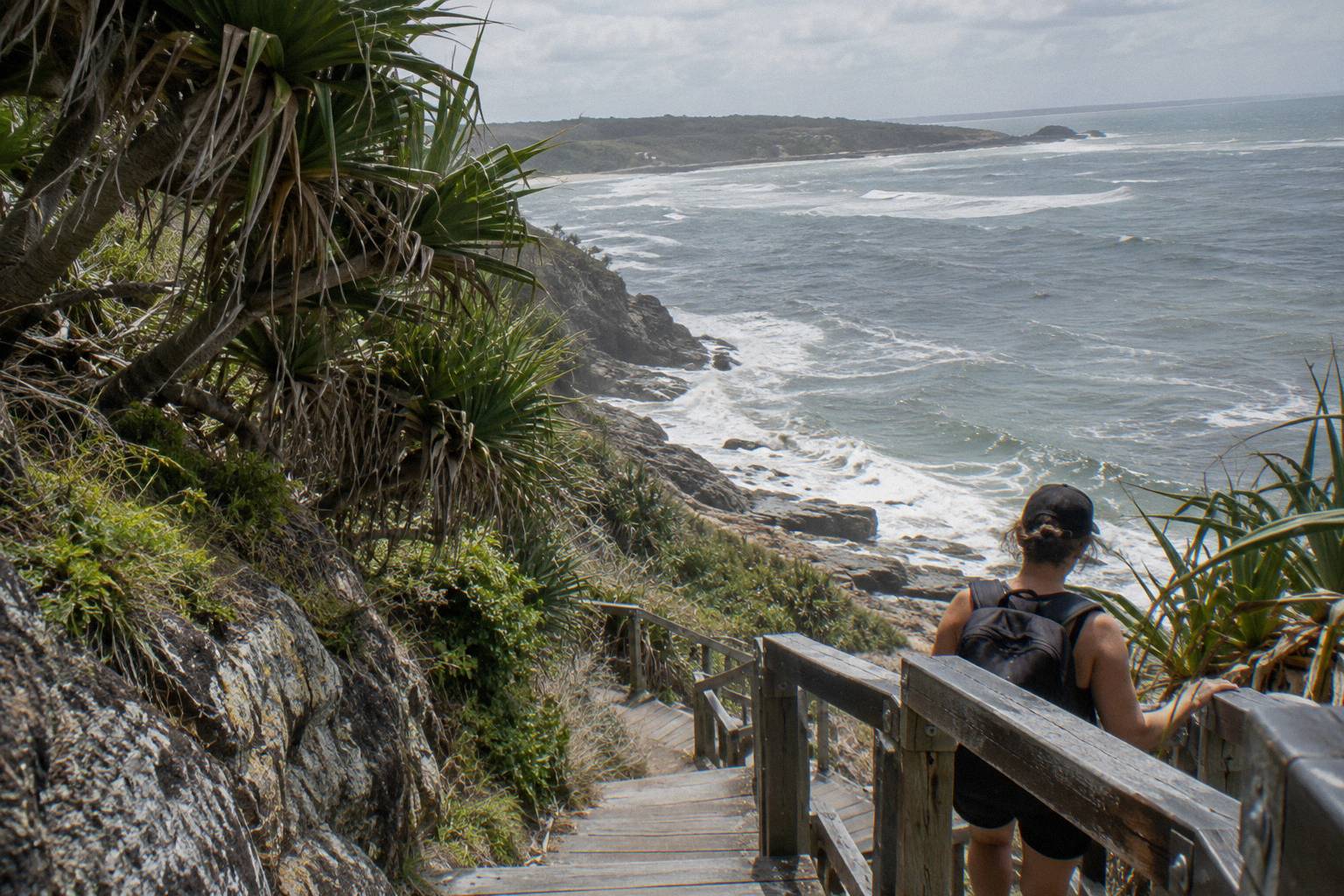
For independent visitors, the combination works as a single Point Lookout circuit: park or arrive by bus near the township, do the headland walk first while legs are fresh, then descend to the beach for a swim if patrols are running. If you are visiting without a car, the guide to North Stradbroke Island without a car explains the bus routes and timings that make this loop possible, and it pairs with the beach-by-beach overview in things to do on Straddie by tour.
What Is The Weather Like At Cylinder Beach?
Point Lookout's climate averages, from the Bureau of Meteorology's station at Point Lookout, show a mean maximum of 29.6 °C in January and 21.2 °C in July, with an annual mean maximum of 25.6 °C. Mean annual rainfall is 1,517.7 mm, with September the driest month at 53.7 mm and March the wettest at 179.6 mm. There is no single best month: the decision logic is which condition matters to you.
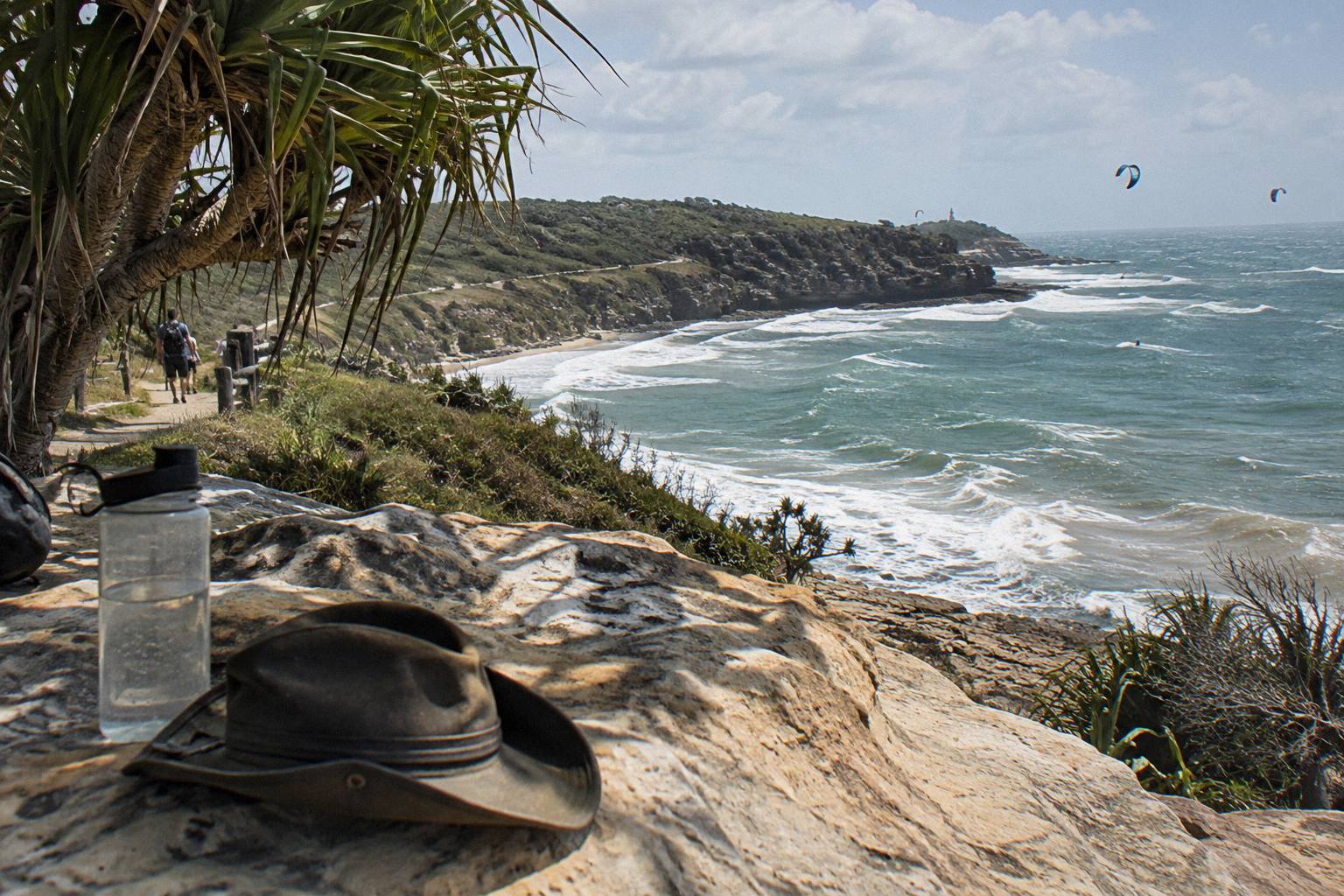
The practical read is that summer days are warm and wet-season-adjacent, winter days are mild, and the shoulder months are drier. September and August, at 53.7 mm and 68.9 mm of mean rainfall, sit at the dry end; March, at 179.6 mm, sits at the wet end. None of that is a forecast, and no month on this island is a guarantee of calm surf or clear water. What the climate does interact with is the patrol season: the September-to-early-May patrol window overlaps the drier months, which is why many families land there for a swimming visit.
The Bureau of Meteorology publishes the full averages table for the Point Lookout station, and Queensland Parks publishes the park conditions that matter on the day, including the North Gorge Walk closure and any track closures around the island's lakes. Weather can also affect tours, though the day trips here are largely land-based; most formats run in most conditions. For the timing question more broadly, the best time to visit North Stradbroke Island guide weighs whale season, patrols and rainfall against each other.
How Do You Get To Cylinder Beach Independently?
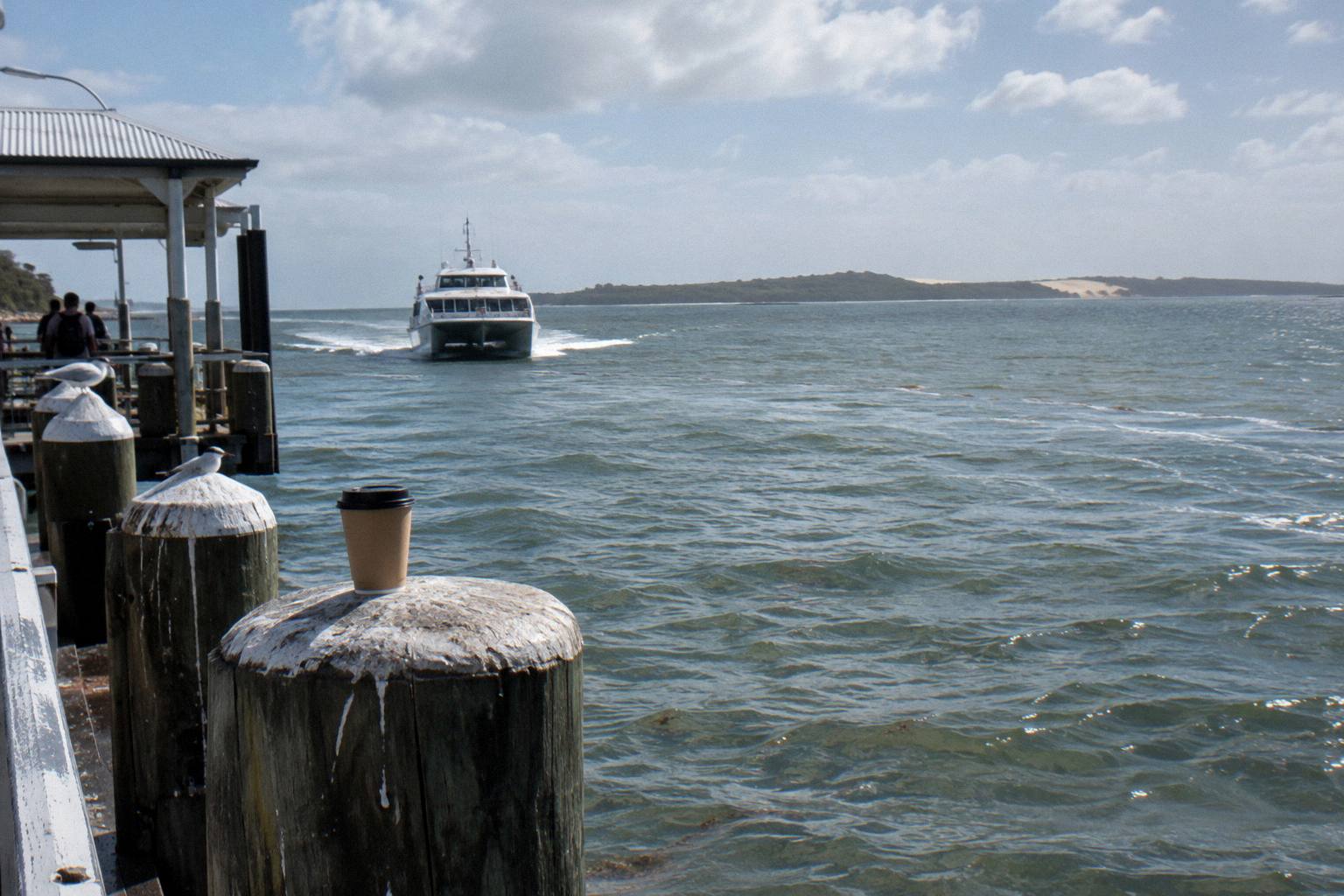
Independent visitors reach Point Lookout by passenger ferry from Cleveland to Dunwich, about 25 minutes across, then by island bus or taxi: routes 880 and 881 connect the townships, with drive times of 20 to 25 minutes from Dunwich to Point Lookout. Island buses take paper tickets only, at A$0.50 single, A$1.00 daily and A$5.00 weekly, and go cards are not accepted. Vehicle ferries must be booked in advance.
The bus detail catches people out. Bay Island Transit Systems operates routes 880 and 881 under Translink, both running seven days, with the 881 timetable guaranteed to connect with ferries from One Mile jetty. But the buses take paper tickets only, so buy before you board or carry cash for the exact fares. The passenger ferry itself changed too: SeaLink tickets are no longer sold onboard, they are bought online or at the terminal, and they stay valid for 365 days from purchase, with no booking needed for a specific departure. The vehicle ferry takes about 45 to 50 minutes and bookings are essential; arrive at least 30 minutes before sailing and follow the blue line to check-in.
| Step | What to know |
|---|---|
| Passenger ferry | Cleveland to Dunwich, about 25 minutes; tickets valid 365 days; not sold onboard |
| Vehicle ferry | About 45 to 50 minutes; bookings essential; arrive 30 minutes early |
| Island bus to Point Lookout | Routes 880 and 881, seven days; drive time 20 to 25 minutes from Dunwich |
| Bus fares | Paper tickets only: A$0.50 single, A$1.00 daily, A$5.00 weekly; no go cards |
| Parking near terminals | Public parking fills fast on weekends and holidays |
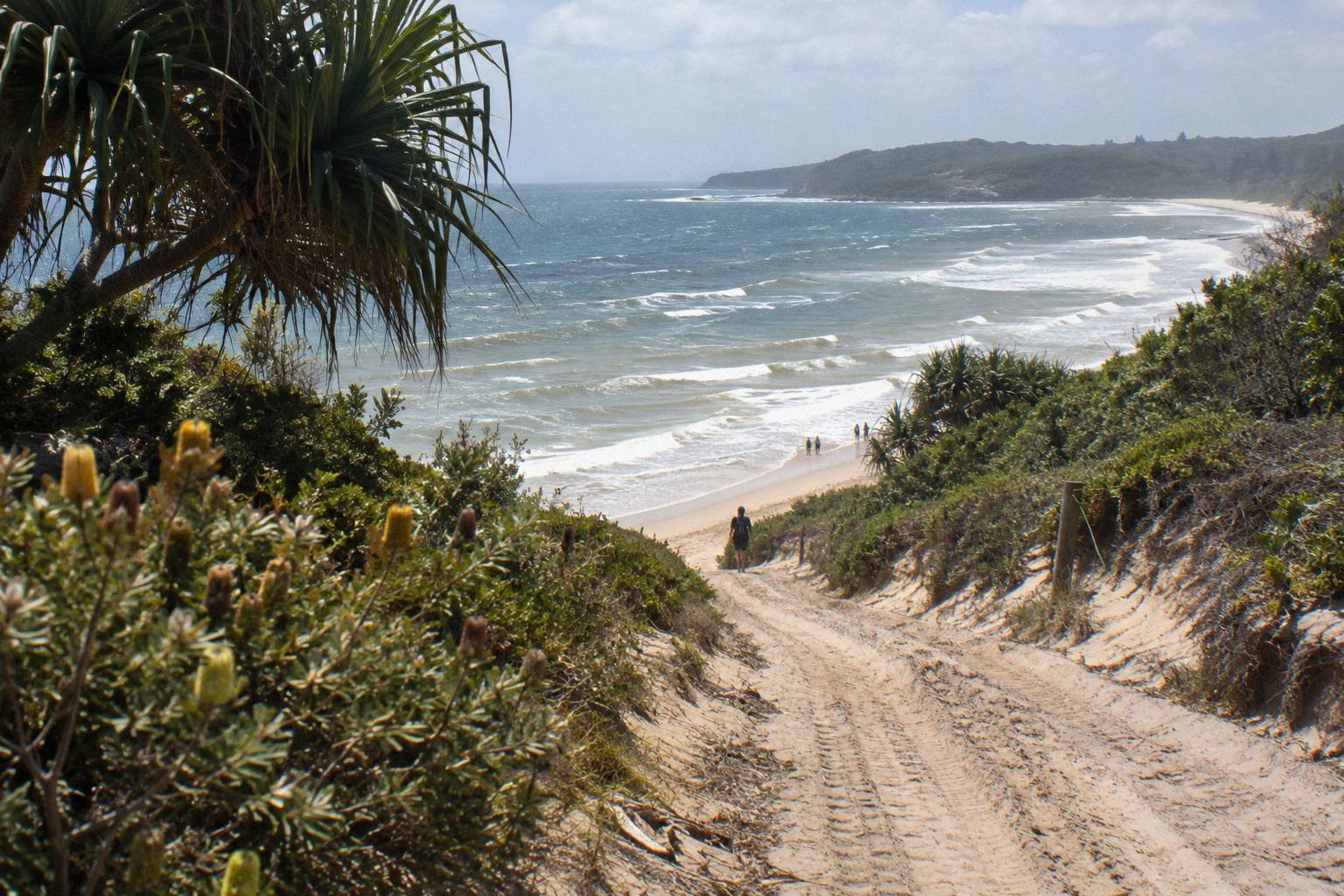
The ferry mechanics, the water taxi alternative and the parking situation are covered in full in the site's Straddie ferry guide and the water taxi to North Stradbroke Island page. If driving on from the ferry, note that beach driving needs a suitable 4WD and a vehicle access permit on Flinders Beach and Main Beach, but no permit is needed for the sealed roads between townships, including the road to Point Lookout; the 4WD beach permit guide explains the rules. Pets are not allowed on island public buses or in national parks, and the Queensland Parks page for the island covers the closures and conditions worth checking before any independent visit. Anyone weighing the drive itself can also read whether you can drive around North Stradbroke Island before committing to a rental car.
For many readers the comparison that actually decides the day is tour versus DIY, and that is argued out in is a Straddie tour worth it or go DIY. The short version: a day tour bundles the ferry, the driving and the wildlife spotting into one ticket from A$149 per person, while DIY trades that convenience for a ferry fare, a bus timetable and your own lunch plans. If that one-day question is still open, whether you can do Stradbroke Island in a day closes it out with real timings.
Common Questions About Cylinder Beach
Is Cylinder Beach Patrolled?
Yes, it is regularly patrolled. Patrols run on weekends and public holidays from September to early May, with school-holiday lifeguards at some beaches. Swim between the flags and follow lifeguard advice.
Can You Swim At Cylinder Beach?
Yes, and the patrolled area at Point Lookout is the most popular swimming beach on the island. Rips and side currents are possible, so swim between the flags, and remember bluebottles and fire jellies occur in Moreton Bay waters.
Which Tours Stop At Cylinder Beach?
The Small Group Eco Tour, All Inclusive (from A$199 per person) and the Hit The Road Wildlife Day Trip (from A$149 per person) both name Cylinder Beach on their booking pages. The Wildlife And Beaches day trip includes beach time and swimming stops without naming the beach.
Can You See Whales From Cylinder Beach?
Humpback whales pass close to the coastline from June to November, and the headlands at Point Lookout, including the North Gorge Walk above the beach, are the land vantage points. Sightings are possible and never guaranteed.
How Do I Get To Cylinder Beach Without A Car?
Take the passenger ferry from Cleveland to Dunwich, then island bus route 880 or 881 to Point Lookout. Buses take paper tickets only, and drive time from Dunwich to Point Lookout is 20 to 25 minutes.