Amity Point Dolphins And Koalas: Wildlife Stops On A Straddie Tour
Dolphins and koalas are the two animals most visitors hope for on a Straddie day trip. Here is what Queensland Parks actually says lives around the island, which tours say they look for what, and the swimming warnings that matter at Amity Point.
Short answer
Queensland Parks names dolphins among the island's marine life and a genetically distinct koala population among its land wildlife. No tour promises either, and none names a dolphin stop at Amity Point. The Small Group Eco Tour visits the fishing village of Amity, from A$199 per person, and koala spotting with the guide appears on two booking pages.
What Wildlife Actually Lives Around Amity Point And The Island?
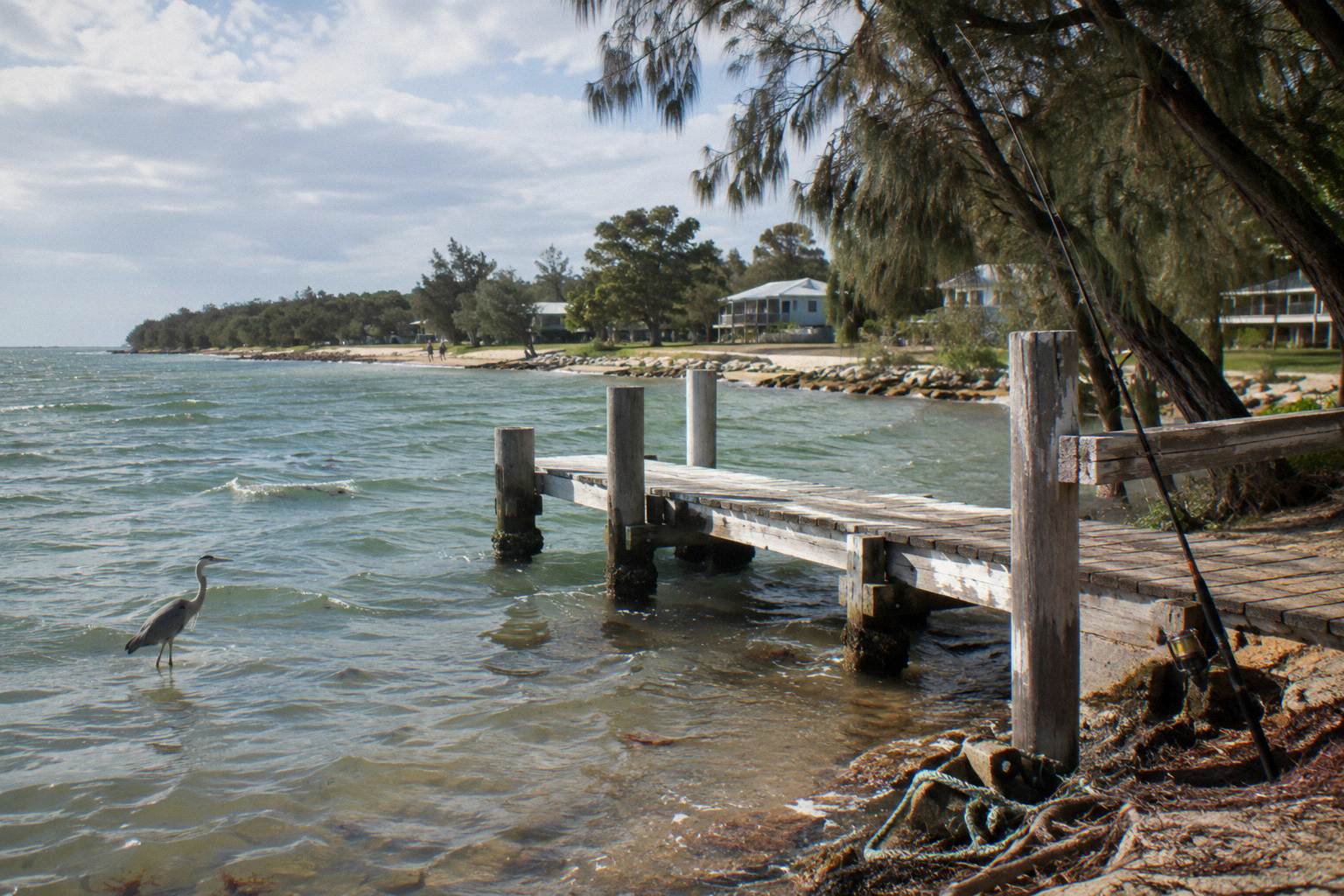
Queensland Parks names dolphins among the marine life of North Stradbroke Island (Minjerribah), alongside turtles, manta rays, dugong and grey nurse sharks in nearby waters, because Moreton Bay Marine Park surrounds the island. On land the park names a genetically distinct koala population and golden wallabies, a swamp wallaby form found on North and South Stradbroke only. Every sighting is possible on any given day and never certain.
The island sits about 40 km south-east of Brisbane on the eastern side of Moreton Bay, and roughly half of it is Naree Budjong Djara National Park, jointly managed by the Quandamooka people and Queensland Parks and Wildlife Service since 2011. That mix of protected headland, bay water and township trees is why the wildlife list is unusually long for a day-trip destination. The park's own pages describe humpback whales, manta rays and turtles as regularly seen from headlands, which is a statement about the water, not a promise to any visitor standing there on any given afternoon.
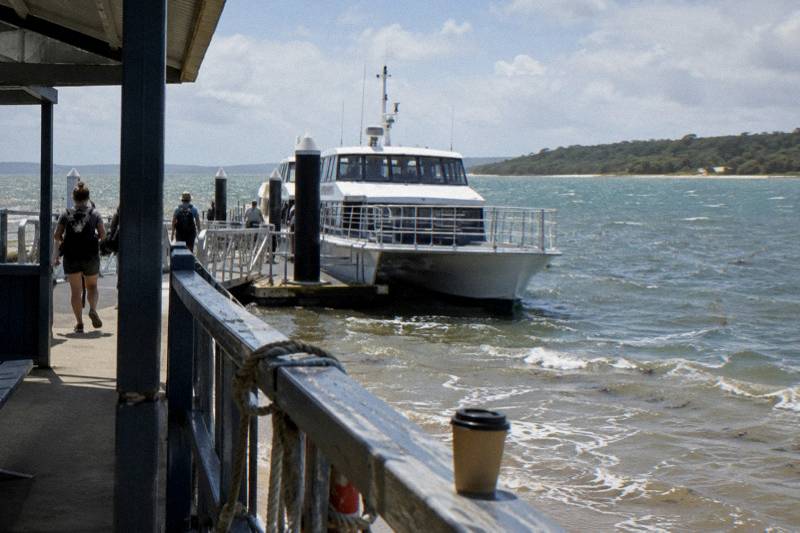
Amity Point, the small township on the island's north-western corner, sits where the bay narrows toward the mainland, and its enclosed swimming area is one of only two on the island named by Queensland Parks, the other being at Dunwich. The park's warning for Amity is specific: do not swim in the deep channel off Amity Point, because of strong currents and possible sharks. The enclosed area is the safe option, and the channel is the reason the warning exists.
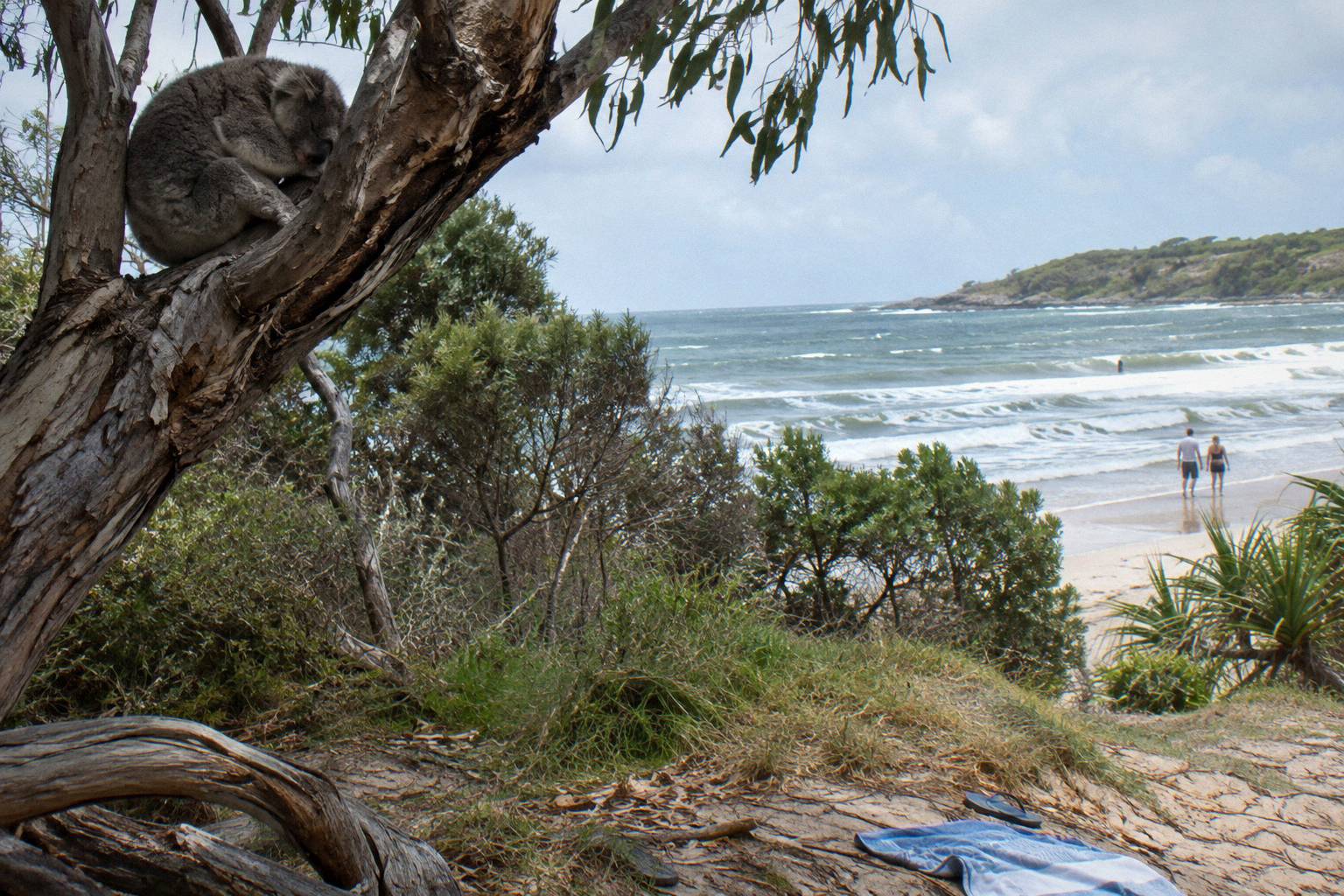
Koalas are the quieter half of the pairing. They are not a bay animal; they live in the trees across the island, including around the townships, and the koala population here is genetically distinct from mainland populations, which is why Queensland Parks singles it out. Tours that mention koalas on their booking pages frame them as something the guide helps you spot, not a scheduled exhibit. If you want the wider picture of Straddie wildlife from kangaroos to turtles and rays, the same never-guaranteed rule applies to every species on that list.
The scale of the island explains why a day trip only scratches it. Straddie is the second largest sand island in the world, roughly 38 km long and 11 km wide, with three townships: Dunwich (Goompi), Amity Point and Point Lookout. Sand mining on the island has ended, and the resident population sits at about 2,150 people, small enough that the townships sit inside the wildlife's territory rather than the other way around. Practical consequence: the animals are not concentrated in one spot for convenience, they are spread across the whole island, and a day covers only part of it.
Which Straddie Tours Actually Say They Look For Dolphins And Koalas?
Three booking pages list dolphins among the animals to look for: the Small Group Eco Tour, the Meanjin To Minjerribah First Nations Day Tour and the Indigenous Culture Day Tour. Two list koala spotting with the guide: the Wildlife And Beaches day trip and the Hit The Road Wildlife Day Trip. None of the ten trips listed here names a dolphin stop at Amity Point, and no source says dolphins reliably come close there.
That distinction is the single most useful thing to understand before booking. A tour that says look for dolphins is telling you the guide will point at the water when there is something to see. A tour with a verified stop list, like the Small Group Eco Tour's visit to the fishing village of Amity, is telling you the bus actually goes there. Those are different promises, and the comparison worth making between trips is on exactly that basis.
The table below is the full picture in one place: what Queensland Parks names as island wildlife, and which trip booking pages attach which animal to their day. Read it as a matrix of things to watch for, not a menu you can order from.
| Wildlife named by Queensland Parks | Trips whose booking pages say look for it |
|---|---|
| Dolphins (marine life of the island) | Small Group Eco Tour; Meanjin To Minjerribah First Nations Day Tour; Indigenous Culture Day Tour |
| Koalas (genetically distinct population) | Wildlife And Beaches day trip; Hit The Road Wildlife Day Trip (both as spotting with the guide); Small Group Eco Tour (see koalas and kangaroos) |
| Kangaroos | Wildlife And Beaches day trip; Hit The Road Wildlife Day Trip; Meanjin To Minjerribah First Nations Day Tour |
| Turtles and manta rays | Small Group Eco Tour |
| Humpback whales, June to November | Small Group Eco Tour; Indigenous Culture Day Tour |
The official source for that wildlife list is the Queensland Parks page for Naree Budjong Djara's culture and natural history, which is worth reading in full before any trip. One more framing rule from the same source: sightings are possible, never certain. Any tour description on any booking page that reads as a guarantee is a marketing sentence, not a park statement.
It is also worth noticing what is absent. There is no dolphin cruise, no dolphin swim and no wildlife sanctuary entry among the ten day trips, and no koala-holding experience of any kind, which is unlawful in Queensland anyway for koalas in the wild. What exists are day tours by road and ferry whose guides keep watch. If a headline anywhere promises a dolphin encounter at Amity Point, that headline is describing something none of the trips sells.
How Do The Three Wildlife-Focused Day Trips Compare?
The Hit The Road Wildlife Day Trip runs 9 hours 30 minutes from A$149 per person, rated 4.9 from 547 reviews, making it the cheapest and longest-reviewed choice. The Wildlife And Beaches trip runs 11 hours from A$199, rated 4.9 from 119 reviews, while the Small Group Eco Tour runs 10 hours from A$199, rated 4.7 from 294 reviews, and is the only one with a verified Amity stop.
Comparing formats beats comparing numbers here. The Hit The Road trip is the shortest of the three and the only one with a stated start time, 7:45 AM outside the Adina Apartment Hotel Anzac Square in Brisbane, and the booking page warns there are two Adina hotels in the city, so double-check the address. The Wildlife And Beaches day trip is the longest at 11 hours and pairs its wildlife watching with beach time, swimming stops and beach games. The Small Group Eco Tour sits between them at 10 hours and carries national park fees, which the other two do not mention.
Meeting points differ in ways that matter for planning. The Wildlife And Beaches trip lists meeting points including Pullman Brisbane King George Square, the SeaLink Departure Lounge Cafe in Cleveland and Novotel Surfers Paradise, which makes it the practical choice from the Gold Coast. The Small Group Eco Tour meets at Brisbane Skytower by CLLIX, 222 Margaret St, and its booking page lists hotel pickup and drop-off as not included. None of the three includes lunch, so plan for takeaway or bring your own.
| Trip | Duration | From price per person | Rating and reviews | Amity connection |
|---|---|---|---|---|
| Hit The Road Wildlife Day Trip | 9 hours 30 minutes | A$149 | 4.9 from 547 reviews | None verified |
| Wildlife And Beaches, 11 Hours | 11 hours | A$199 | 4.9 from 119 reviews | None verified; koalas and kangaroos with the guide |
| Small Group Eco Tour, All Inclusive | 10 hours | A$199 | 4.7 from 294 reviews | Verified stop at the fishing village of Amity |
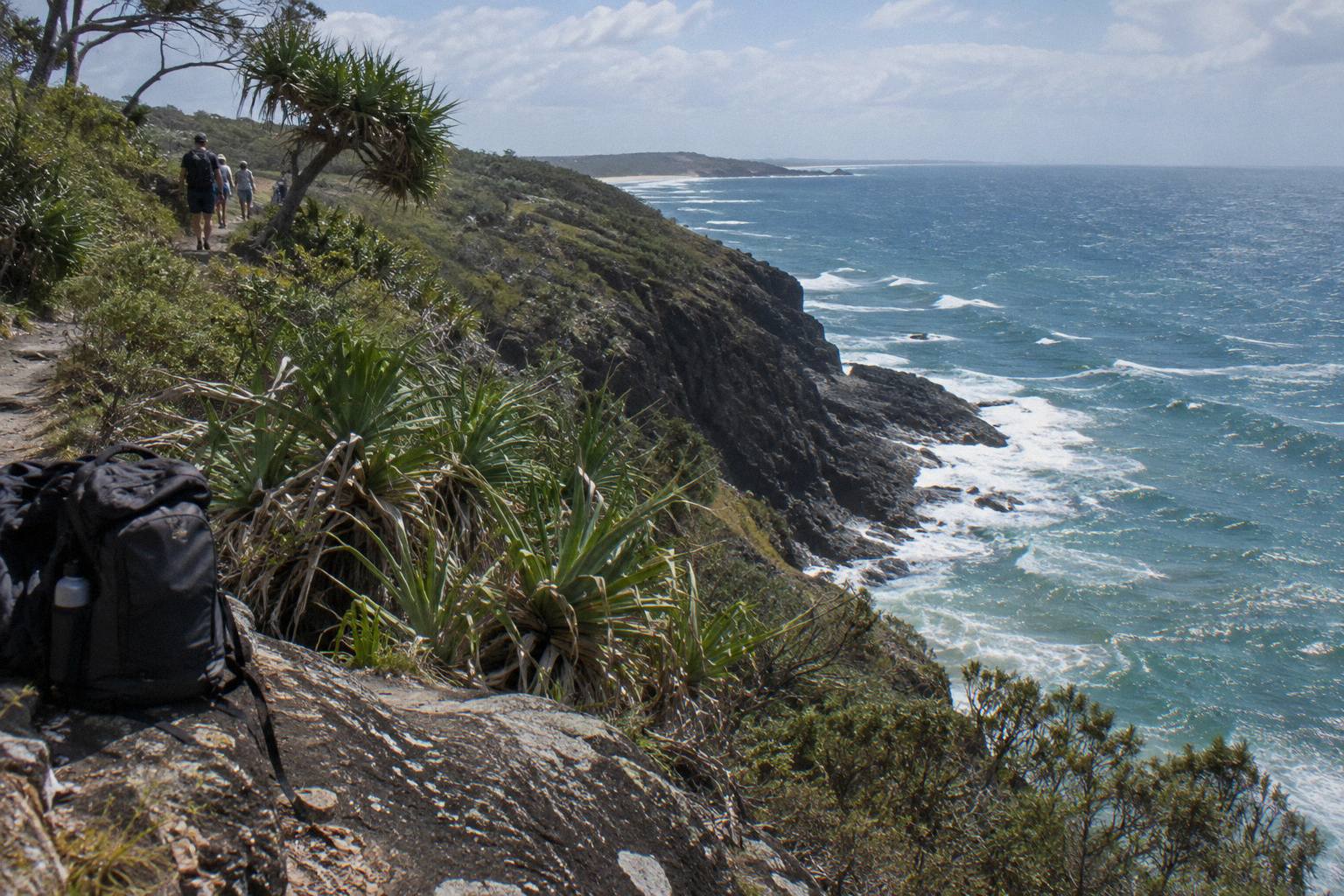
If Amity itself is the reason you are reading this, the Small Group Eco Tour is the one to examine first. Its stop list includes the fishing village of Amity alongside Myora Springs, a guided North Gorge Walk hike to Point Lookout, Cylinder Beach, Frenchmans Beach and a lake stop with free time on the shore, and its booking page names dolphins, turtles, manta rays and whales as animals to look for while seeing koalas and kangaroos. It is also not suitable for people with mobility impairments, per the same page. See the full trip details and live dates if that mix fits, or check availability for your date.
Group size and pace are the last variables. Both the Hit The Road trip and the Wildlife And Beaches trip cap their groups at 11, which keeps the guide's attention shareable when something is spotted. The Small Group Eco Tour caps its group at 12 travellers, and it carries live commentary on board and a local guide, which changes the day from transport into interpretation. The practical summary for a wildlife seeker: short and wildlife-tight is Hit The Road, long with beaches is Wildlife And Beaches, structured with Amity included is the Eco Tour.
Can You Swim At Amity Point While You Look For Dolphins?
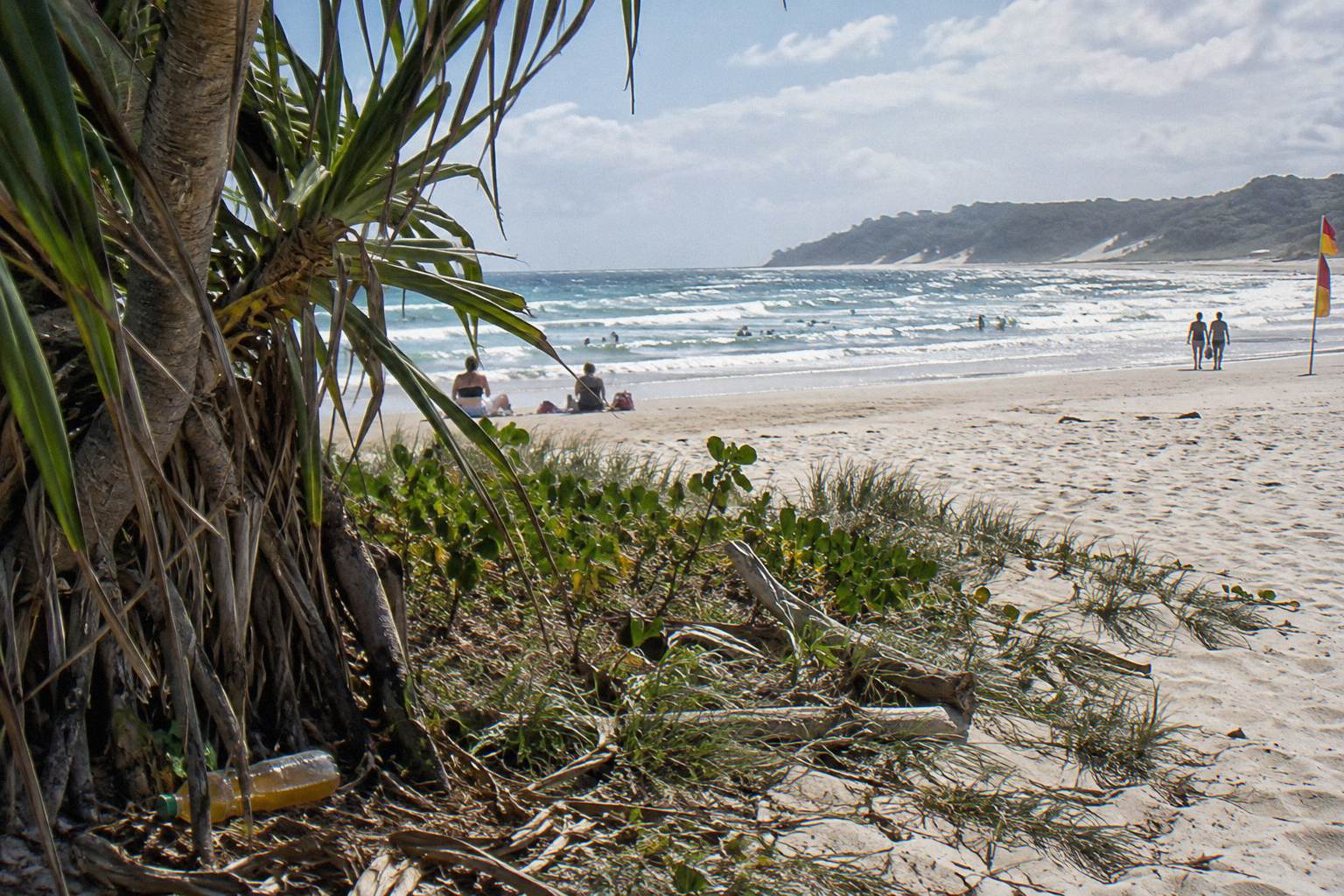
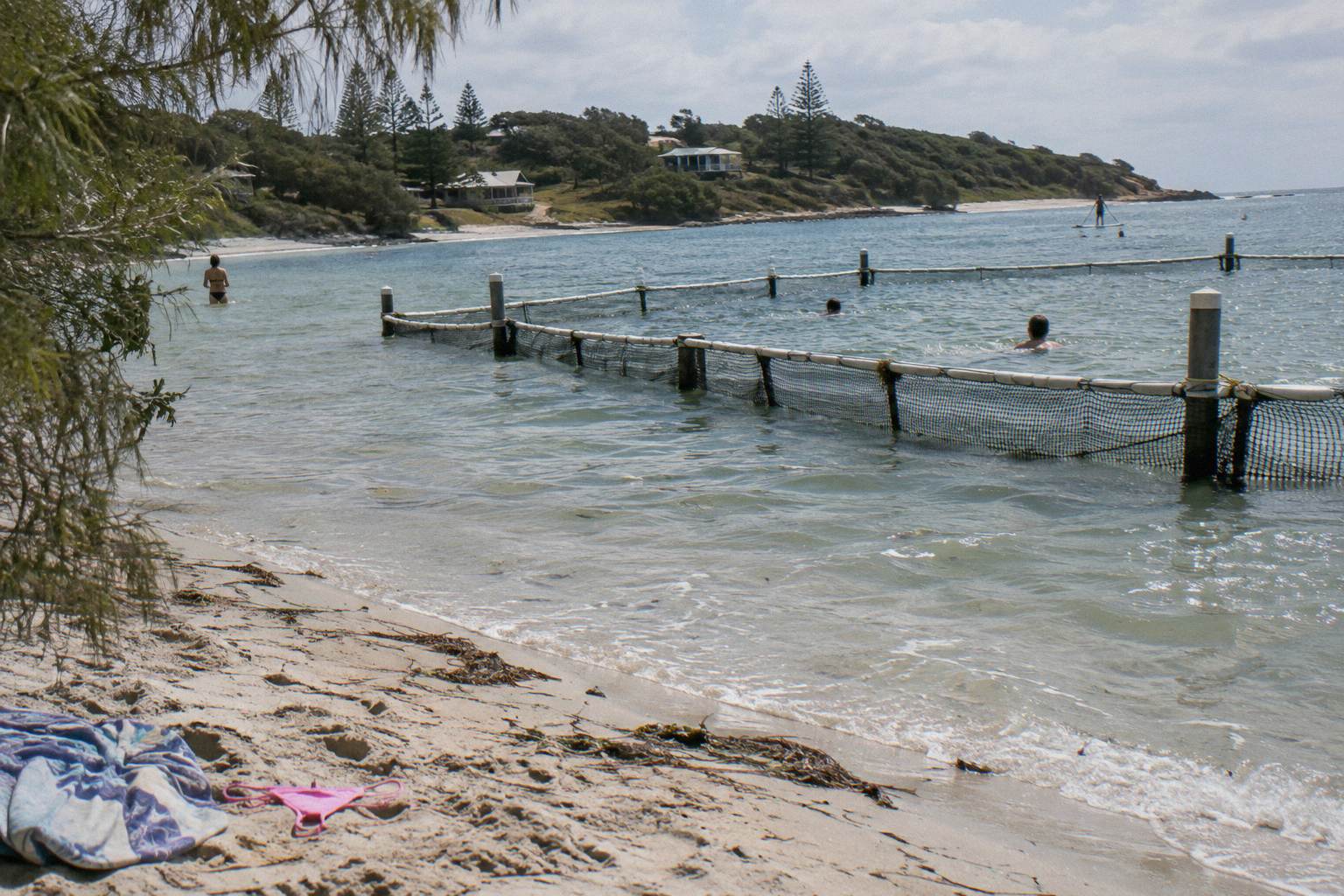
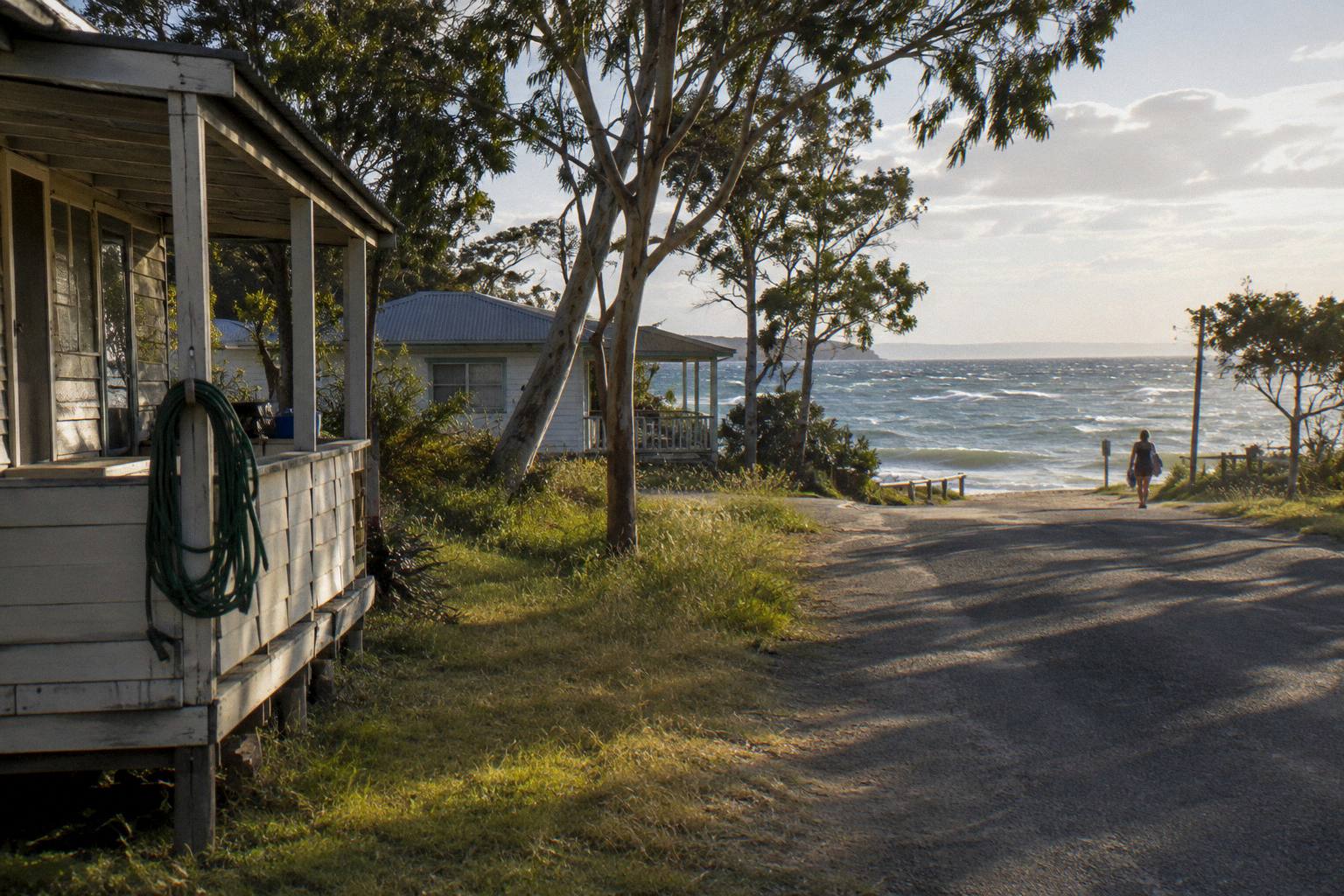
Amity Point has an enclosed swimming area, one of only two on the island named by Queensland Parks, and it is the only place you should enter the water there. The park's warning is explicit: do not swim in the deep channel off Amity Point, because of strong currents and possible sharks. Bluebottles and fire jellies occur in Moreton Bay waters, so swim between flags where they exist.
That warning deserves its own space because Amity looks calm. The bay side of the island can read as a lake compared with the ocean beaches at Point Lookout, and the enclosed netted area is genuinely sheltered, but the channel immediately offshore funnels strong currents between the island and the mainland, and sharks are a named possibility in exactly that spot. The safe version of an Amity swim is the enclosure, full stop. The parks guidance behind it is on the Naree Budjong Djara park page, which is also where to check alerts before any visit, including temporary track closures.
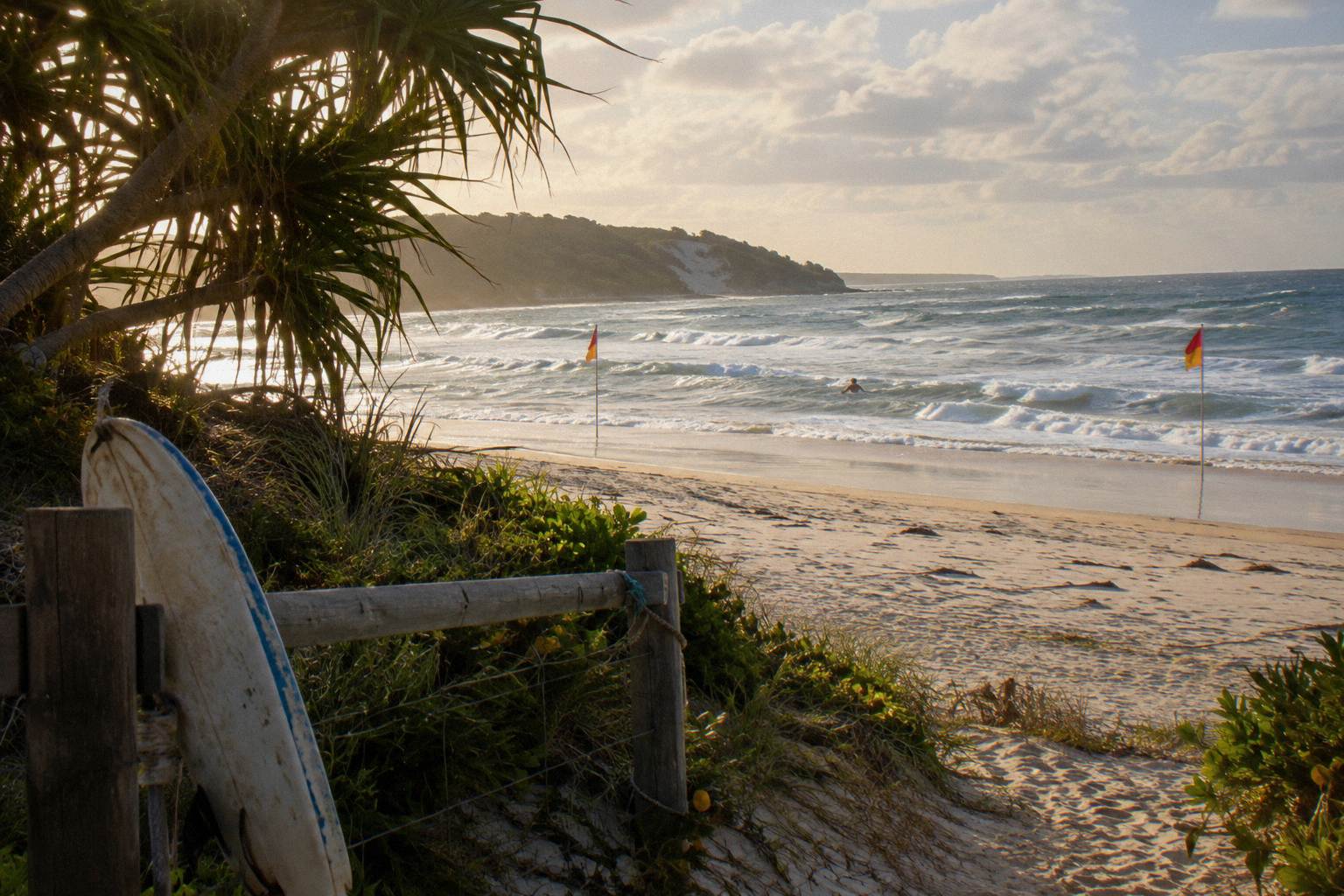
The ocean beaches are a different system. Cylinder Beach and Main Beach are regularly patrolled, and patrols run weekends and public holidays from September to early May, with school-holiday lifeguards at some beaches such as Adder Rock. Rips and side currents are possible at the patrolled areas, so the standard advice applies: swim between the flags and follow lifeguard advice. If you are weighing a swim stop on a tour day, the question of whether you can swim on a Straddie day tour comes down to which stops your trip actually makes.
Dolphins and swimming deserve one sentence each. Watching for dolphins from the shore at Amity is a matter of standing at the water's edge and scanning, with no guarantee and no feeding, touching or calling that could change that. Queensland Parks names dolphins as island marine life and nothing more. If your day is built around the water itself rather than the animals in it, the Cylinder Beach visitor guide covers the patrolled swimming setup at Point Lookout in detail.
Where Do Koalas Fit Into A Tour Day?
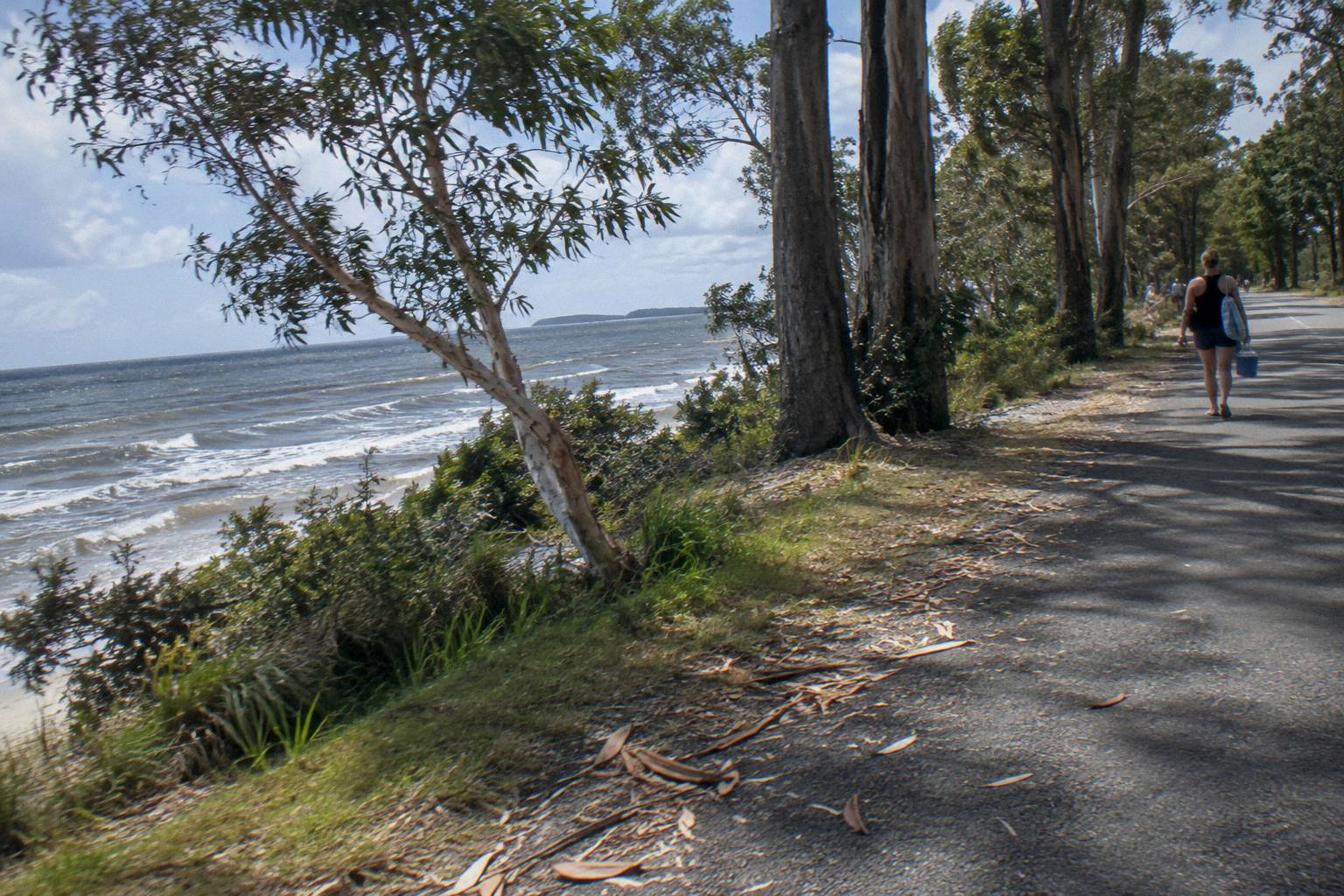
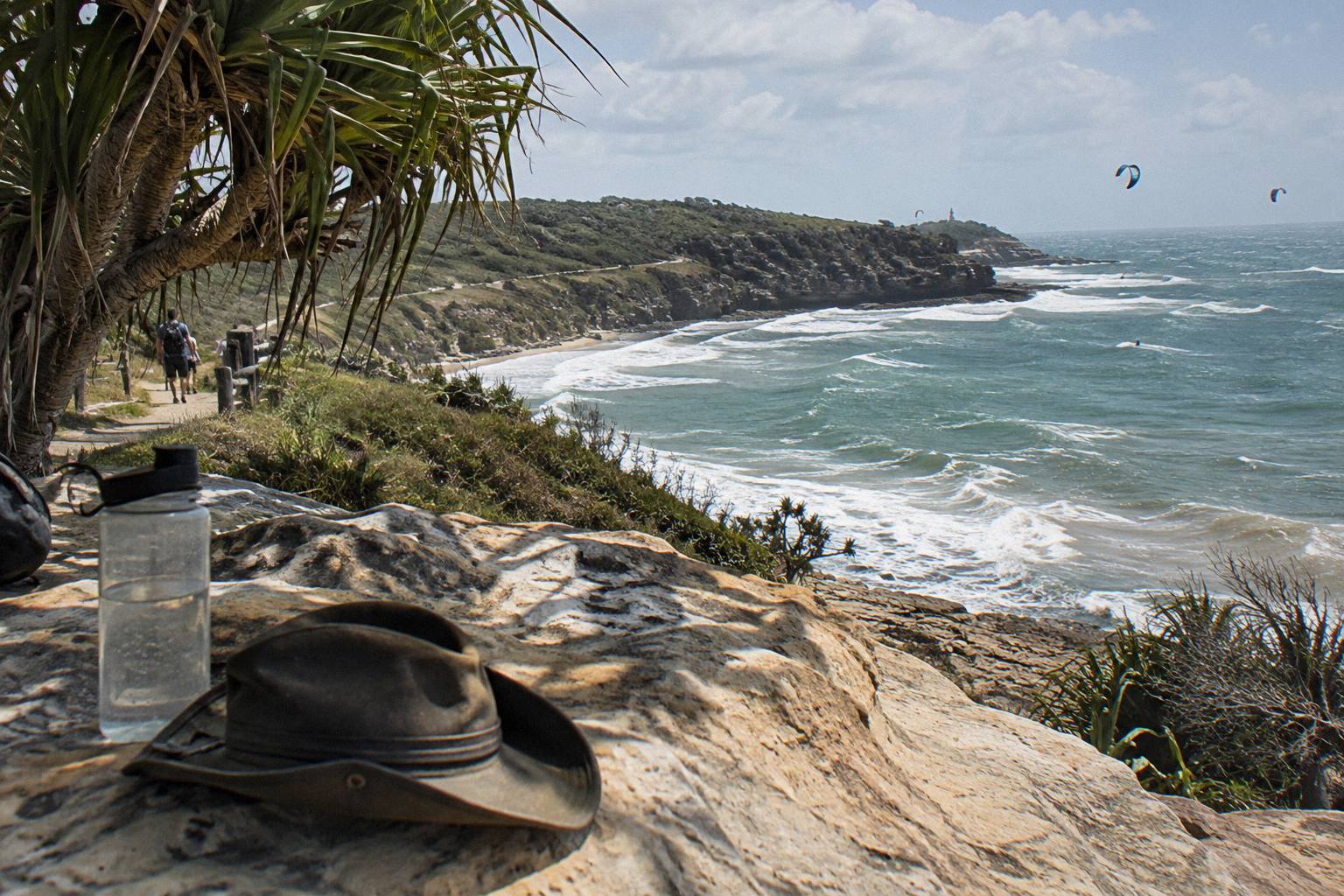
Koalas on Straddie live in the trees, including around the townships, and two booking pages, the Wildlife And Beaches day trip and the Hit The Road Wildlife Day Trip, list koala spotting with the guide. The Small Group Eco Tour's page also names seeing koalas and kangaroos. None of these is a sanctuary visit: the genetically distinct population the park describes is wild, so a day can pass without one.
That is the entire pitch. What a guide adds is eyes that know which gum species to scan and which roadside trees have produced sightings before, plus a vehicle that can stop safely, which a hire car rushing between townships often cannot. The Hit The Road trip is explicitly built around wildlife, per its booking page title, and its guide also handles the lunch question by recommending takeaway options for a beachfront picnic, with bottled water included and lunch not.
Time of day matters less than people hope and more than itineraries admit. Koalas sleep most of the day regardless, so the guide's knowledge of where one was yesterday is worth more than an early start. What the extra hours on the 11-hour Wildlife And Beaches trip buy is not more koala probability but beach time, swimming stops and beach games after the wildlife portion, which suits families more than photographers. If your day is really about the animals, the shorter 9 hours 30 minute format keeps the focus tight.
The related tour, the Hit The Road Wildlife Day Trip, is the one most directly answering the wildlife question: from A$149 per person, 4.9 from 547 reviews, group up to 11, return ferry included, water included, lunch not. It is the trip with the most reviews on the booking pages, which is a fact about the review pool, not a ranking. You can read the full trip rundown here or Check availability for your date.
Two park rules sit around koala country and are easy to break by accident. Dogs are not permitted in Naree Budjong Djara National Park and pets are not allowed on island public buses, so a wildlife day is a leave-the-dog day. And drones may need a permit from the Queensland Government to fly on a park, with CASA rules applying on top, so a camera drone is not a shortcut to a koala photo. Stay on tracks and take rubbish out, per the park's own guidance.
Is Amity Point Better Visited On A Tour Or By Yourself?
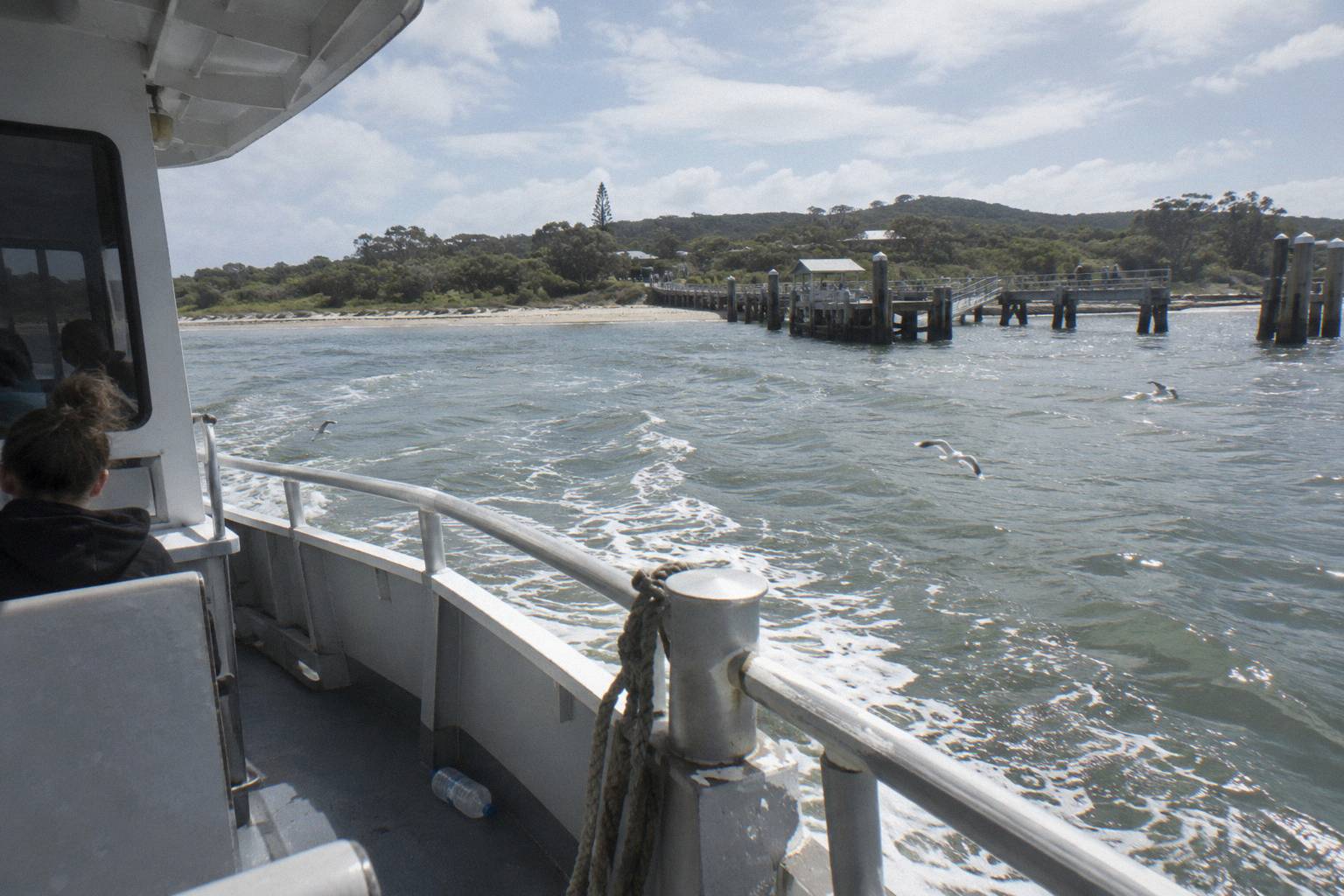
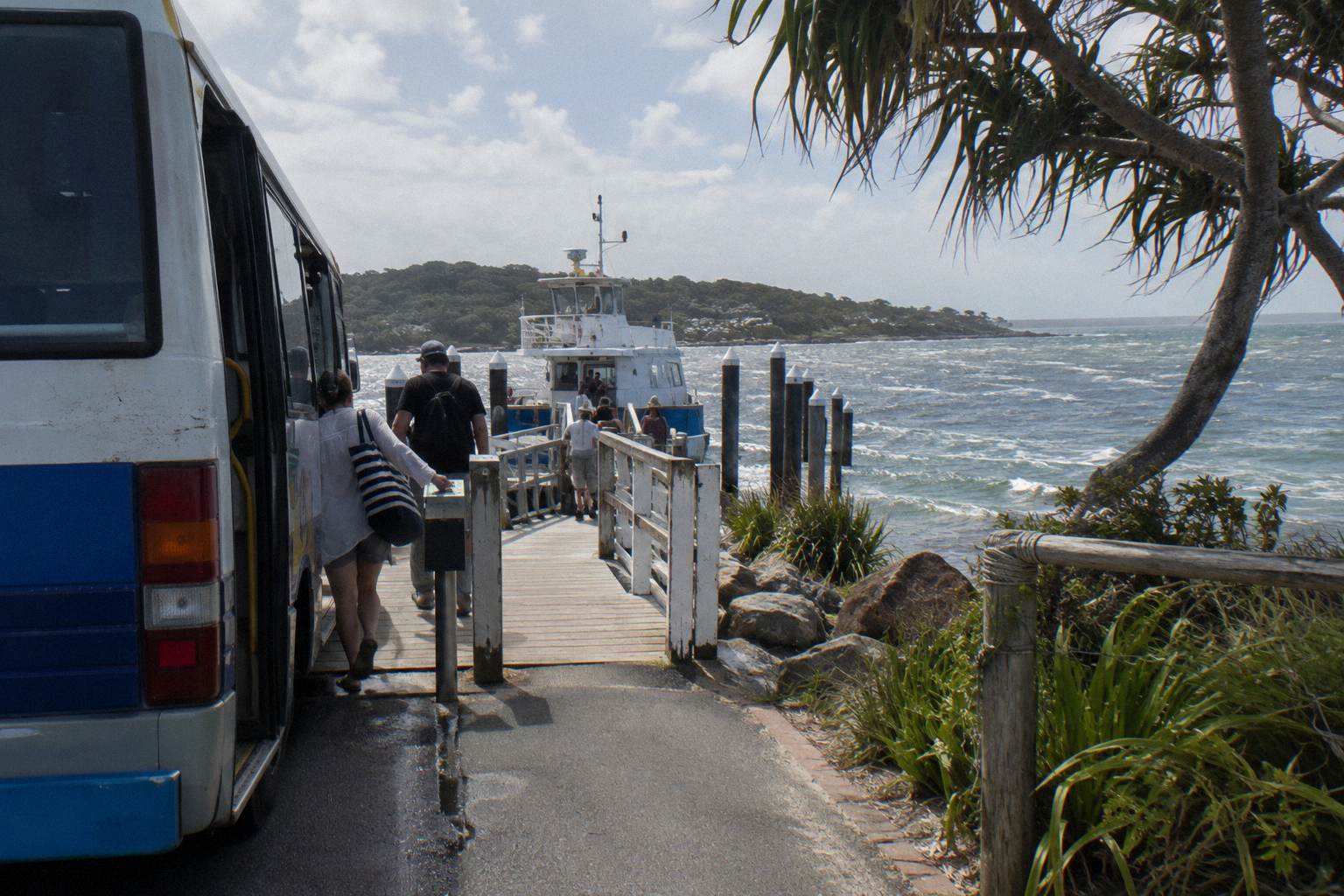
Amity Point is reachable without a tour: the passenger ferry lands at Dunwich and the island bus route 881 runs from the One Mile terminal through to Amity Point, with the timetable guaranteed to connect with ferries. A tour adds a guide who looks for wildlife, a set route with other stops, and no waiting at a bus stop. Neither approach changes the dolphin odds.
The self-guided version costs less and bends to your own timing. The trade is that you carry the planning: the passenger ferry from Cleveland takes about 25 minutes, with tickets valid on any service for 365 days from purchase, and drive time from Dunwich to Amity Point is 20 to 25 minutes by road. The buses run seven days on a seasonal timetable, operated by Bay Island Transit Systems, and tickets are a plain A$0.50 single or A$1.00 daily, cash paper tickets only, with go cards not accepted. The full logistics, including what works without a car at all, are laid out in the guide to seeing North Stradbroke Island without a car.
| Getting to Amity Point | Tour version | Independent version |
|---|---|---|
| Ferry | Return ferry included in the three wildlife day trips | Passenger ferry about 25 minutes, tickets valid 365 days, bought online or at the terminal, not onboard |
| On-island travel | Air-conditioned vehicle with the group | Bus route 881 from One Mile terminal, paper tickets only, A$0.50 single or A$1.00 daily |
| Wildlife spotting | Guide actively scanning, koala spotting listed on two booking pages | Your own eyes and time |
| Time at Amity | Fixed by the itinerary | Unlimited, on your own schedule |
| Lunch | Not included on the three wildlife trips | Bring your own or buy in the township |
The tour version is really a bundle decision. You are buying the ferry, the driving, the guide's eyes and a day that also takes in Point Lookout, beaches or cultural sites depending on the trip. The Wildlife And Beaches day trip bundles koala and kangaroo spotting with the guide, Point Lookout, beach and swimming stops and beach games in one 11-hour day; the Small Group Eco Tour bundles the Amity village stop with the North Gorge Walk, Myora Springs, two named beaches and a lake stop. Comparing those bundles, not the operators, is the comparison worth making, and the format table earlier in the article is the way to do it.
One middle path is worth naming. If you want a full wildlife-flavoured day from Brisbane but also want cultural depth, the Indigenous Culture Day Tour is not a wildlife trip, but its 11-hour itinerary includes wildlife spotting along the way, seasonal whales June to November on its booking page, Myora Springs, the North Gorge headland walk and Brown Lake, with lunch of a Prawn Shack prawn and avocado roll and a cold drink included, from A$359 per person. It runs on set days, so check the booking page for your date. It carries no rating figure.
When Is The Best Time Of Day And Year For Wildlife Watching?
There is no verified best hour for dolphins or koalas here, and no tour or park source claims one. What the sources establish is seasonal: humpback whales pass close to the coastline from June to November, and the climate is mild year round, with mean maximums of 29.6 °C in January and 21.2 °C in July at the Bureau of Meteorology's Point Lookout station. The decision is which condition matters to you.
Beach patrols and wildlife overlap in a way worth planning around. Patrols at Main Beach and Cylinder Beach run weekends and public holidays from September to early May, so a swim-focused visit outside that window has no flags. Whale season from June to November overlaps the cooler, drier end of that patrol window, which is why September to November is when a single day can plausibly include a whale from a headland and a swim between flags, with nothing promised on either count.
Rain is modest by Queensland standards but not absent: mean annual rainfall at Point Lookout is 1,517.7 mm, wettest in March at 179.6 mm and driest in September at 53.7 mm. Koalas do not care about your weather app, and dolphins surface in rain, so a grey day is not a written-off day. Tours carry their own weather rules, and free cancellation up to 24 hours before start applies to every trip listed here, which sets the last sensible moment to change your mind. The wider seasonal picture is in the best time to visit North Stradbroke Island guide.
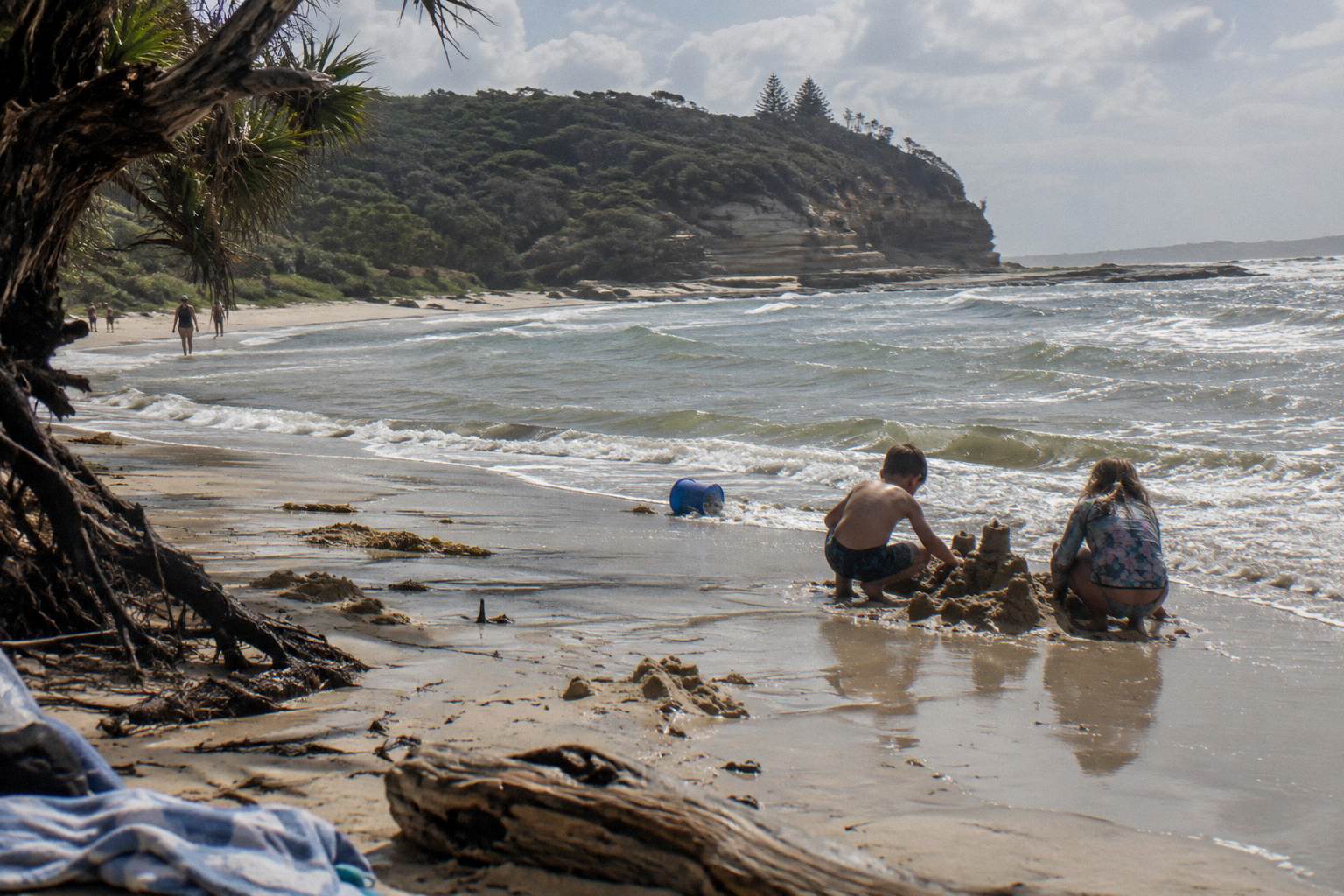
On North Stradbroke Island Tours the same honesty rule runs through every page: a wildlife day is a day spent in the animals' habitat, with the odds the habitat sets. Book the format that fits your energy, swim only where the park says to swim at Amity, and treat anything that surfaces or looks back as the bonus it is.
Common Questions About Amity Point Dolphins And Koalas
Are Dolphins Guaranteed At Amity Point?
No. Queensland Parks names dolphins among the island's marine life, but no tour names a dolphin stop at Amity Point and no source says dolphins reliably come close there. Treat any dolphin sighting anywhere on the island as a possibility, never a promise.
Which Tour Actually Stops At Amity Point?
The Small Group Eco Tour includes a verified visit to the fishing village of Amity, from A$199 per person for a 10-hour day. It also names dolphins, turtles, manta rays and whales among animals to look for, and koalas and kangaroos to see. No other trip listed here includes an Amity stop.
Can You Swim At Amity Point?
Yes, in the enclosed swimming area, one of two named by Queensland Parks on the island. Do not swim in the deep channel off Amity Point: the park warns of strong currents and possible sharks. Bluebottles and fire jellies occur in Moreton Bay waters, so ask a lifeguard about conditions on the day.
Where Can You See Koalas On North Stradbroke Island?
Koalas are wild across the island, including around the townships, and the population is genetically distinct. The Wildlife And Beaches day trip and the Hit The Road Wildlife Day Trip list koala spotting with the guide, and the Small Group Eco Tour names seeing koalas and kangaroos. Sightings are never certain.
Are There Whale Watching Tours From North Stradbroke Island?
Not among the trips covered here. Whale watching on this island means sightings from land, from headlands such as Point Lookout and the North Gorge Walk, where humpbacks pass close to the coastline from June to November. Several day tours list seasonal whales on their booking pages; none operates a whale cruise.
Is Amity Point Dolphins And Koalas A Good Reason To Book A Tour Over Going Independently?
A tour buys the ferry, the driving and a guide who actively looks for wildlife, which matters if you have one day. Going independently via the passenger ferry and bus route 881 costs less and gives you unlimited time at Amity, but nobody is scanning the trees for koalas for you. Neither changes the odds of a sighting.