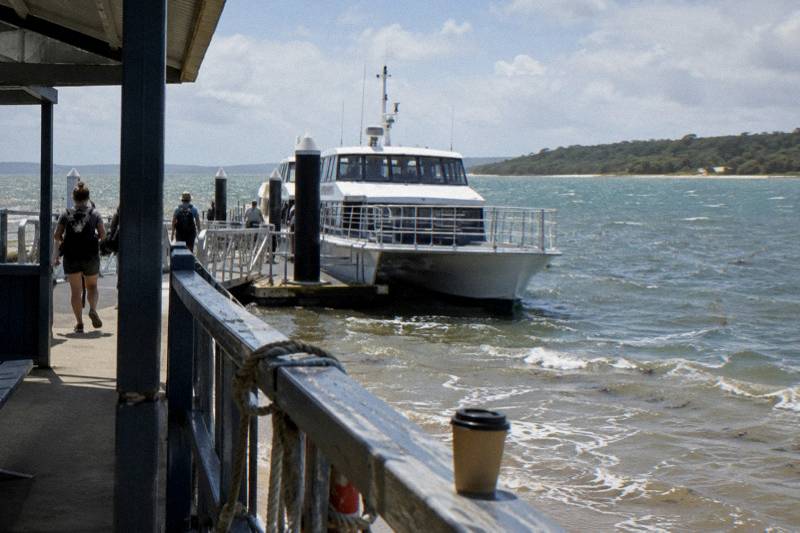
What To Pack For A Straddie Day Tour: Swimwear, Shoes And Sun Gear
Packing for a Straddie day tour comes down to the trip you actually booked: the bring lists differ, and the park has its own rules about sunscreen and the lakes.
Short answer
Pack comfortable walking shoes, a hat, sunscreen, insect repellent and a reusable water bottle for any Straddie day tour. Add swimwear and a towel if your booking page names beach stops, and bring or buy lunch unless your trip includes it. All prices here are Australian dollars, from A$149 per person for the Hit The Road Wildlife Day Trip.
A packing list for a North Stradbroke Island (Minjerribah) day tour is not one list, it is several. The bring list for a wildlife trip from Brisbane is short: shoes, hat, sunscreen and a bottle. The list for a trip that names beach and swimming stops adds swimwear and a towel. A cultural day tour tells you to bring a jacket and a camera. Meanwhile the national park that covers about half the island has its own rules, including guidance that asks visitors not to swim in the lakes and to keep sunscreen out of them.
The guide below is built only from what the booking pages themselves say to bring, and from the published rules of Queensland Parks and the ferry operators. Nothing here is invented, and nothing here is brand advice: no fabric science, no gear recommendations, just what each trip asks for and what the park asks of you. If you have already booked, start with the section for your trip format. If you are still comparing, start with the bring-list table and work down.
North Stradbroke Island Tours covers every day trip to the island from Brisbane and the Gold Coast, plus the on-island options, so you can match the packing list to the ticket you actually hold.
Which Bring List Applies To The Tour You Booked?
The bring list depends on which tour you booked, not on the island itself: Queensland Day Tours asks for comfortable shoes, a hat, sunscreen and insect repellent; the Wildlife And Beaches trip adds swimwear, a towel and a reusable bottle; and the First Nations Day Tour requests a sun hat, camera, sunscreen, water and a jacket. Check your booking page the day before, since your operator's list is the one that counts.
Every operator publishes a short "what to bring" line on its booking page, and the differences are genuine. A trip built around wildlife viewing from a vehicle and headland walk has no reason to ask for a towel. A trip that names beach and swimming stops, and carries beach games on board, does. The Indigenous Culture Day Tour includes a filtered spring water refill on board, which changes what you need to carry, and the Hit The Road trip includes bottled water outright.
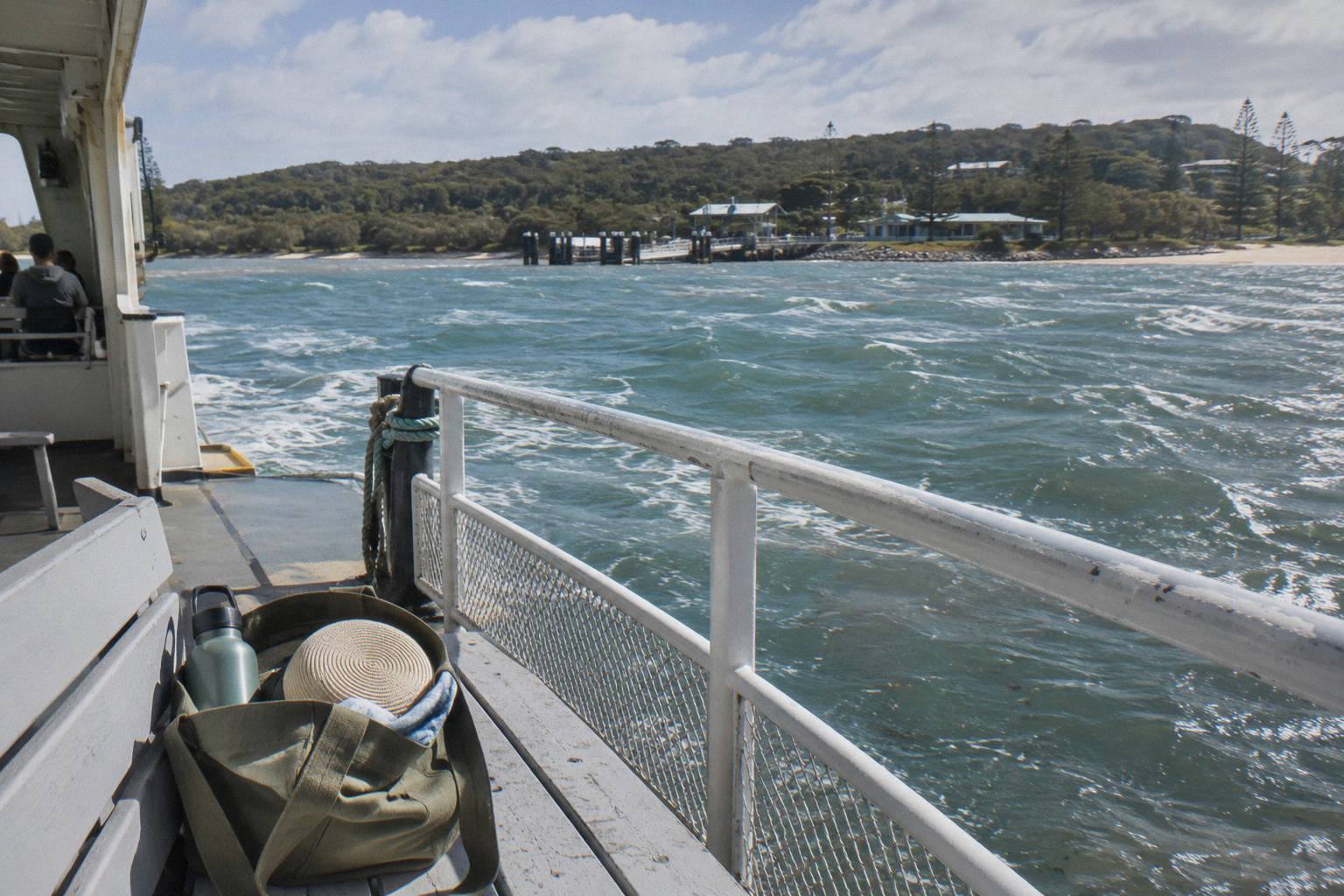
The other variable is lunch. Three of the day trips include a meal, and the rest do not. The Hit The Road guide recommends takeaway lunch options for a beachfront picnic, or you can pack your own. The Small Group Eco Tour lists lunch as not included, and so does the Wildlife And Beaches trip. Pack accordingly, or budget for a stop.
| Trip | Booking-page bring list | Lunch |
|---|---|---|
| Small Group Eco Tour, All Inclusive | Comfortable shoes, hat, sunscreen, insect repellent | Not included |
| Hit The Road Wildlife Day Trip | Bottled water included; picnic lunch suggested or bring your own | Not included |
| Wildlife And Beaches, 11 Hours | Walking shoes, hat, sunscreen, swimwear, towel, reusable bottle | Not included |
| First Nations Day Tour, 8 Hours | Sun hat, camera, sunscreen, water, jacket; moderate uneven walking | Included |
| Indigenous Culture Day, 11 Hours | Filtered spring water refill on board | Included |
What Belongs In The Core Of Every Straddie Packing List?
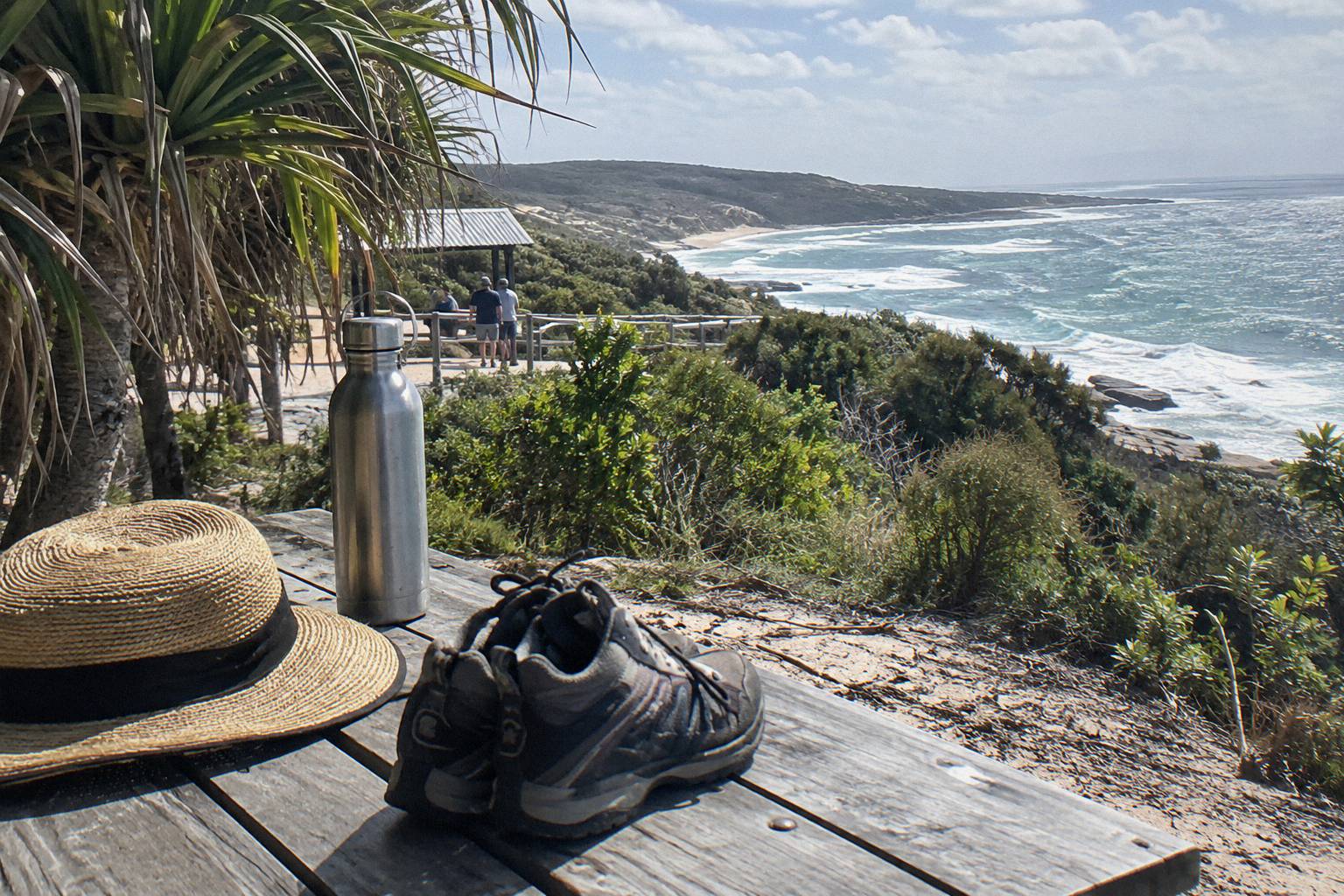
Shoes, a hat, sunscreen, a water bottle and insect repellent form the core of every Straddie packing list, because the day runs almost entirely outdoors across ferry crossings, headland walks, beach stops and wildlife viewing. Refills exist on some trips, but a reusable bottle is named on at least one booking page, and these five items are the floor of your list, not the ceiling.
The reasoning is simple. The North Gorge Walk at Point Lookout is 1.2 km along rocky headlands, and Queensland Parks calls it a gentle walk with ocean views, but gentle does not mean barefoot. The koala and kangaroo viewing that several trips are built around happens from walking tracks and vehicle stops. Insect repellent earns its place because Minjerribah, the island's Quandamooka name, is recorded as meaning a place associated with mosquitoes, and the coast is no different from any other subtropical island on that score.
Water is worth a separate thought. The Hit The Road trip includes bottled water and the Indigenous Culture Day Tour includes a filtered spring water refill on board, but on the Small Group Eco Tour only bottled water is listed, and the Queensland Day Tours booking page says no food or drink on the bus. A bottle you can carry off the vehicle at each stop solves all of this, and the Wildlife And Beaches bring list names a reusable bottle directly.
One more core rule from the park side: Queensland Parks asks visitors to stay on tracks and take rubbish out with them. That means your packing list should include a bag for your own rubbish, because a full day on island tracks and beaches leaves you holding wrappers, peels and empties until you are back near a bin. It is a small thing that the booking pages never mention and the park rules make necessary. The same pages confirm dogs are not permitted in the national park, so the packing question of whether the family pet comes along is settled before you reach the ferry: they do not, and pets are not allowed on island public buses either, per SeaLink.
Do The Free-Cancellation Terms Change How Early You Can Pack?
Not really, but they change how early you can book. Every day trip offers free cancellation up to 24 hours before start, so you can lock in a date while you assemble gear, and the packing can follow the ticket rather than lead it. The only trip with a stated packing constraint of its own kind is the oyster farm tasting, which supplies farm footwear if required, but that is an on-island two-hour experience rather than a day tour from Brisbane.
Swimwear, Towel And The Beach Stops: When Do You Actually Pack Them?
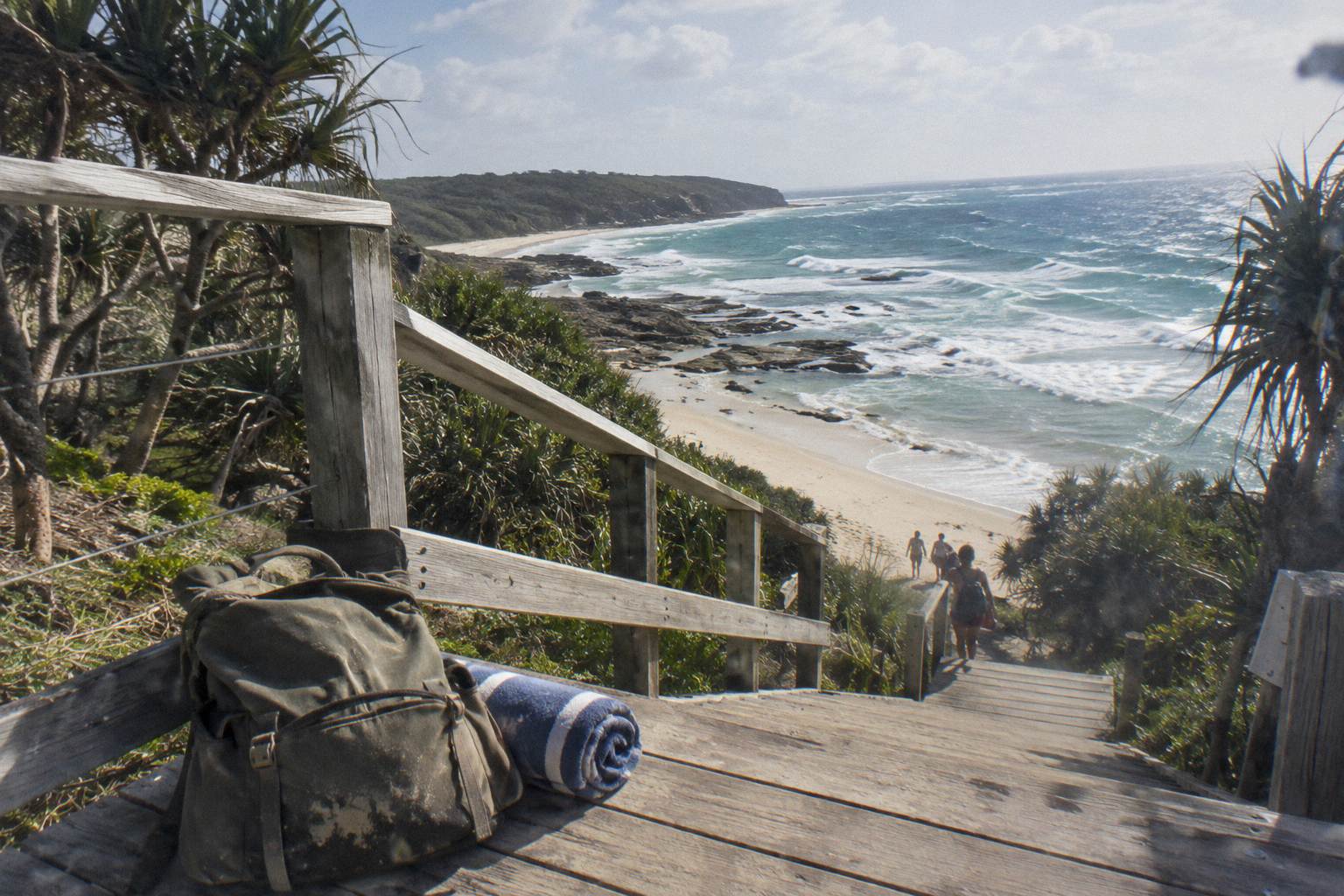
Pack swimwear and a towel only when your booking page names beach or swimming stops: the Wildlife And Beaches trip lists beach time, swimming stops and beach games, and names swimwear and a towel on its bring list, while trips without a named swim stop do not list them. Swim between the flags where patrols run, on weekends and public holidays from September to early May, with school-holiday lifeguards at some beaches.
The distinction matters because not every day tour is a beach day. The Small Group Eco Tour names Cylinder Beach and Frenchmans Beach as stops, which are beach visits rather than a promised swim, and its bring list asks for shoes, hat, sunscreen and repellent rather than swimwear. The Wildlife And Beaches trip is the one whose booking page puts swimming in the inclusions column, beach games and all, and it is the one that tells you to bring swimwear and a towel. If in doubt, a towel weighs little and a swimsuit weighs less.
Safety context is worth carrying in your head even when it does not go in the bag. Queensland Parks says the patrolled area at Point Lookout is the most popular swimming beach, that rips and side currents are possible, and that Dunwich and Amity have enclosed swimming areas. Do not swim in the deep channel off Amity: strong currents and possible sharks are named. Bluebottles and fire jellies occur in Moreton Bay waters, so swim between the flags and ask a lifeguard rather than assuming anything about stingers.
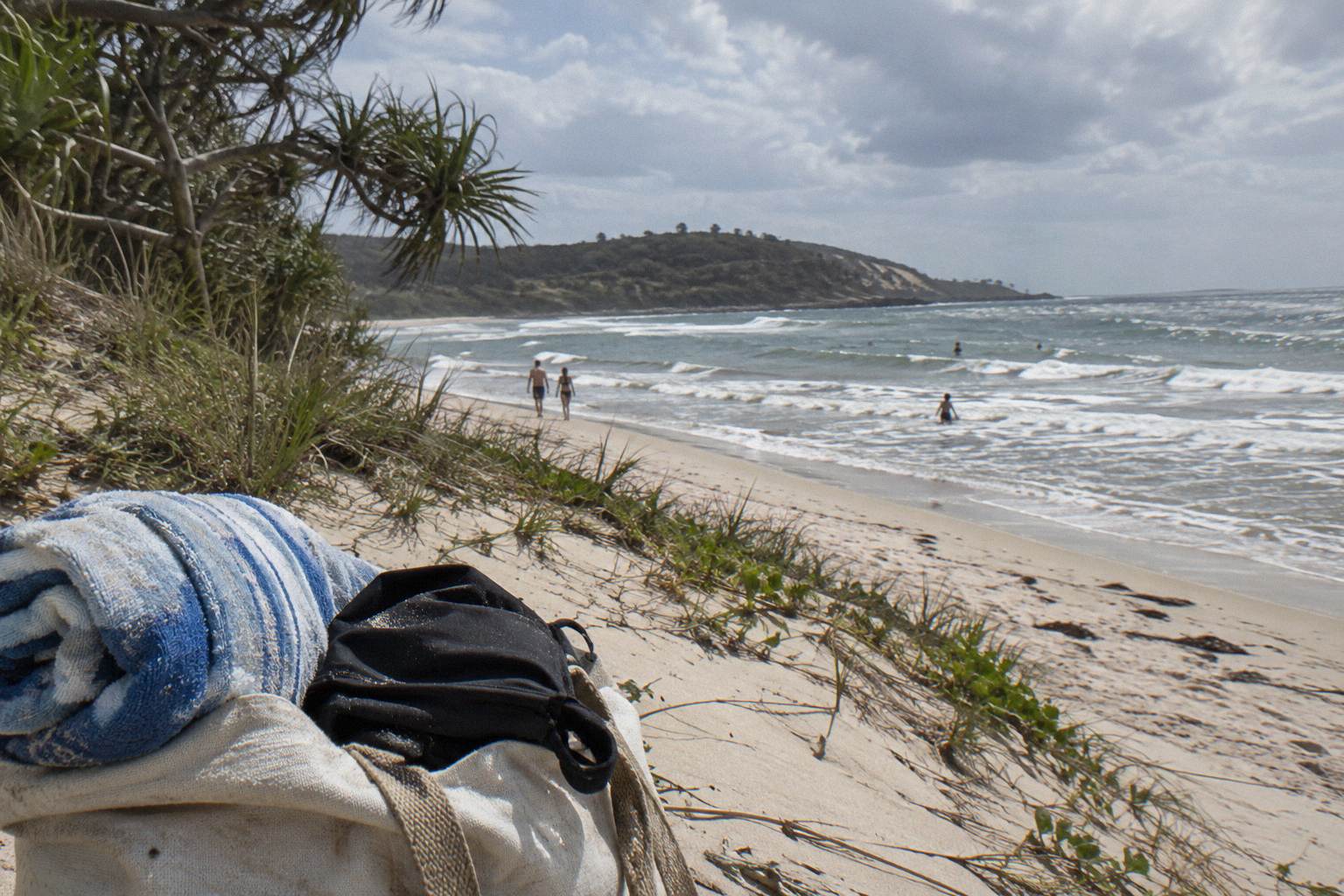
If you want the fuller picture on the swimming question before you decide what to pack, the site's longer treatment of swimming on a Straddie day tour works through which trips include water time, and the Cylinder Beach guide covers the most popular patrolled beach on the island.
Sunscreen Versus The Lakes: The One Packing Rule That Surprises People
Yes, pack sunscreen for the beach and the headland walk, but keep it off your skin anywhere near the island's lakes: Queensland Parks warns that sunscreen and swimming pollute the lakes and lagoons, the Quandamooka people ask visitors not to swim in Kaboora (Blue Lake) at all, and tour rosters include Brown Lake only as a shoreline and cultural stop, never as a dip.
This is the sharpest edge in the whole packing question. Everything your instincts say about an Australian island, sun protection above all, is right for the beaches and wrong for the lakes. The booking pages add to the confusion but incompletely: the Small Group Eco Tour includes a lake stop with free time on the shore, and a reader could easily assume that means swimming. It does not. The park's guidance is that swimming and sunscreen pollute lakes and lagoons, and the ask from the Quandamooka people at Kaboora is explicit: do not swim in it.
So the practical packing rule is a sequencing one. Sunscreen on for the ferry, the headlands and the beaches, and applied before you leave the vehicle at a beach stop. At a lake stop, keep to the shore, keep the sunscreen out of the water, and treat the stop as what the itineraries actually say it is: a cultural and landscape visit. The Indigenous Culture Day Tour and the First Nations Day Tour both include a Brown Lake stop in exactly that spirit, and the park's listed activities there are walking the fire tracks, bird watching and wildflowers.
| Environment | Sunscreen | Swimming | What the rules say |
|---|---|---|---|
| Ocean beaches, patrolled | Yes, as normal | Between the flags | Patrols weekends and public holidays, September to early May |
| North Gorge Walk | Yes | Not applicable | Stay on tracks |
| Brown Lake, Bummiera | Keep it out of the water | Not a swimming stop | Park says sunscreen pollutes lakes and lagoons |
| Blue Lake, Kaboora | Keep it out of the water | Asked not to swim | Significant cultural value; Quandamooka request |
The park's own guidance on Naree Budjong Djara and Quandamooka culture is the source for the no-swimming request at Kaboora. For the trip-side detail, the site's Blue Lake Kaboora guide and the Brown Lake Bummiera guide cover both lakes in full, including the closure notices that sometimes affect access tracks.
Shoes: What The Walking On Each Trip Actually Asks Of Your Feet
Comfortable walking shoes appear on every bring list that mentions footwear, and the reason is the terrain: the North Gorge Walk is 1.2 km of rocky headland, several trips include tracks and uneven surfaces, and the First Nations Day Tour explicitly warns of moderate walking on uneven surfaces. Thongs are beach footwear here, not tour footwear, and the booking pages that name shoes at all name walking or comfortable shoes.
There is no single verified walking-time figure for the gorge walk, and none is listed here, but the distance is confirmed at 1.2 km and Queensland Parks describes the walk as gentle with ocean views. Gentle on sandstone headland still means rock, root and step. The Small Group Eco Tour includes a guided hike along the headlands as part of its day, so the shoes matter for a named itinerary item, not just an optional add-on.
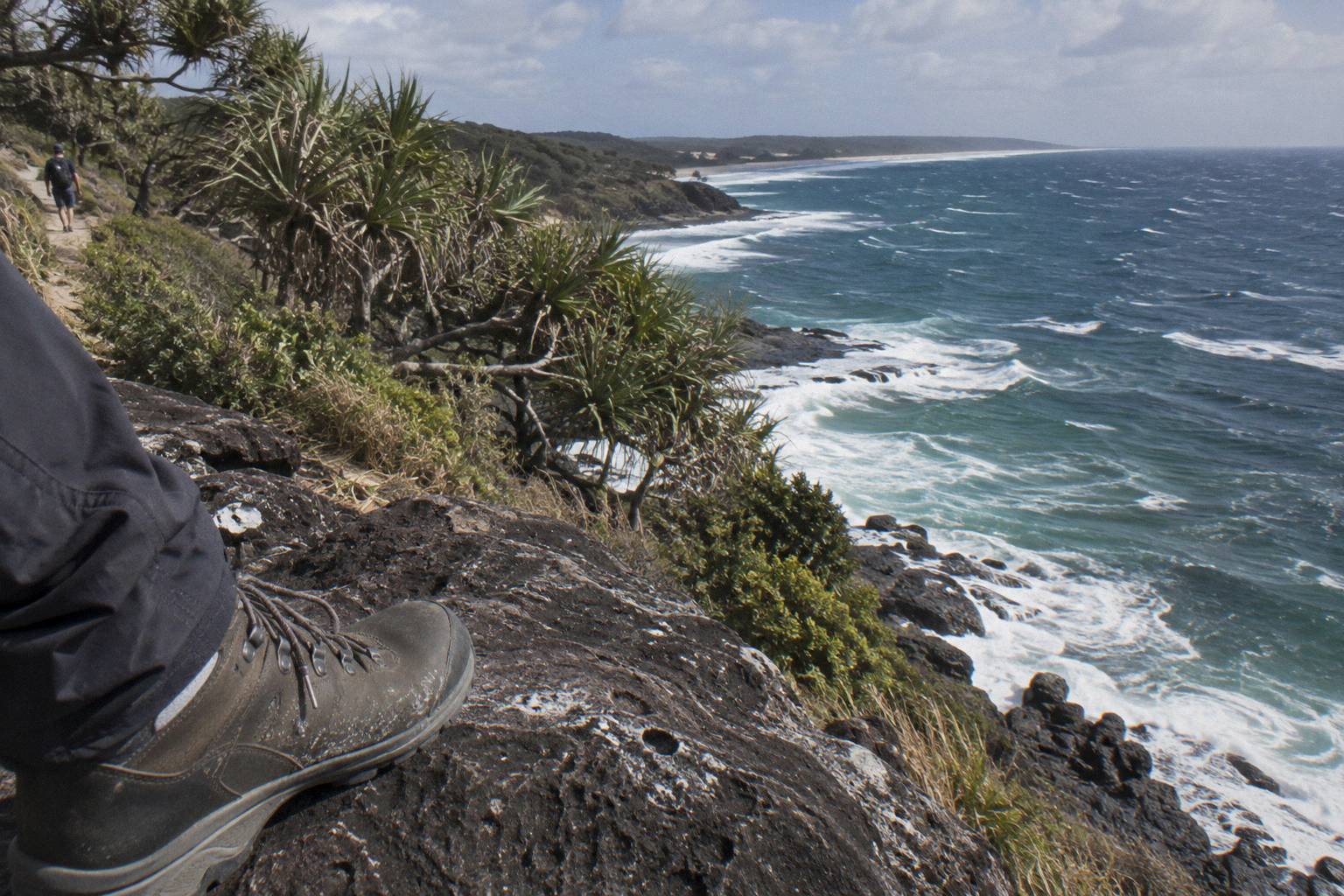
The one trip with its own footwear notes is off-topic for a packing list because it supplies the gear: the oyster farm tasting involves about 20 minutes each way across mudflats and shallow tidal water, and farm footwear is provided if required. For the on-island cultural driving tour, a three-hour run that starts at One Mile Jetty in Dunwich, ordinary comfortable shoes are all the day asks for, and it has a stated weather policy.
Lunch, Water And Snacks: What Is Included Versus What You Pack
Lunch is included on the First Nations Day Tour (a fish and chips pack) and the Indigenous Culture Day Tour (a Prawn Shack prawn and avocado roll with a cold drink), while the Small Group Eco Tour, Hit The Road trip and Wildlife And Beaches trip leave lunch to you, so pack a picnic or take the guide's takeaway suggestions; water comes as bottled on two trips and as a filtered refill on one.
This is the section that saves you the most money and the most hunger, so it is worth reading the fine print rather than skimming. The pattern across the day trips is that the cultural trips feed you and the general sightseeing trips do not. The Hit The Road guide recommends takeaway lunch options for a beachfront picnic, or you bring your own; the choice is yours on the day, and packing a sandwich is the cheaper and faster version. The Queensland Day Tours booking page adds its own constraint: no food or drink on the bus, so whatever you carry gets eaten at stops.
| Trip | Water | Lunch | What you pack |
|---|---|---|---|
| Small Group Eco Tour, All Inclusive | Bottled water | Not included | Lunch, snacks |
| Hit The Road Wildlife Day Trip | Bottled water | Not included | Picnic lunch or money for takeaway |
| Wildlife And Beaches, 11 Hours | Bring a reusable bottle | Not included | Lunch, bottle |
| First Nations Day Tour, 8 Hours | Bottled water | Included: fish and chips pack | Nothing extra |
| Indigenous Culture Day, 11 Hours | Filtered spring water refill on board | Included: prawn and avocado roll, cold drink | Nothing extra |
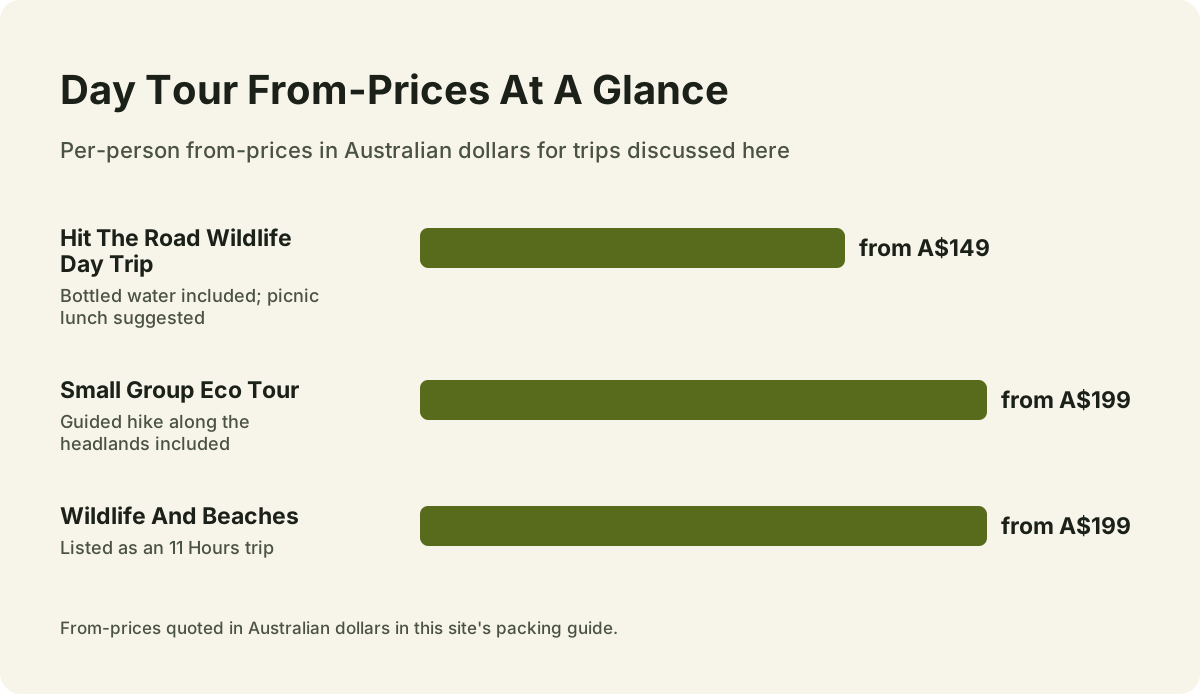
Prices here are Australian dollars, and the from-prices for the trips discussed run from A$149 per person for the Hit The Road Wildlife Day Trip to from A$199 per person for the Small Group Eco Tour and the Wildlife And Beaches trip, and from A$359 per person for the Indigenous Culture Day Tour. The First Nations Day Tour shows the price for your date on the booking page. The two lunch-inclusive trips justify part of their price gap the moment you stop buying a day's food at ferry-terminal prices.
Weather, Season And The Jacket Question
Yes, bring a jacket: the First Nations Day Tour is the only packing list to name one outright, and the climate data backs it up. Point Lookout runs from a January maximum of 29.6 °C to a July maximum of 21.2 °C, with July nights at a mean minimum of 13.8 °C, while 1,517.7 mm of annual rain makes a light rain layer sensible year round.
A day tour from Brisbane means a very early start and a return in the evening, so you cross the coolest part of both days outdoors, at ferry terminals and pickup points. The Bureau of Meteorology's Point Lookout station, which covers 1997 to 2026, gives the figures above, and they add up to a simple rule: a light layer is never wasted space, and a rain layer is only wasted in the driest couple of months. The island's seasons also matter for what you might see rather than what you wear: humpback whales pass close to the coastline from June to November, on the annual migration described by Queensland Parks, and several trips name them on their booking pages, always as sightings rather than promises.
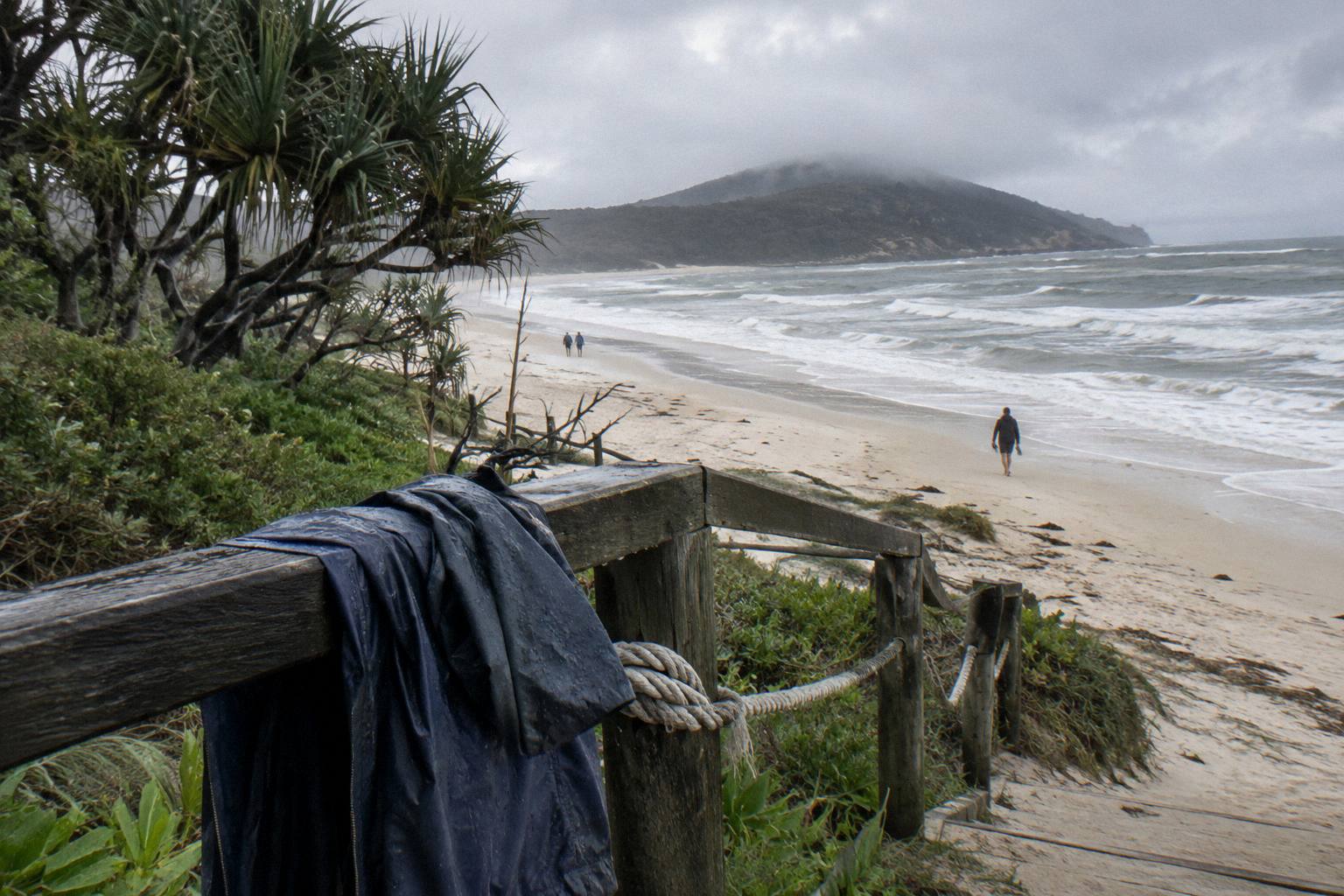
Will weather cancel your tour? The on-island cultural driving tour has a stated weather policy, and the oyster farm tasting runs in most weather with start times that follow the low tide. For the day trips from Brisbane, cancellations are rare enough that none of the booking pages leads with a weather warning, but the 24-hour free cancellation on every trip is your safety net if a genuine weather decision ever needs making. The site's post on whether weather cancels a Straddie day tour goes through the mechanics.
One Dated Fact Worth Knowing Before You Zip The Bag
Queensland Parks has the North Gorge Walk listed as partly closed, so check the park alerts before you build your day around it. The same alerts cover temporary closures of the access tracks to Brown Lake, and a packing list cannot fix a closed track, but a two-minute check can reset your expectations before a 7:45 AM start.
What You Do Not Need To Pack
Skip the ferry tickets on the five trips that include the return ferry, national park fees on the trips that cover them, farm footwear for the oyster tasting, and lunch on the two cultural day tours. Leave drones and dogs at home too: CASA rules apply, a Queensland Government permit may be needed to fly in a park, and dogs are not permitted in the national park or on island buses.
Leaving things out is half of a good packing list. National park fees are included on the Small Group Eco Tour and the 4WD Beach Day. And the Queensland Day Tours bus has a no-food-or-drink rule, which paradoxically means you can leave the thermos at home for that trip.
A light day pack, not a suitcase, is the right container for all of this. The trips are 8 to 11 hours long, you change vehicles and ferries at least twice, and storage on small-group vehicles with up to 11 passengers is what it is. If your list does not fit in a day pack with room for a rubbish bag and a towel, cut something.
The Final Checklist Before You Leave For The Ferry
The night before you leave, run this list in order: ticket and photo ID, shoes, hat, sunscreen, insect repellent, water bottle, lunch or lunch money, swimwear and towel only if your trip names a swim stop, a light layer, a rubbish bag and any personal medication. Check your meeting point against the booking page, mind the two-Adina-hotel warning on the Hit The Road trip, leave the dog at home, and pack it all in one day pack.
Meeting points deserve one last check, because they differ by trip and two of them have traps. The Hit The Road trip meets outside the Adina Apartment Hotel Anzac Square at 7:45 AM, and its booking page warns there are two Adina hotels in Brisbane. The Wildlife And Beaches trip lists meeting points including Pullman Brisbane King George Square, the SeaLink Departure Lounge Cafe in Cleveland, and Novotel Surfers Paradise for Gold Coast passengers. The Small Group Eco Tour meets at Brisbane Skytower by CLLIX, 222 Margaret St, and lists hotel pickup and drop-off as not included. The First Nations Day Tour returns you to a Brisbane CBD meeting point whose address arrives with your booking confirmation.
If you are driving yourself to a mainland ferry terminal rather than taking a tour from Brisbane, public parking near the terminals fills fast on weekends and holidays, per SeaLink's island information page, and the vehicle ferry must be booked. The site's Stradbroke ferry guide covers fares, timing and the difference between the vehicle ferry and the passenger service, and what to expect on the day walks through the actual shape of a tour day.
Three formats cover most readers: the all-inclusive small-group eco day, the wildlife trip with the largest review pool, and the 11-hour beaches trip whose bring list is the fullest of all.
Common Questions About Packing For A Straddie Day Tour
Do I Need To Bring A Towel On A Straddie Day Tour?
Only if your booking page names beach and swimming stops. The Wildlife And Beaches trip lists swimwear and a towel on its bring list because it includes beach time, swimming stops and beach games. Trips without a named swim stop, like the Small Group Eco Tour, ask for shoes, hat, sunscreen and repellent instead.
Should I Pack Lunch For The Tour?
Pack lunch or lunch money unless your trip includes a meal. The First Nations Day Tour includes a fish and chips pack and bottled water, and the Indigenous Culture Day Tour includes a Prawn Shack prawn and avocado roll with a cold drink. The other full-day trips list lunch as not included; the Hit The Road guide recommends takeaway options for a beachfront picnic or bring your own.
Can I Wear Sunscreen At The Lake Stops?
Wear it for beaches and headlands, but keep it out of the lakes. Queensland Parks says swimming and sunscreen pollute lakes and lagoons, and the Quandamooka people ask visitors not to swim in Kaboora, Blue Lake, at all. Lake stops on the tours are shoreline and cultural visits, not swimming stops.
What Kind Of Shoes Do I Need?
Comfortable walking shoes. The North Gorge Walk is 1.2 km along rocky headlands, and the First Nations Day Tour warns of moderate walking on uneven surfaces. No booking page asks for anything more specialised than walking shoes, and the oyster farm tasting supplies farm footwear if required.
Do I Need To Bring Water?
Bring a reusable bottle. The Wildlife And Beaches bring list names one directly, the Hit The Road trip includes bottled water, and the Indigenous Culture Day Tour has a filtered spring water refill on board. The Queensland Day Tours bus allows no food or drink on board, so a bottle you carry at stops is the practical answer.
Should I Pack For Rain?
A light rain layer is sensible for most of the year. Annual mean rainfall at Point Lookout is 1,517.7 mm, with September the driest month at 53.7 mm and March the wettest at 179.6 mm. Every trip offers free cancellation up to 24 hours before start if conditions ever force a change of plan.