Whale Watching On North Stradbroke Island: Season, Lookouts And Day Tours
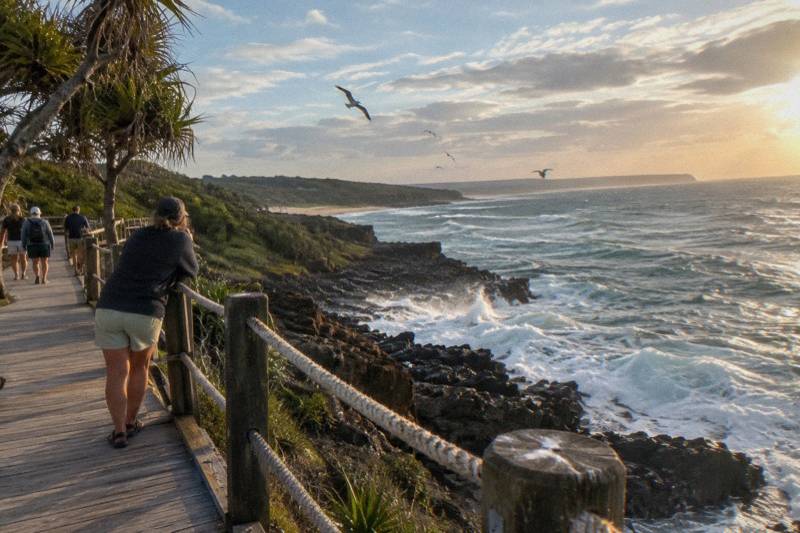
Humpback whales pass close to the coastline of North Stradbroke Island (Minjerribah) from June to November, and there is no whale cruise to book: watching here means standing on the Point Lookout headlands or walking the North Gorge, or joining a day tour whose route passes those lookouts.
Short answer
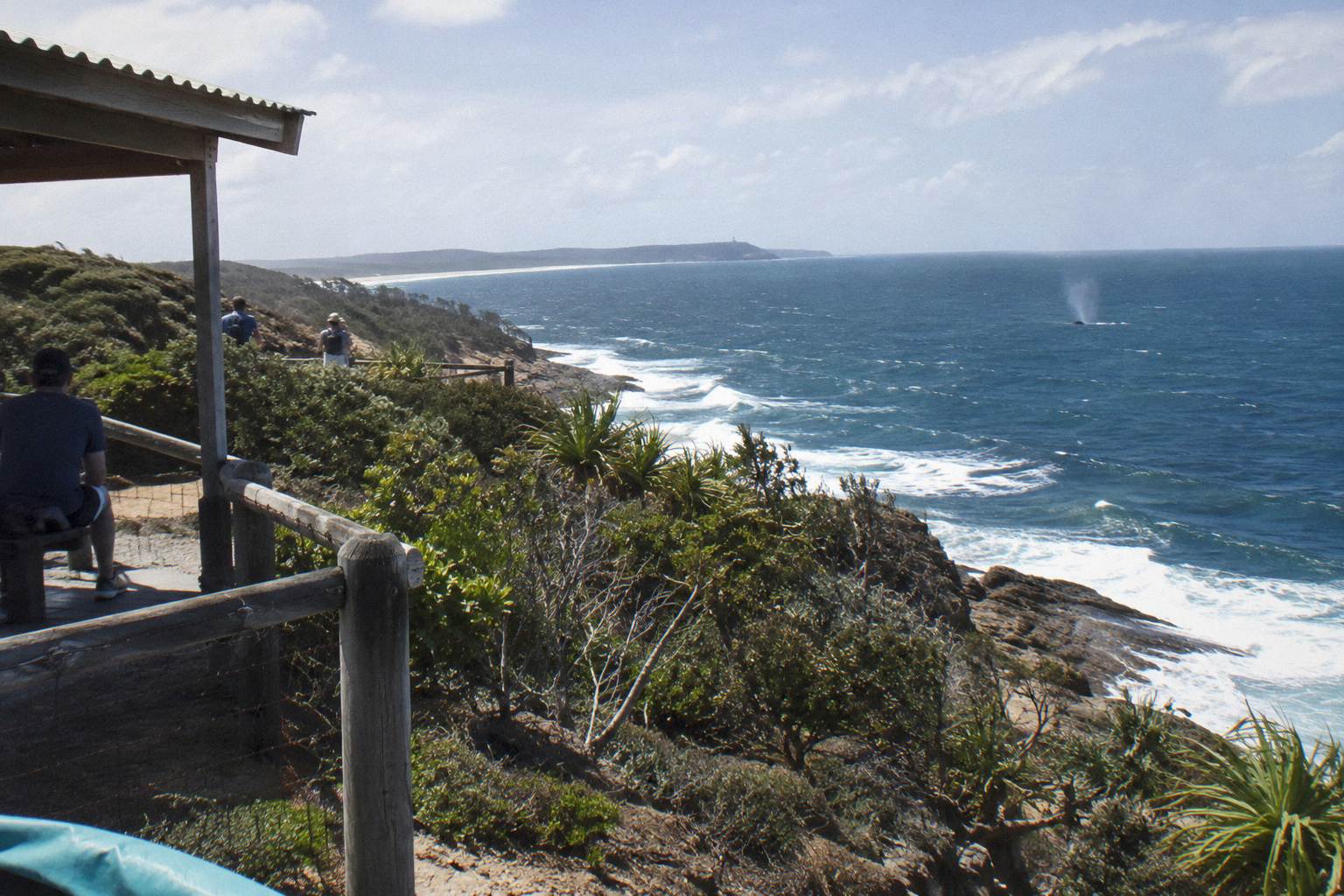
Humpback whales pass close to the island's coastline from June to November on their annual migration. There is no whale watching cruise among the trips covered here: you watch from the headlands at Point Lookout and the North Gorge Walk, or on a day tour that passes them. Day trips that mention whales include the 4WD Beach Day, the Small Group Eco Tour and the Indigenous Culture Day Tour.
Humpback whales pass close to the coastline of North Stradbroke Island (Minjerribah) from June to November on their annual migration, and Queensland Parks names the headlands at Point Lookout as the place they come near. That single fact shapes everything about whale watching here. There is no whale watching cruise, boat trip or kayak outing among the tours here, so nobody can sell you a deck seat next to a breaching humpback. What you can do is stand on rock at the eastern edge of the island and watch one of the longest migrations in the animal world go past, sometimes close enough that you hear the blow before you spot the body.
What that actually looks like in practice: when to come, where to stand, which day tours from Brisbane pass the lookouts during whale season, and what a realistic whale day on Straddie involves. Sightings are never certain, the wind matters more than the calendar some weeks, and the island gives you manta rays, turtles, dolphins and a genetically distinct koala population to look for on the days the whales stay quiet. For the wider picture of how a Straddie day fits together, start with the planning guide to a day trip from Brisbane.
When Is Whale Watching Season On North Stradbroke Island?
Whale watching season on North Stradbroke Island runs from June to November, when humpback whales pass close to the coastline on their annual migration, according to Queensland Parks. Those are the only months to plan around: no cruise trip exists among the tours covered here, so watching means the Point Lookout headlands, the North Gorge Walk, or a day tour whose route crosses them. Sightings are likely in season but never guaranteed.
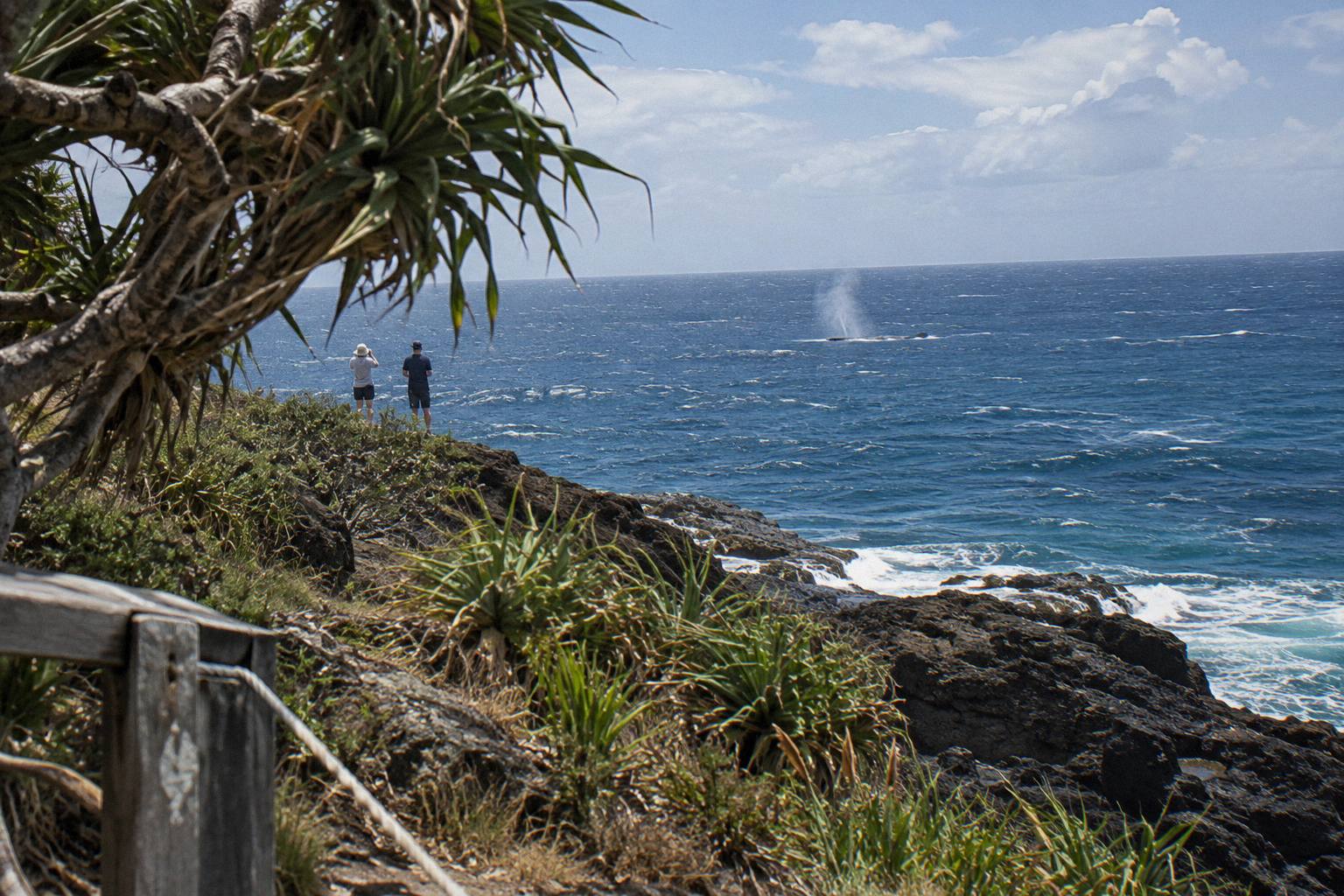
The June to November window covers both legs of the migration. The early months bring northbound humpbacks moving toward breeding grounds in warmer northern waters, and the later months bring the southbound return, often including mothers travelling with calves. Queensland Parks says humpbacks, manta rays and turtles are regularly seen from headlands, which is a genuinely strong statement for a land based viewpoint: most whale watching destinations promise offshore boats because the animals pass far out, while the Straddie coastline funnels the migration close enough to shore that the headlands work.
Why does the island sit so well on the route? Moreton Bay Marine Park surrounds the island, and the whales moving up and down the coast pass the eastern headlands on their way. Point Lookout juts out into that path, which is why the same rock platform serves winter whale spotters and summer manta ray watchers alike. A dedicated watcher with binoculars and patience can log a sighting on many days inside the season, but calm conditions help enormously, because a distant blow disappears into whitecaps quickly.
The decision logic is which condition matters to you rather than a best month. September sits inside the driest stretch of the year at Point Lookout, with Bureau of Meteorology averages showing September at 53.7 mm of mean rainfall and August at 68.9 mm, and daytime mean maxima climbing from 21.2 °C in July toward the warmer months. November is warmer but sits at the tail of the season. Spring school holidays overlap the season, which suits families; midwinter weekdays suit travellers who want the headland to themselves. Nothing here forecasts a specific week, and no month promises a sighting.
The month by month picture below sets the season against what each stretch of it typically brings. Read it as a planning aid, not a forecast: conditions on any given day outrank the calendar, and the whales keep their own schedule.
| Season stretch | What the whales are doing | What to know for planning |
|---|---|---|
| June | Northbound migration begins passing the coast | Start of season; midwinter weekdays mean quiet headlands |
| July | Northbound humpbacks continue past Point Lookout | Mean maximum 21.2 °C; pack layers for the wind |
| August | Peak northbound traffic, then the turn | Mean rainfall 68.9 mm; calm mornings help spotting |
| September | Southbound migration builds, calves appear later | Driest month at 53.7 mm; school holidays overlap |
| October | Southbound leg with mothers and calves | Warmer days; a busy month on the headlands |
| November | Tail of the southbound migration | Warmest of the season months; last chance before it closes |
Where Do You Stand To Watch Whales On Straddie?
The land vantage points are the headlands at Point Lookout and the North Gorge Walk, a 1.2 km walk along the rocky headlands that Queensland Parks calls a gentle walk with ocean views. There is no boat option among the covered tours, so your sighting, if it comes, will be from rock. Note that the Gorge Walk is partly closed: check current park alerts before you build a day around it.
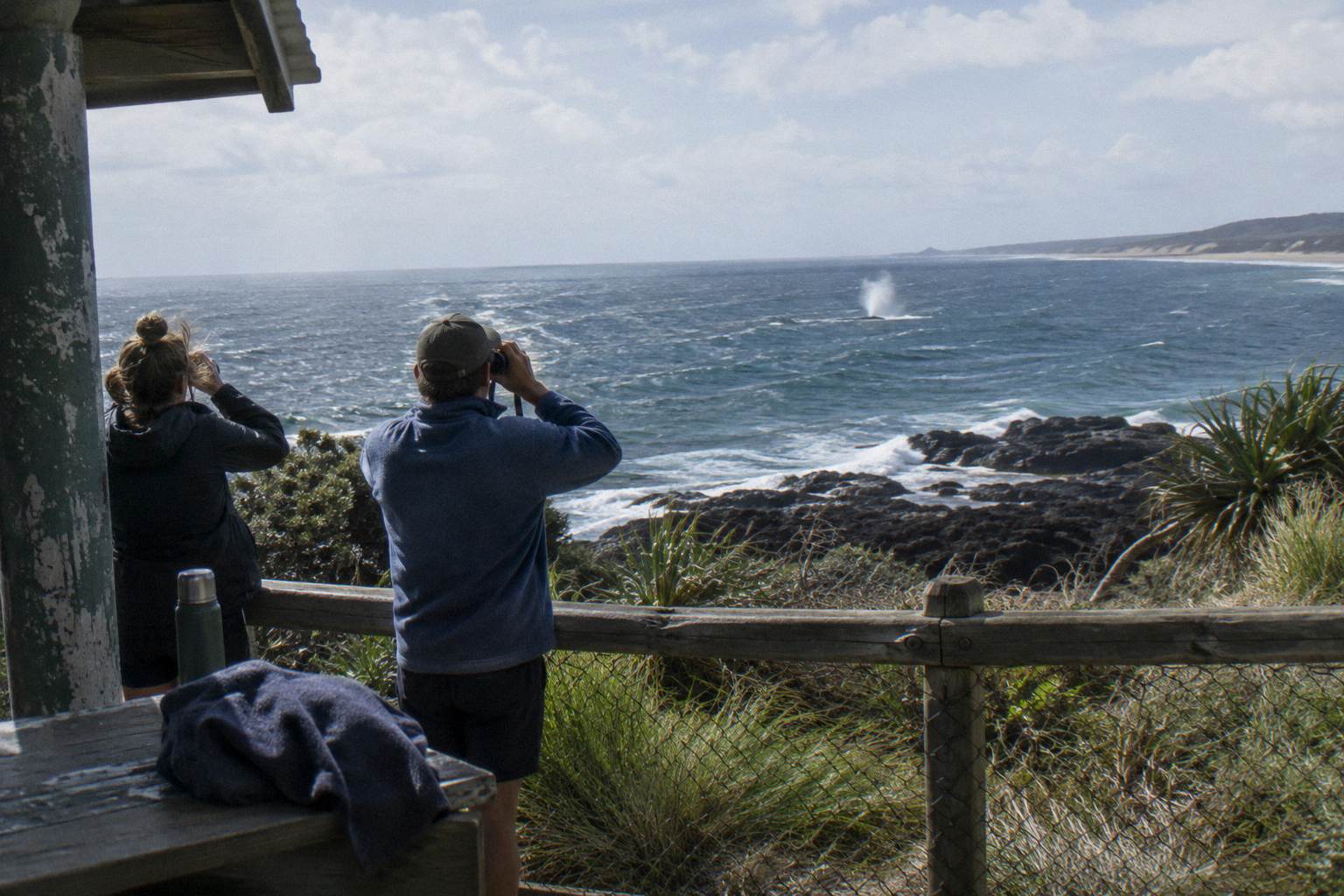
Point Lookout is the easternmost township on the island and the whale capital of it, for the plain geographic reason that its headlands face straight into the migration path. You do not need to complete the full Gorge Walk to watch whales; the headland lookouts near the start of the walk already give open ocean views, and many watchers set up on the grass or the platforms and simply scan. Mornings often bring calmer seas, and calm water matters because a whale blow is a small, pale puff at distance. Bring binoculars if you have them, and give any sighting a few minutes: humpbacks surface on a rhythm, and where one blow appears, another often follows.
The North Gorge Walk itself is 1.2 km, self guided, and partly closed at the time of writing, which is why the check-before-you-go advice is not a formality. Beyond whales, Queensland Parks names turtles, dolphins and manta rays as marine life seen from the walk, and the headlands are also where the island's land wildlife shows up, including a koala population the parks service describes as genetically distinct. If you want the full walking picture, including what the closure means for a day plan, read the North Gorge Walk guide, and the short answer on sightings is in whether you can see whales from the North Gorge Walk.
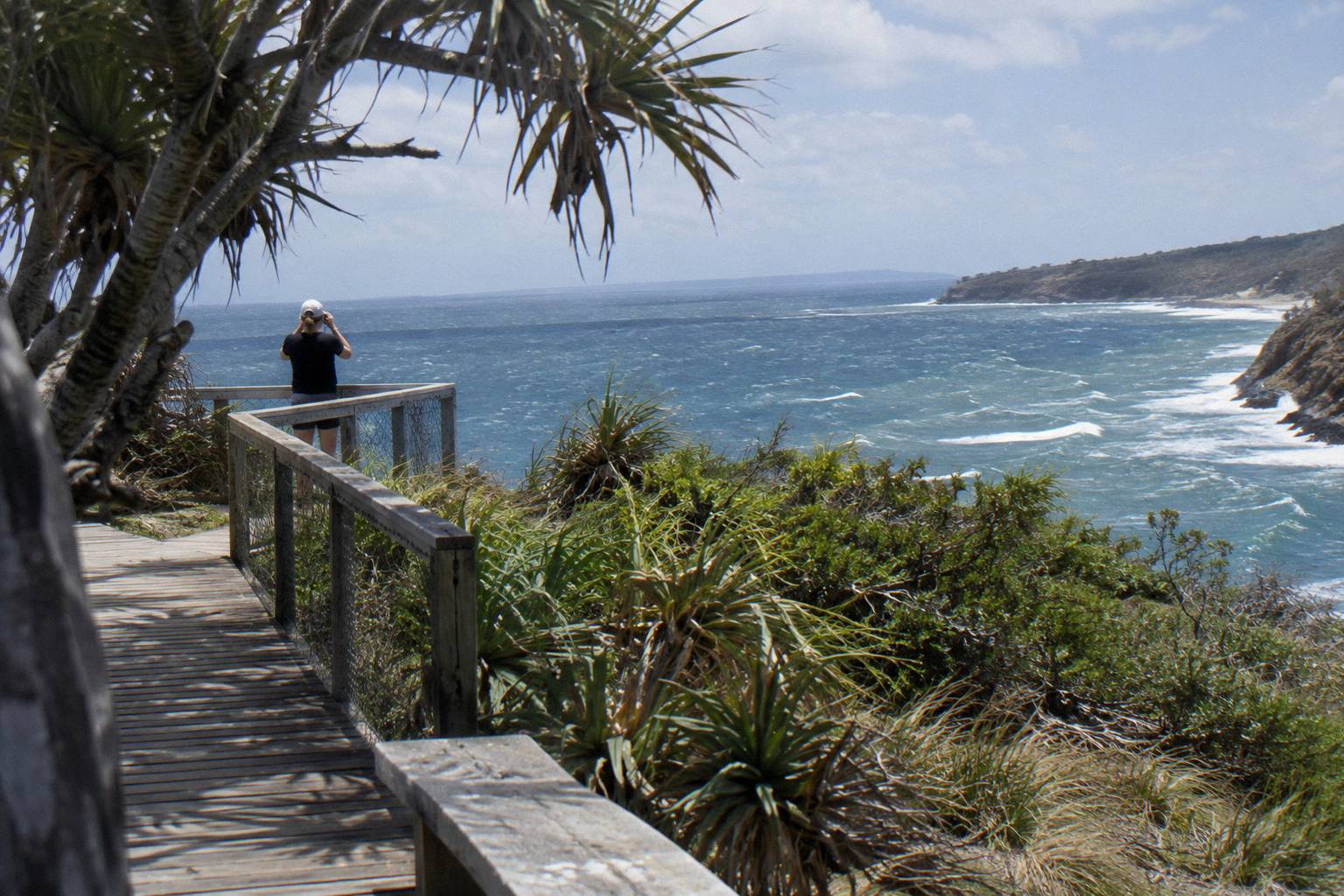
Practical whale watching from land is mostly about expectation management. The whales pass close to the coastline, but close for a humpback is still often hundreds of metres offshore, and a distant fluke can take a moment to separate from a wave. Watch for the blow first, then the dark back rolling through, then, if you are lucky, a pec slap or a breach. Locals who watch the season every year say the southbound leg with mothers and calves can produce the longer lingering sightings, because the pairs travel slower and rest in closer water. None of that is a promise; it is how the odds stack up.
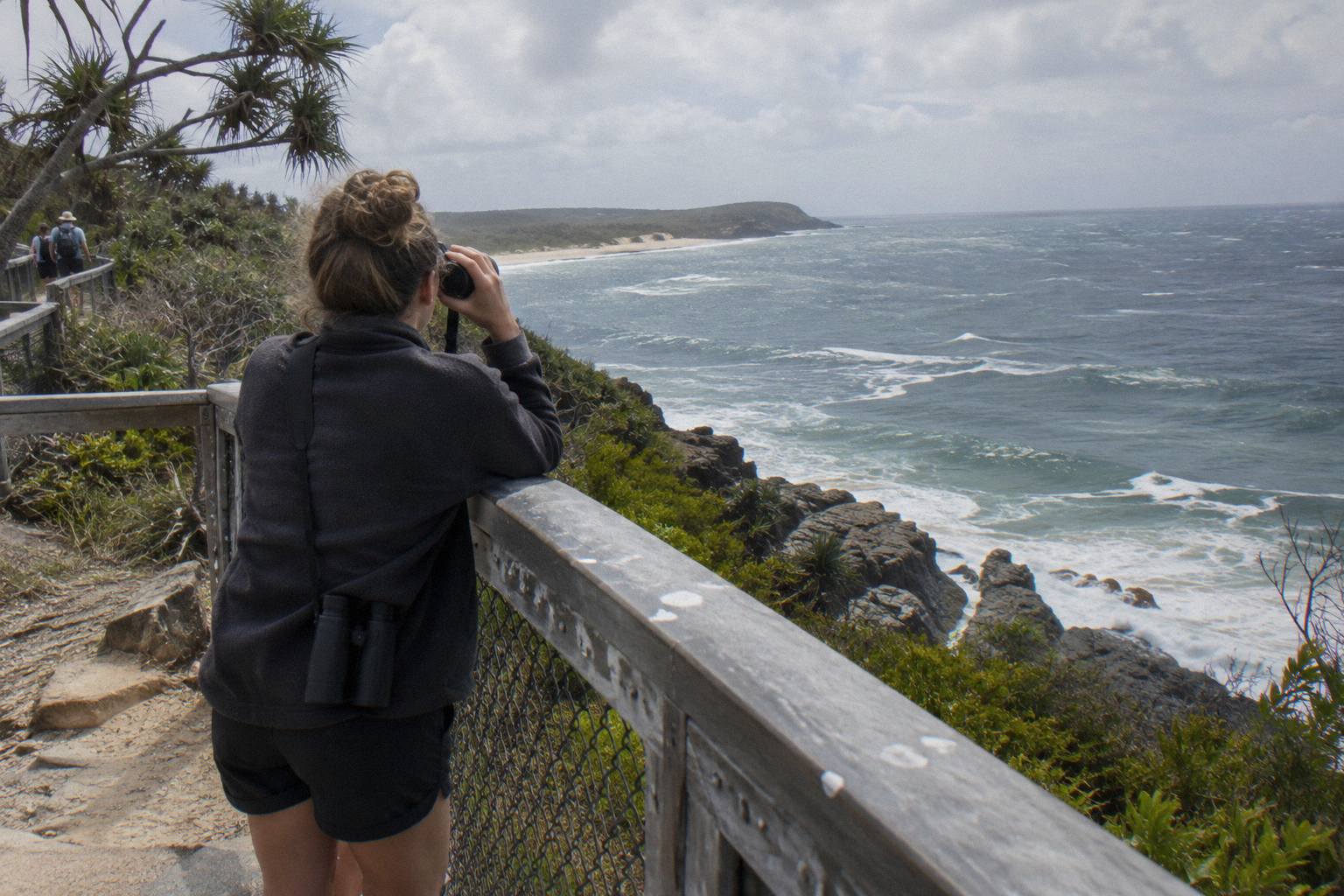
If a self guided headland day is not your pace, a booked day tour covers the same vantage ground with a driver, a guide and a ferry ticket already sorted. These three formats all pass through or near the whale coast during season, in different styles and at different prices.
Which Day Tours Mention Whales On Their Booking Pages?
Three covered trips mention whales on their booking pages: the 4WD Beach Day lists whales June to November, the Small Group Eco Tour lists whales among the marine animals to look for, and the Indigenous Culture Day Tour lists seasonal whales. All three are land based day tours that pass whale country, not whale cruises, and none promises a sighting. Free cancellation up to 24 hours before start applies to every one of them.
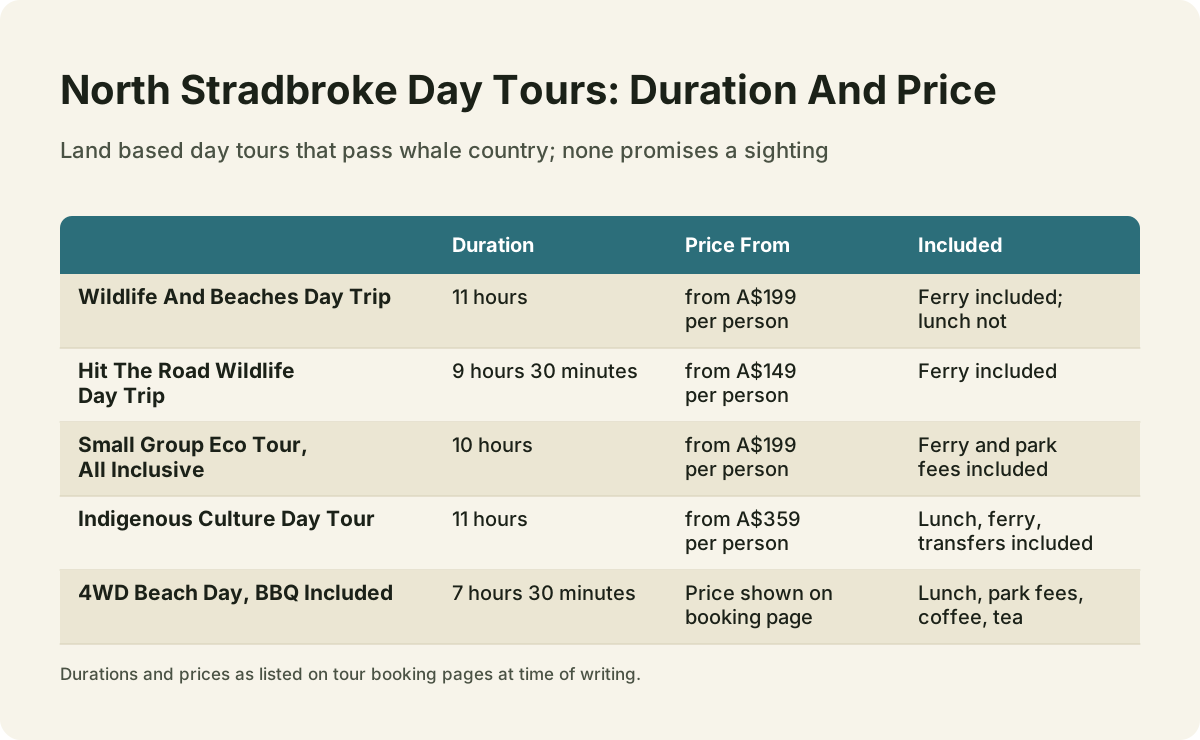
That distinction matters when you read any tour listing. A day tour that mentions whales is a tour of the island whose route crosses the headlands or coastline where whales appear in season; the whales are a possible bonus on a full day out, not the product. The table below shows the five trips most relevant to a whale season visit, with the facts that actually differ between them: format, duration, price where one is listed, and how each one touches whale country.
| Trip | Format | Duration | Price | How it touches whale country |
|---|---|---|---|---|
| Wildlife And Beaches, 11 Hours | Small group day tour, up to 11, ferry included | 11 hours | from A$199 per person | Point Lookout is a named stop; wildlife viewing all day |
| Hit The Road Wildlife Day Trip | Small group wildlife day tour, up to 11, ferry included | 9 hours 30 minutes | from A$149 per person | Built around wildlife; no stop list verified |
| Small Group Eco Tour, All Inclusive | Small group eco tour, ferry and national park fees included | 10 hours | from A$199 per person | Guided North Gorge Walk to Point Lookout; whales listed among animals to look for |
| Indigenous Culture Day, 11 Hours | Cultural day tour with Quandamooka guide, lunch and ferry included | 11 hours | from A$359 per person | North Gorge headland walk; seasonal whales listed on the booking page |
| 4WD Beach Day, BBQ Included | 4WD beach day, up to 10, lunch and park fees included | 7 hours 30 minutes | the price for your date shows on the booking page | Whales June to November listed on the booking page |
Two formats deserve a closer look for a whale season trip. The Small Group Eco Tour, run by Queensland Day Tours at from A$199 per person and rated 4.7 from 294 reviews, has an itinerary that includes a guided hike along the North Gorge headlands to Point Lookout, which puts you physically on the primary whale vantage for part of the day, with Myora Springs, Amity, Cylinder Beach and Frenchmans Beach around it. Hotel pickup is not included; it meets at Brisbane Skytower by CLLIX, 222 Margaret St, and the booking page notes it is not suitable for people with mobility impairments.
The 4WD Beach Day takes a different angle: it is the only 4WD format among the trips here, rated 4.9 from 33 reviews, 7 hours 30 minutes long, with lunch, national park fees, coffee and tea included, and whales June to November listed on the booking page. Straddie Kingfisher Tours runs it with hotel pickup from its listed pickup points at about 7:30 AM, or you can meet at the water taxi terminal in Cleveland. The price for your date shows on the booking page. Cylinder Beach and koala spotting appear on the listing; the 4WD access is what separates it from every other trip here.
The Indigenous Culture Day Tour, at from A$359 per person for 11 hours, is the deepest single day of the lineup: a 90 minute cultural experience with a local Quandamooka guide, Myora Springs (Capembah), the North Gorge headland walk, Brown Lake (Bummiera), and a lunch of a Prawn Shack prawn and avocado roll with a cold drink, with return transfers from designated Brisbane city meeting points and the ferry included. Seasonal whales are listed along the way, and the tour runs on set days, so check the booking page for your dates. Wildlife And Beaches, the related day trip described here, and this one share an operator, Stradbroke Island Tours, as two formats of one service.
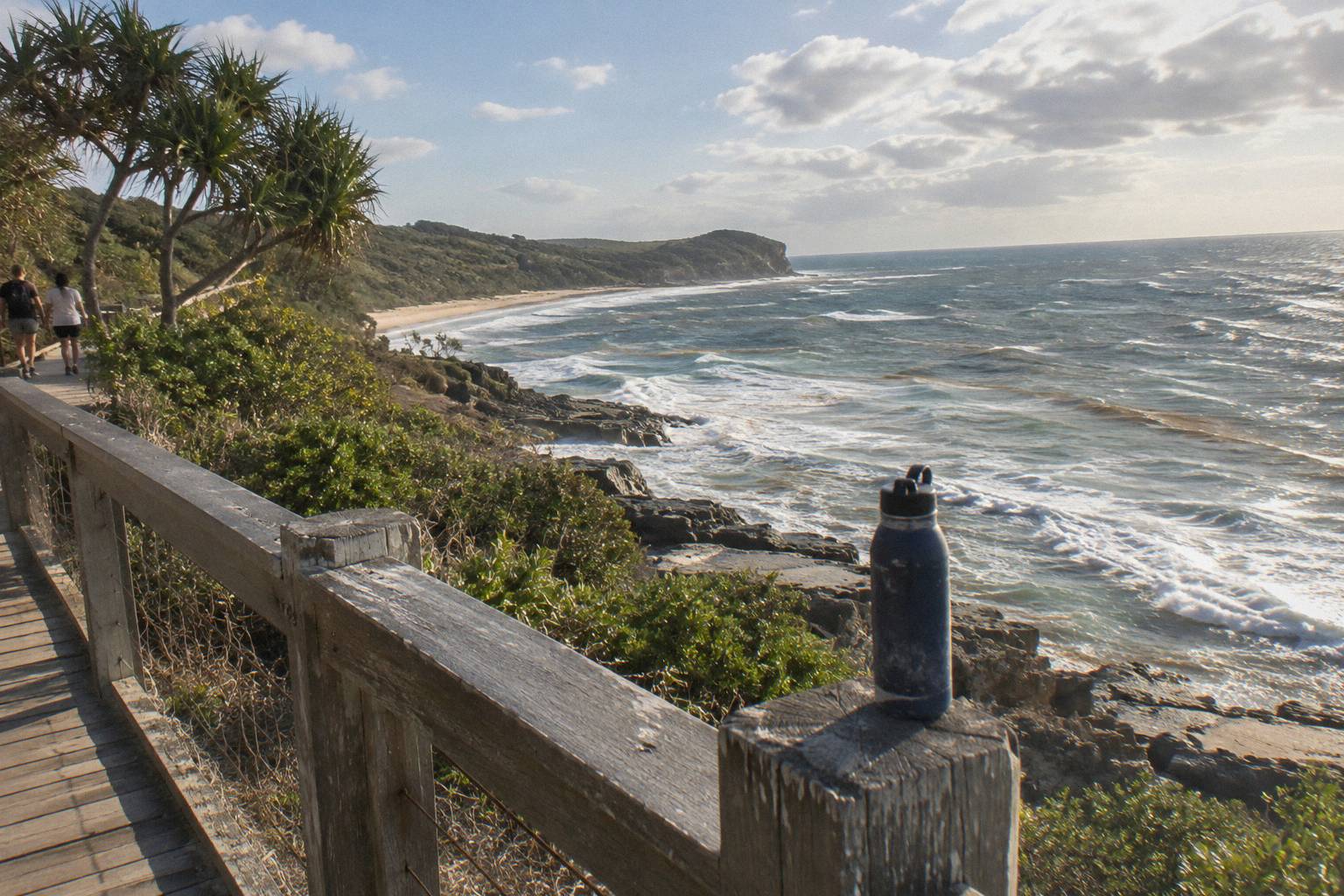
For readers who want the wildlife angle covered in the fullest sense, the Wildlife And Beaches day trip spends 11 hours on the island with koalas and kangaroos with the guide, Point Lookout, beach and swimming stops and beach games, rated 4.9 from 119 reviews at from A$199 per person, with the ferry included and lunch not.
Land Lookout Or Booked Tour: Which Fits A Whale Season Trip?
Go DIY if you want unlimited hours on the headlands at zero tour cost, arriving by ferry and bus; book a tour if you want the ferry, the driving between townships and the day's structure handled. Prices among the whale mentioning tours run from A$149 to A$359 per person where listed, and every trip here offers free cancellation up to 24 hours before start.
The DIY version works well on Straddie because the island is compact and the ferry and bus network covers the three townships. The passenger ferry from Cleveland to Dunwich takes about 25 minutes, tickets stay valid 365 days from purchase and are bought online or at the terminal, not onboard any more. Island buses on routes 880 and 881 link Dunwich, Point Lookout and Amity Point 7 days a week, with the 881 guaranteed to connect with ferries, and drive times between townships run 20 to 25 minutes. The catch is time and mental load: you are managing connections, carrying lunch, and deciding when the headland has given you everything it will.
The booked version trades a per person price for a day that is already solved. The table below compares the two approaches on the things a whale season visitor actually weighs, and a fuller comparison lives in whether a Straddie tour is worth it or going DIY.
| Factor | DIY headland day | Booked day tour |
|---|---|---|
| Time on the headlands | As long as you like; last ferry is yours to catch | Structured stop or guided walk, typically part of the day |
| Cost structure | Ferry fare plus bus fare plus food | One from-price covers ferry and most inclusions, lunch varies |
| Getting there | Passenger ferry from Cleveland, then island bus | Pickup or meeting point in Brisbane, ferry arranged |
| Whale knowledge | You scan and interpret on your own | Guide points out blows and reads the water |
| Flexibility on the day | Change plan instantly | Fixed itinerary, free cancellation up to 24 hours before start |
| Best for | Repeat visitors, photographers, long-stay travellers | First timers, families, anyone without a car in Brisbane |
One budget note that surprises people: the cheapest covered tour is not much more than a self managed day once you add ferry, bus and food, because the Hit The Road Wildlife Day Trip comes in at from A$149 per person for 9 hours 30 minutes, rated 4.9 from 547 reviews, the largest review pool of any trip here, with the return ferry, bottled water and an air conditioned vehicle included. It meets outside the Adina Apartment Hotel Anzac Square in Brisbane at 7:45 AM, and the booking page warns there are two Adina hotels in the city, so check the address. Lunch is not included; the guide recommends takeaway options for a beachfront picnic, or bring your own. It is the trip with the most reviews on the booking pages.
No trip states a return time to Brisbane, but start time plus stated duration gives a fair rough finish: a 7:45 AM start with 9 hours 30 minutes of duration ends roughly mid afternoon to late afternoon depending on traffic, and the 11 hour formats finish later still. Treat that as arithmetic, not an operator promise.
What Else Might You See From The Headlands In Season?
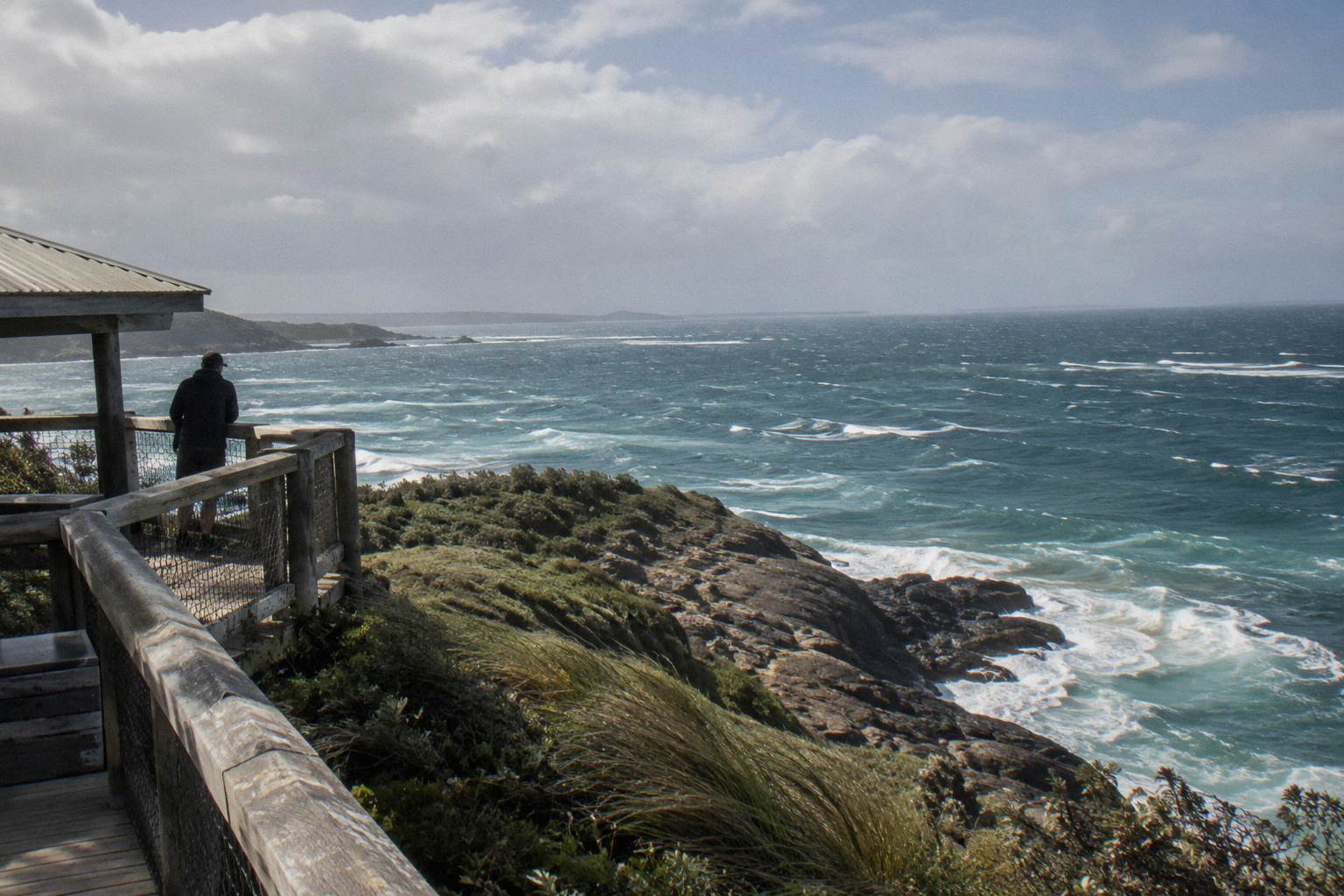
Queensland Parks names turtles, dolphins and manta rays as marine life seen from the Point Lookout headlands and the Gorge, alongside the humpbacks, manta rays and turtles it says are regularly seen from headlands generally. On land, the island hosts a genetically distinct koala population and golden wallabies, a swamp wallaby form found on North and South Stradbroke only. None of it is ever guaranteed.
This is the part of a Straddie whale day that people underestimate. The headlands are a marine viewing platform, not a single species hide. Dolphins work the water below the rocks in pods, turtles surface in the clearer spells, and in the warmer months manta rays glide past in numbers that draw divers from across the country; Moreton Bay Marine Park surrounds the island, and the parks service also names dugong and grey nurse sharks in nearby waters. A morning that produces no whale can still produce all three of the other headliners.
The land side rewards attention too. The koalas on the island are genetically distinct from mainland populations, per Queensland Parks, and several covered tours list koala spotting: the 4WD Beach Day names it, and the Wildlife And Beaches day trip includes koalas and kangaroos with the guide. Golden wallabies exist on North and South Stradbroke and nowhere else. For the full picture of who lives in this water and bush, see the wildlife guide to kangaroos, koalas, turtles and rays, and if dolphins are your target, the calm water chances are laid out in whether dolphins come close at Amity Point.
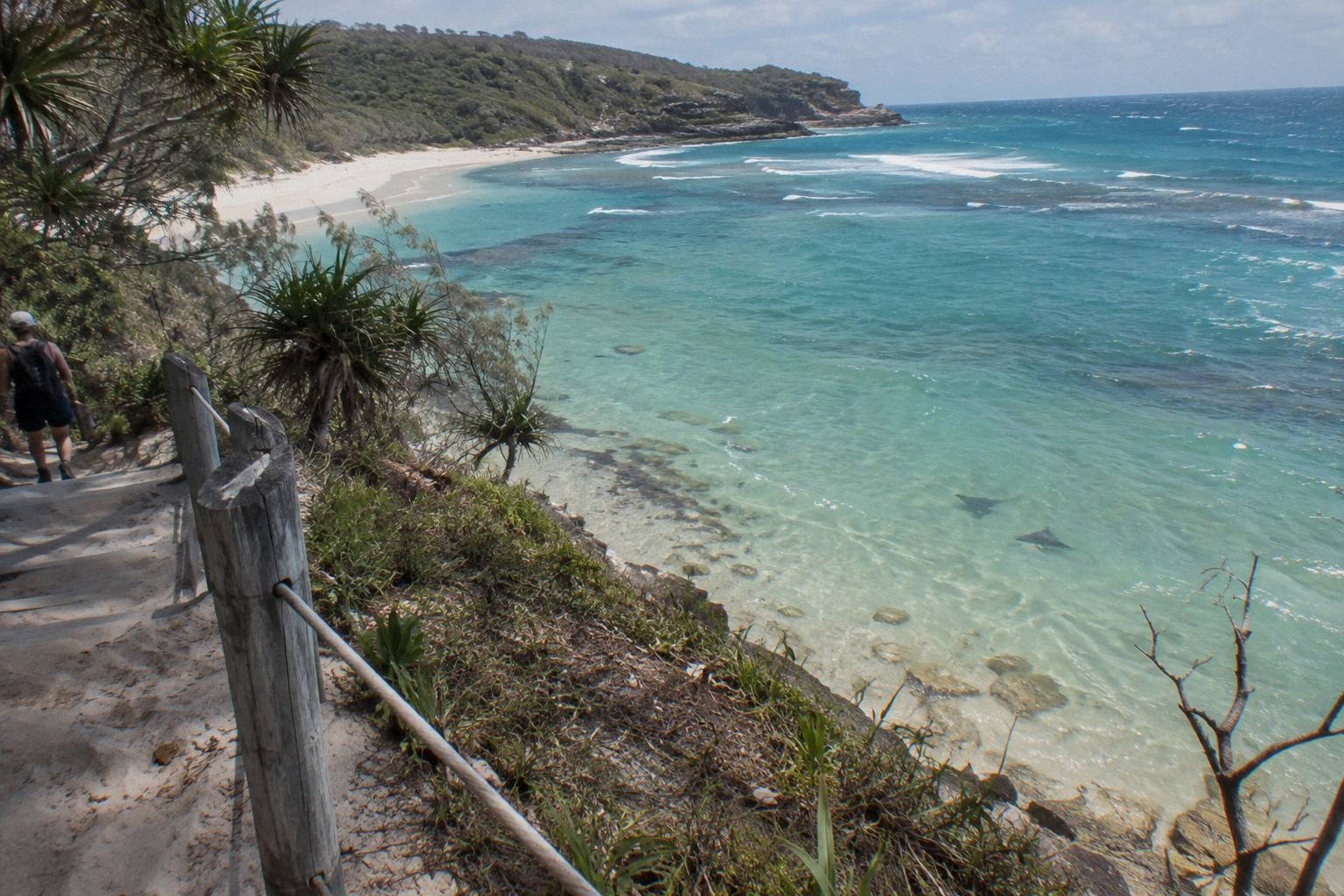
One etiquette point that matters on this island specifically. About 50 per cent of North Stradbroke Island is Naree Budjong Djara National Park, jointly managed by the Quandamooka people and the Queensland Parks and Wildlife Service since 2011, and the park asks visitors to stay on tracks and take rubbish out. Dogs are not permitted in the national park. The cultural depth behind that management, and the tours that share it properly, is covered in the Quandamooka cultural tours guide.
What Is A Realistic Whale Watching Day Like?
A realistic whale day on Straddie is a headland morning of scanning calm water for blows, punctuated by dolphins, turtles and seabirds, with a whale sighting likely but never certain, followed by beaches, lakes or the townships. Conditions shape the day more than luck does: calm seas, morning light and patience beat any particular date inside the June to November season.
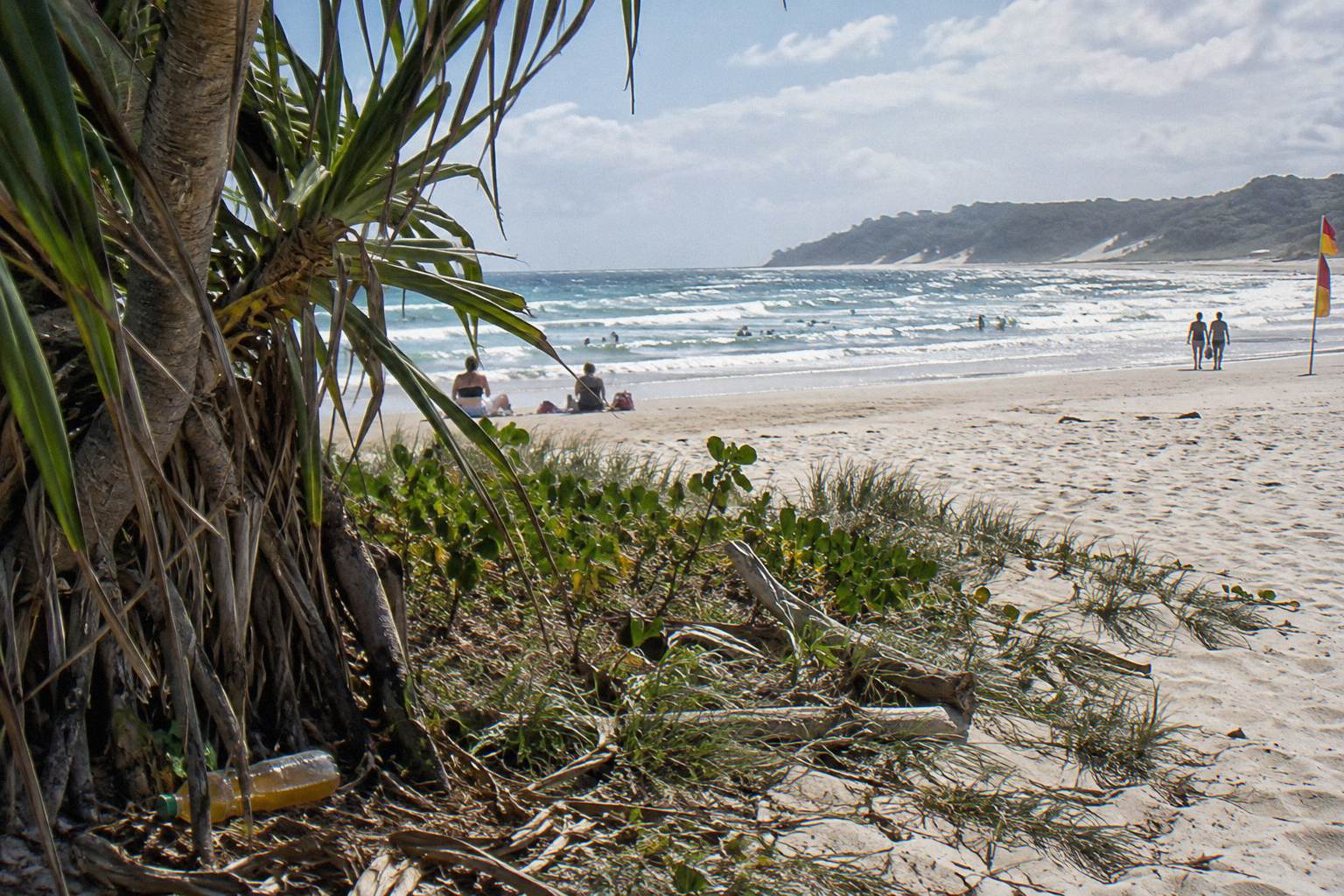
Start with the weather. Bureau of Meteorology averages for Point Lookout, station 040209, show a mean annual maximum of 25.6 °C and mean annual minimum of 18.6 °C, with July's mean maximum at 21.2 °C and January's at 29.6 °C, so whale season is mostly mild rather than cold. Mean annual rainfall is 1,517.7 mm, with September the driest month at 53.7 mm and March the wettest at 179.6 mm. Wind is the factor the averages do not capture: a fresh onshore breeze turns the sea white and hides blows, so a calm June morning can outperform a blustery September one. The best time to visit guide works through the whole seasonal decision.
Pack for standing around outdoors, not for hiking: layers for the wind, a hat you can secure, binoculars, water, sunscreen, and something to do between sightings, because whale watching from land has quiet stretches. If a swim is on the plan, swim between the flags at the patrolled beaches: patrols at Main Beach and Cylinder Beach run weekends and public holidays from September to early May, with school holiday lifeguards at some beaches, and bluebottles and fire jellies occur in Moreton Bay waters, so ask a lifeguard on the day. Do not swim in the deep channel off Amity Point. The full kit list is in what to pack for a Straddie day tour.
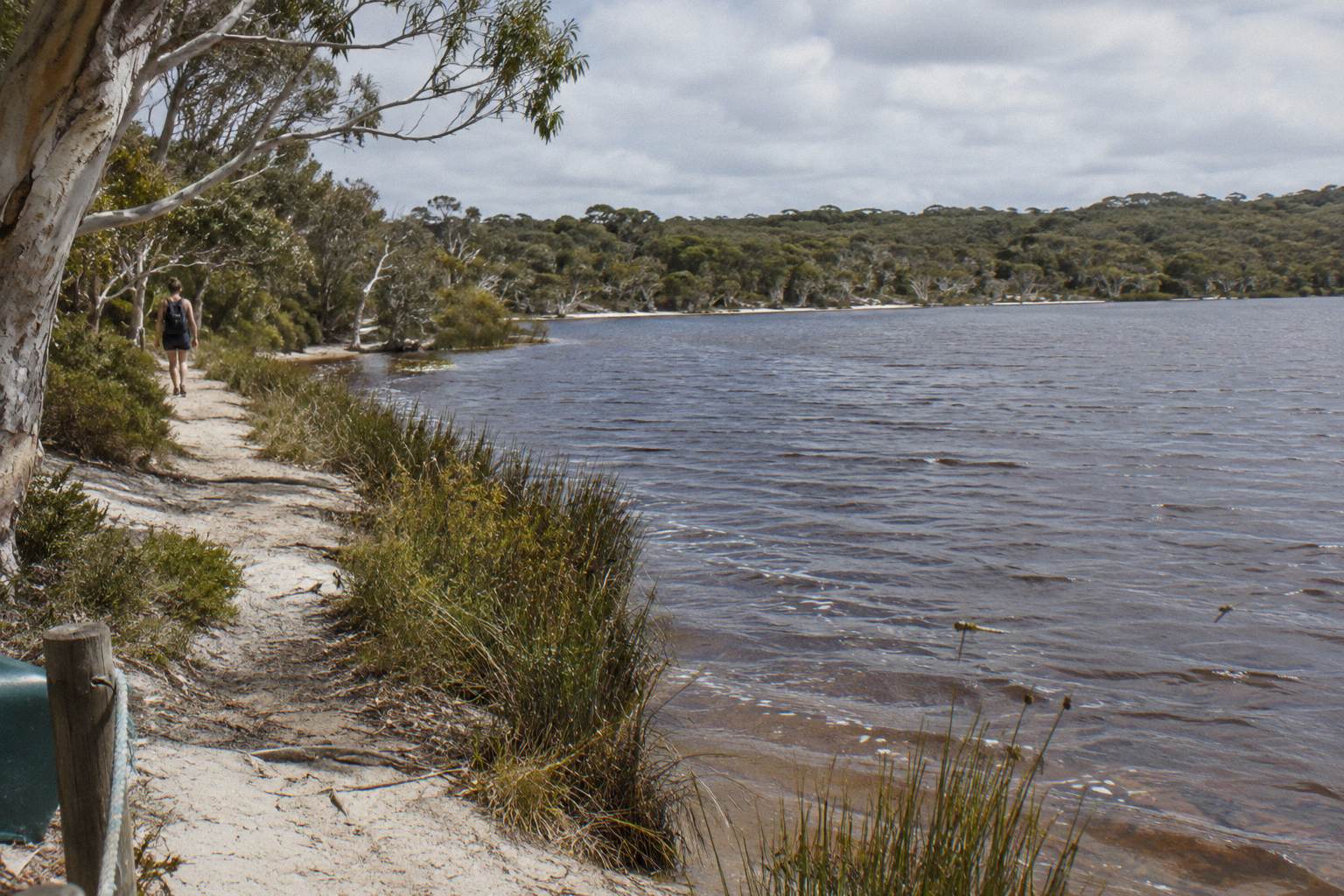
A note on the lakes, because several whale season tours call at them and the guidance is specific. The tours that visit Brown Lake (Bummiera) include the Indigenous Culture Day Tour, and the park's named activities there are walking the fire tracks, bird watching and wildflowers, with picnic and toilet facilities. Queensland Parks says swimming and sunscreen pollute lakes and lagoons, and the Quandamooka people ask visitors not to swim in Kaboora (Blue Lake) at all; the deeper story is in the Blue Lake Kaboora guide. Access tracks to Brown Lake can close temporarily, so check park alerts, and if a lake swim was the plan, redirect to the patrolled beaches instead.
How Do You Get To The Whale Lookouts On The Day?
Take the passenger ferry from Cleveland to Dunwich, about 25 minutes, then island bus route 880 or 881 toward Point Lookout, a 20 to 25 minute ride; or let a booked day tour handle the ferry and the driving. Book the vehicle ferry ahead if bringing a car; parking near the terminals fills fast on weekends and holidays.
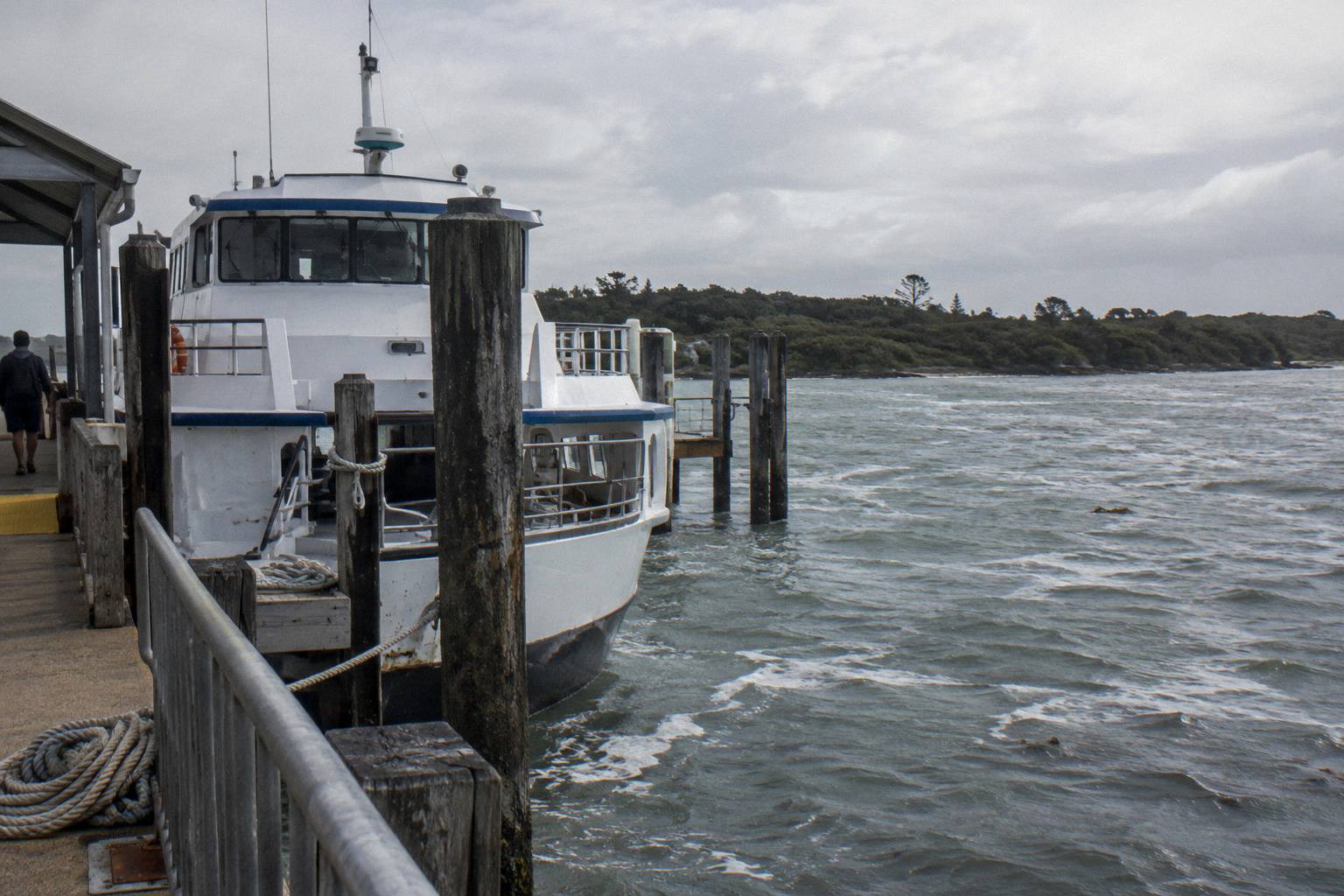
The ferry mechanics are simple once you know them. The passenger ferry from Toondah Harbour in Cleveland runs to Dunwich with no booking for a specific departure: tickets are valid on any service for 365 days from purchase and are bought online or at the terminal, no longer onboard. Arrive 15 to 20 minutes before sailing. The vehicle ferry takes about 45 minutes and must be booked; arrive at least 30 minutes before and follow the blue line to check-in. The alternative water taxi, the Stradbroke Flyer, sails daily, takes about 25 minutes, sells tickets at its Cleveland office or onboard, and runs a free courtesy bus from Cleveland railway station. The complete crossing picture is in the ferry guide and the water taxi comparison.
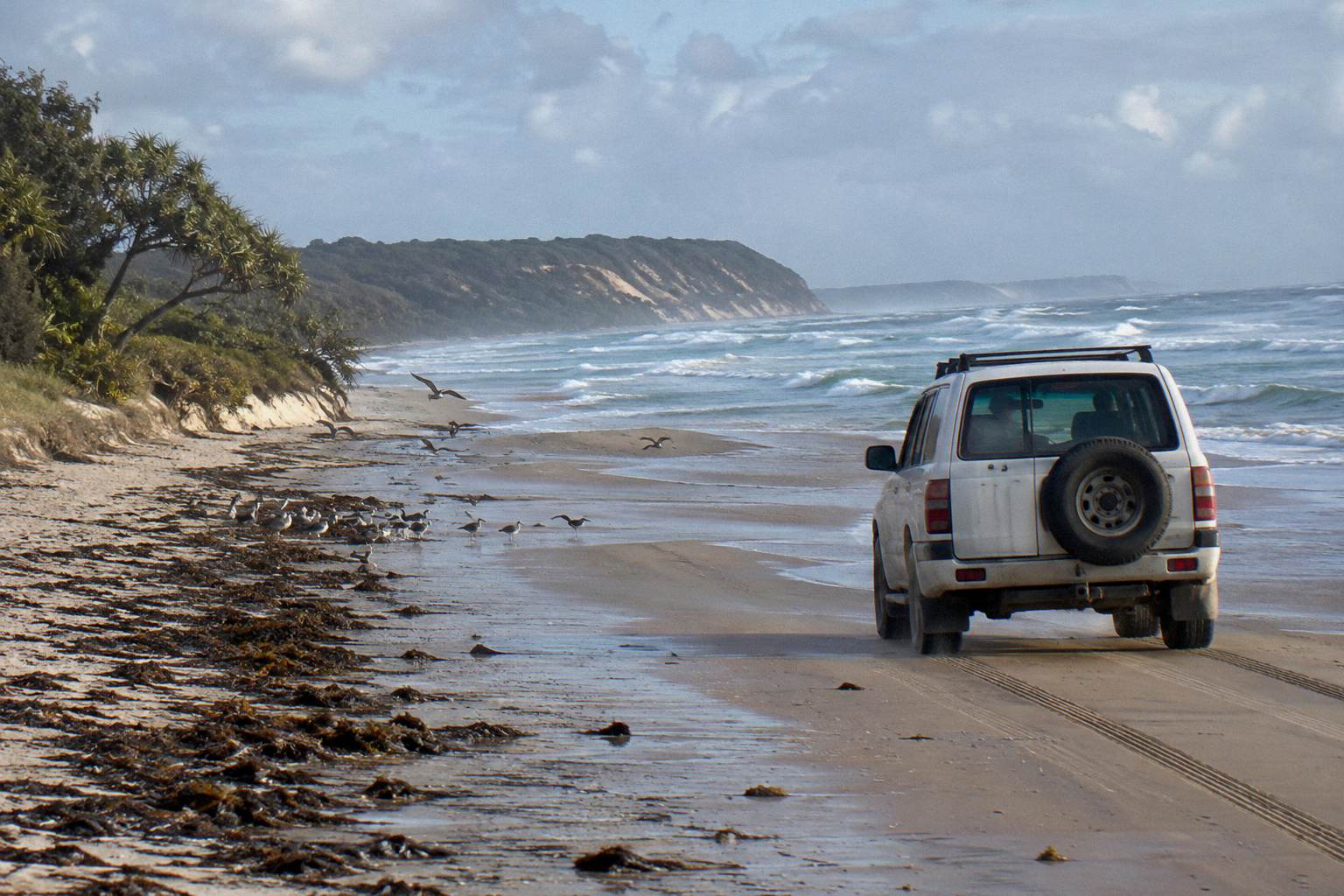
On the island, the buses take paper tickets only: A$0.50 single, A$1.00 daily and A$5.00 weekly, and go cards are not accepted, so carry coins. Route 880 runs Dunwich to Point Lookout via the terminals, and route 881 serves One Mile, QUAMPI and Amity Point, both operating 7 days. If you are touring the island by car instead, the sealed roads between townships need no permit; driving on Flinders Beach or Main Beach requires a suitable 4WD and a vehicle access permit, carried printed before you drive, and the details are in the 4WD beach permit guide. The car free version of all of this is worked through in exploring Straddie without a car.
Planning Checklist For A Whale Season Visit
Whale watching on Straddie rewards a loose plan held firmly. Pick your window inside June to November, weight it toward the calmer, drier late winter and spring weeks if conditions matter most to you, and decide early whether the day is DIY or guided, because the good tour formats on set days fill first. Check the park alerts for the North Gorge Walk closure status, and check the weather for wind rather than rain, since wind is what hides a blow. If you book, every covered trip here carries free cancellation up to 24 hours before start, which makes an early booking nearly risk free: lock the date, watch the forecast, and adjust inside the window if a big blow is coming. North Stradbroke Island Tours exists to make exactly that decision easier.
Whether you go solo to the headlands with a bus ticket and binoculars, or ride over with a guide who reads the water for you, the shape of the experience is the same: a wild coastline, a migration that has been running longer than any tour company, and a chance, never a promise, of watching a humpback pass close to the rocks. That chance, and the dolphins, turtles, mantas, koalas and golden wallabies around it, is what a whale season day on Minjerribah actually sells. These three formats cover it from three angles.
Common Questions About Whale Watching On North Stradbroke Island
When Is Whale Watching Season On North Stradbroke Island?
Humpback whales pass close to the island's coastline from June to November on their annual migration, according to Queensland Parks. Those are the only months to plan around, and within them your best lever is calm weather rather than a specific month.
Can You See Whales From The North Gorge Walk?
Yes, the North Gorge Walk and the Point Lookout headlands are the land vantage points, and Queensland Parks says humpbacks, manta rays and turtles are regularly seen from headlands. The walk is 1.2 km and partly closed, so check park alerts before you go.
Is There A Whale Watching Cruise From North Stradbroke Island?
No. Among the tours here there is no whale watching cruise, boat or kayak trip. Whale watching here means sightings from land, either on your own or on a day tour whose route passes the headlands.
Which Day Tours Mention Whales?
Three covered trips do: the 4WD Beach Day lists whales June to November, the Small Group Eco Tour lists whales among the marine animals to look for, and the Indigenous Culture Day Tour lists seasonal whales. None promises a sighting.
Are Whale Sightings Guaranteed On A Straddie Day Tour?
No. Sightings in season are likely but never certain, and tours that mention whales present them as part of a full island day with wildlife, beaches and cultural stops around them.